PangeaSeed Ocean Conservation: The Great Unifier
- Introduction by Riley Bray
- Interview by Sawa
- Published:
- In Features
PangeaSeed is a uniquely modern art and activism organization dedicated to the mission of ocean conservation and stewardship. Leveraging the emotional impact of visual art to bridge the science of ocean conservation and the urgency of action, PangeaSeed works with a diverse group of artists, scientists and community members. Their work is intended to engage and inspire, moving viewers past the fear and helplessness often associated with the environmental crisis we collectively face. Instead, they offer a digestible understanding of the problem and its solutions, with a personal connection to our world’s most precious resource — our oceans. Their commitment to optimism, beauty, community and action continues the long tradition of art and activism rising to meet humanity’s existential crises.
Sawa: Why is there a need for a foundation like PangeaSeed, and what motivated you to start it?
Tré Packard: My background is in environmental documentation. I was living overseas for several years documenting illegal wildlife trade, mainly focusing on marine animals. Doing that over the course of several years is quite heavy on the soul. I was living in Japan at the time and using that as a springboard to travel through Asia and document different ports that were landing illegal wildlife. In 2009 I uncovered the largest industrial shark fitting operation in Asia.
That was a big turning point for me. I wanted to do more aside from photography in terms of telling the story. I understood the power of an image and the impact that it can have, but at the same time you need to give people hope. I grew up in a family of artists. My mom was an artist, an art teacher. My grandfather was a musician. We were always encouraged to use creativity growing up, to problem solve. And as a foreigner in a foreign country, it’s really challenging to tell people to change cultural habits. But I felt that art could help tell this story and shine a light on pressing environmental issues impacting the oceans, on the animals that maybe a lot of people don’t care about and maybe see more as a food source versus an important part of an ecosystem. At that time, I was collecting prints and small originals from artists that I liked.
I decided to create an art exhibition that told the story of what was happening to oceans. At that time in particular, I was focusing on sharks and I started reaching out to different artists that I was collecting. And the response was very positive.
That was kind of a gateway drug for me in terms of falling in love with art. For me, growing up skateboards and surfboards were these canvases of just incredible artwork. That sparked my imagination about what imagery can do. Being able to carry around a Tommy Guerrero board or a Mark Gonzalez board, those things were really powerful as a kid. That inspired me, and I incorporated film and art and music into this event and just kind of threw the kitchen sink at it and put it out there and people responded to it.
We managed to sell some art and raise some funds. For me that was a light bulb moment — people are responding to this and art can be a tool to help give the oceans a voice. And at that time, conservation was very, very different from what it is right now. We didn’t have Instagram or any other platforms to get these messages out. At that time, conservation was either kind of conservative or militant, and both of those avenues didn’t really work for me. I wanted to celebrate the oceans and show these animals and these ecosystems for what they’re worth. Spotlight them and show the beauty and the plight in a creative way.
And it just kind of snowballed. From there we got offers to bring it to different pockets of the world. We incorporated the organization as a 501C3, and I’m happy to say we’ve been going strong ever since. So this is year 14 of it being full-time. It’s amazing to see how a passion project can turn into something like this. It’s something that we’re incredibly proud of.
It’s great what you are doing. And I appreciate the artists that you are curating. It’s not a craft fair painting of a dolphin jumping over a pearl or something. It is prolific contemporary artists that are using their poignant voice to interpret the message in different ways.
That’s something that to this day keeps the fire lit, working with a new artist and having that ability to scout and look at an artist’s work that’s gonna be able to do something that I’ve never seen, in terms of communicating ocean science or specific issues.
What are some of the crises you’re trying to address?
Mass extinction. We’re losing species at a rate faster than has ever been recorded in human history. Oceans are the life support system of the planet. Without healthy oceans, life on land is impossible. So no matter where you are in the world, no matter what you do, your daily choices, your consumption habits have a major impact. Something that we do very well as a species is disconnect ourselves from nature, or attempt to create artificial environments. All drains lead to the oceans. Every time we go to the store, whatever we’re buying, that’s a vote for either sustainability or death and destruction.
So the power is in our hands, especially in challenging times like this where things are so polarized and disorganized. It’s important to have that north star, and remember that our choices do make a difference. Every second breath we take comes from the oceans supply, which controls weather patterns as well. If oceans aren’t healthy, nothing on the planet’s gonna be healthy. So that’s kind of the key takeaway.
“Being able to carry around a Tommy Guerrero board or a Mark Gonzalez board, those things were really powerful as a kid. That inspired me, and I incorporated film and art and music into this event and just kind of threw the kitchen sink at it and put it out there and people responded to it.”
Let’s get into the art. PangeSeed breeds collaborations that can help elevate, amplify and communicate a message. How is art being used as a language?
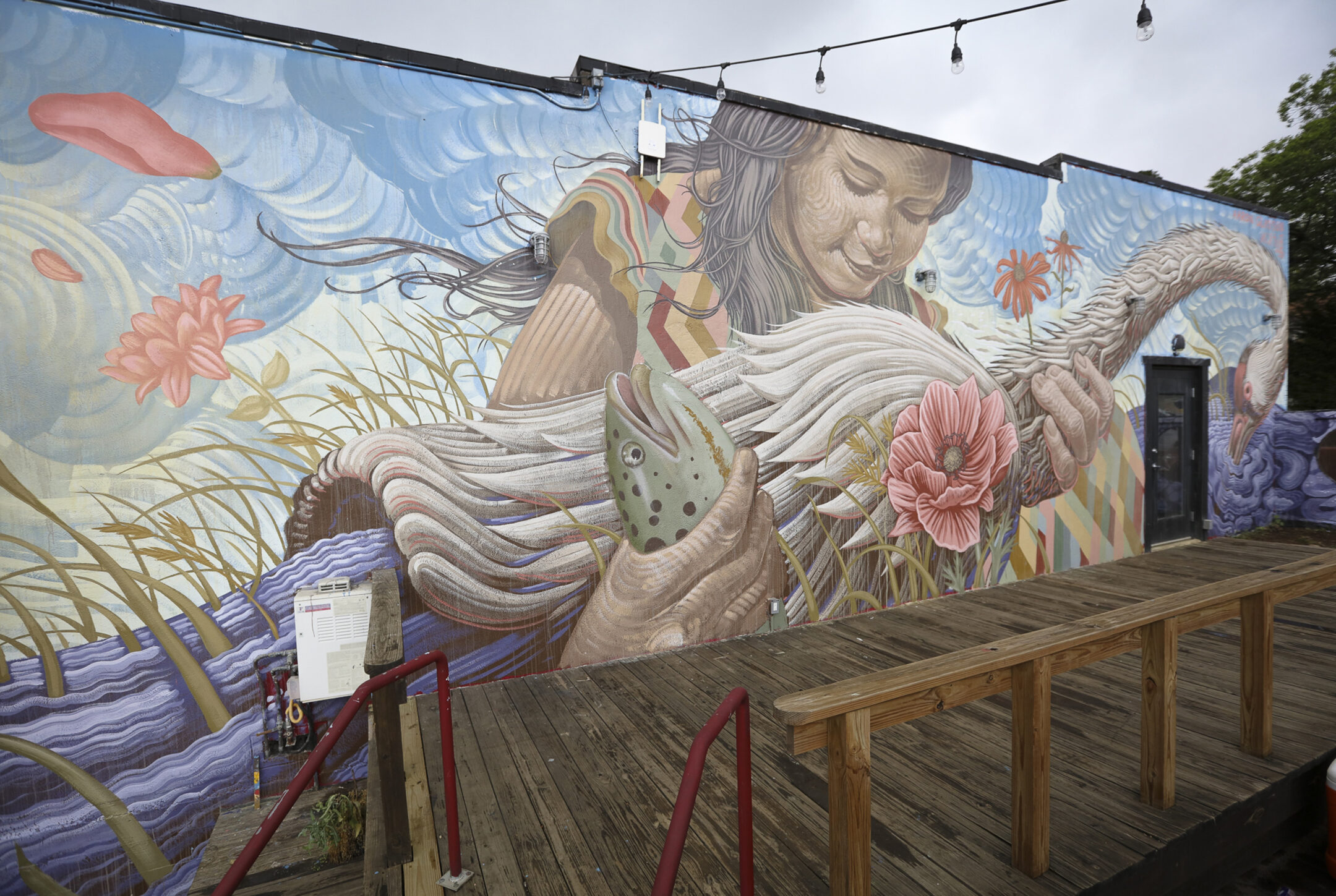
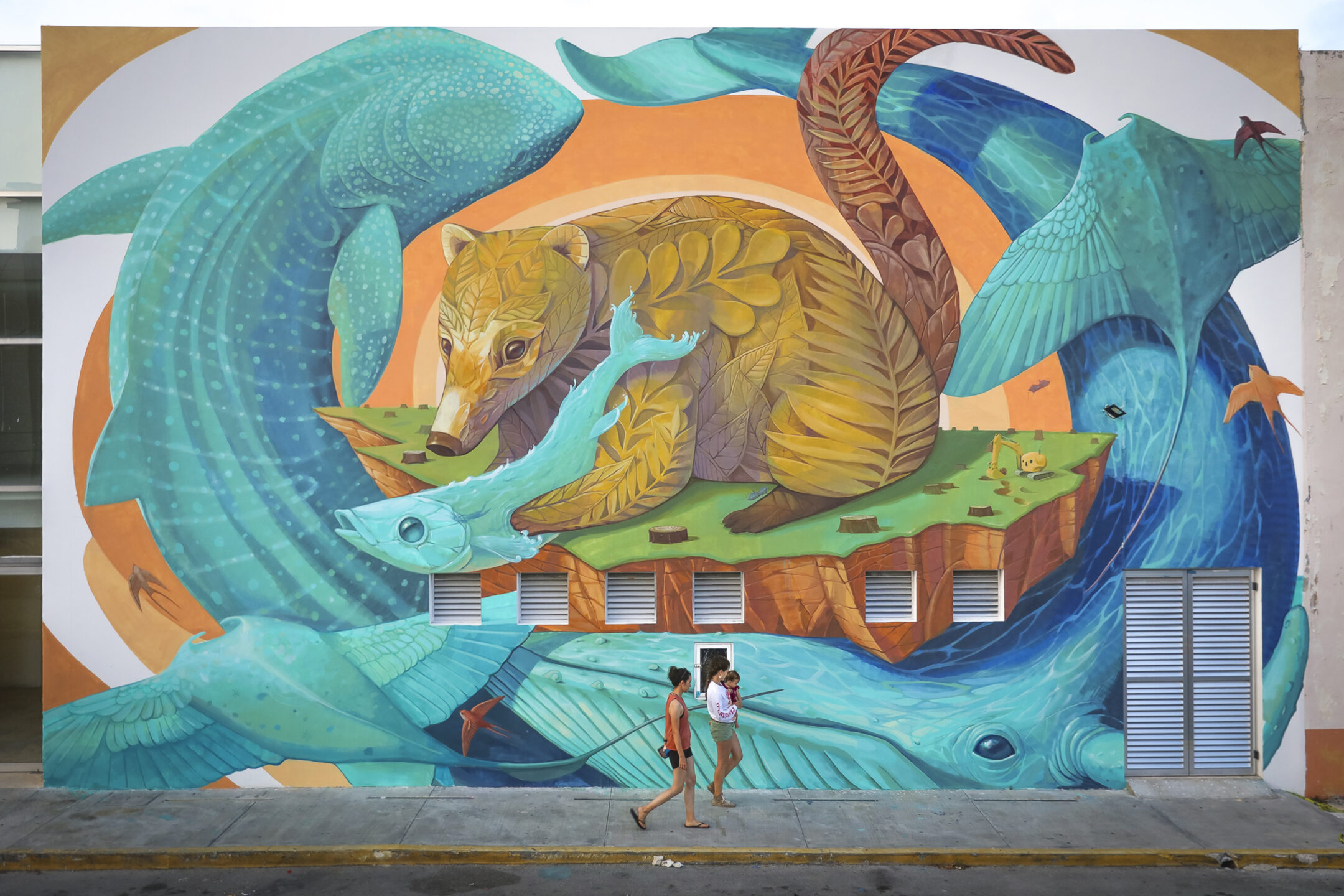
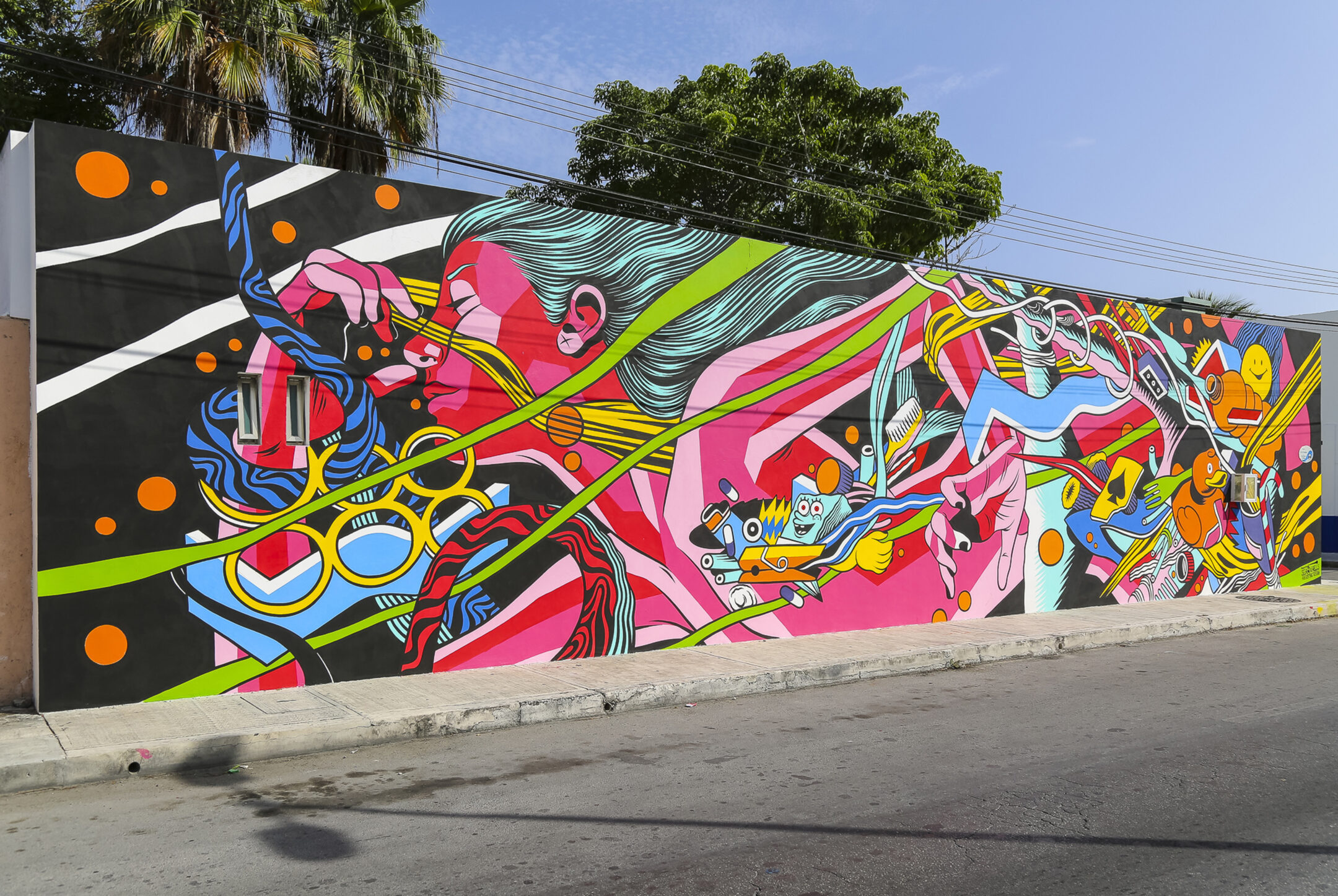
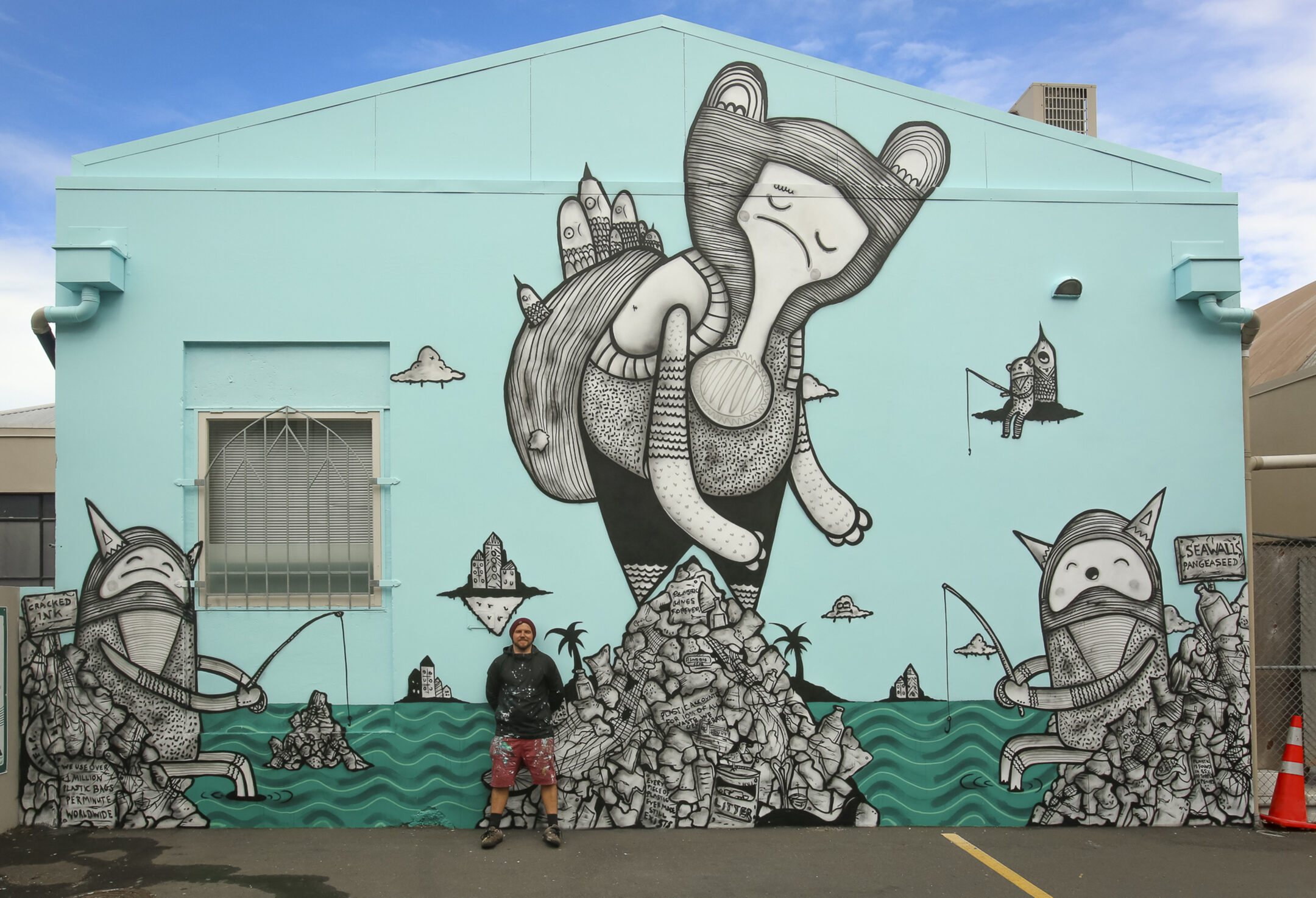
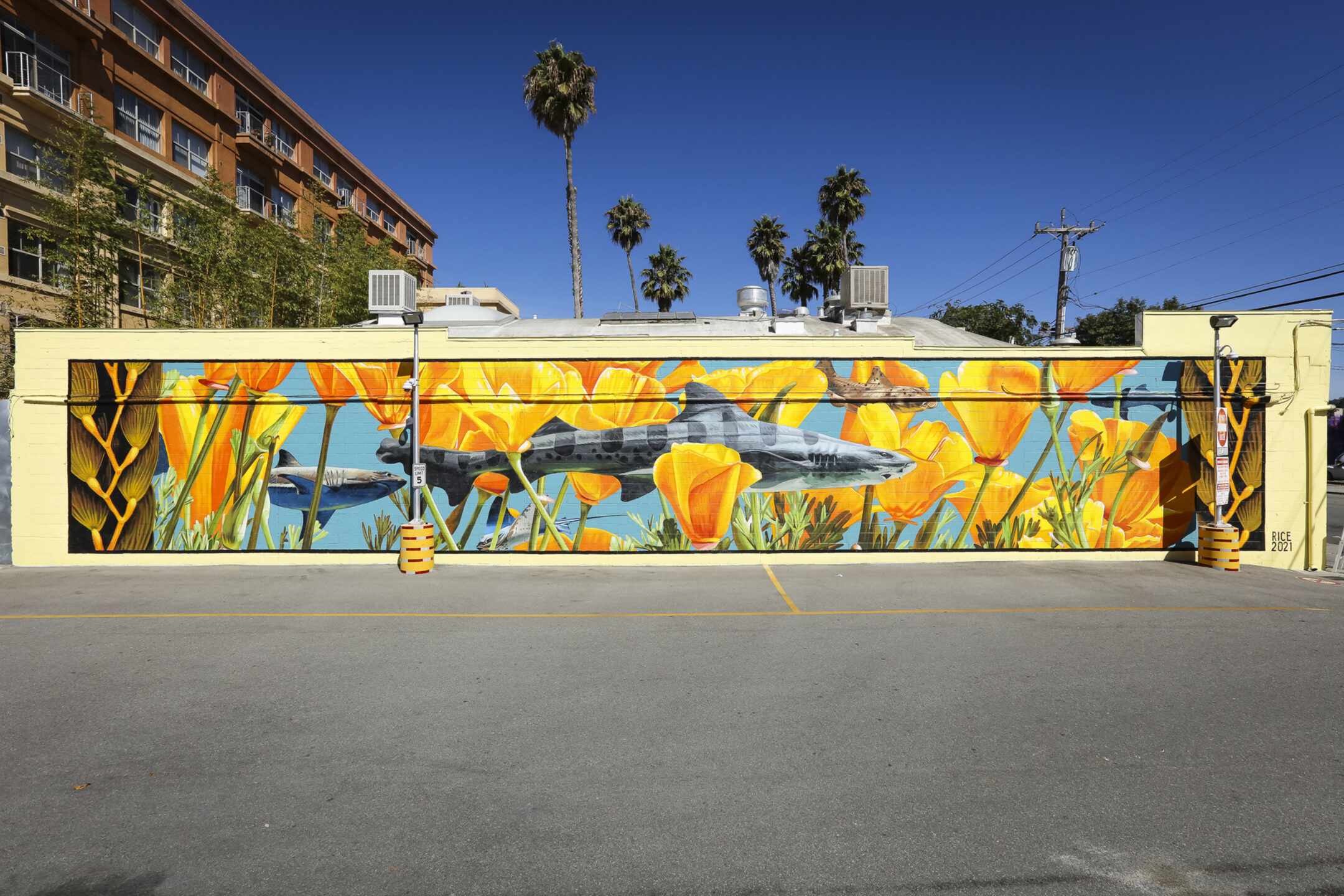
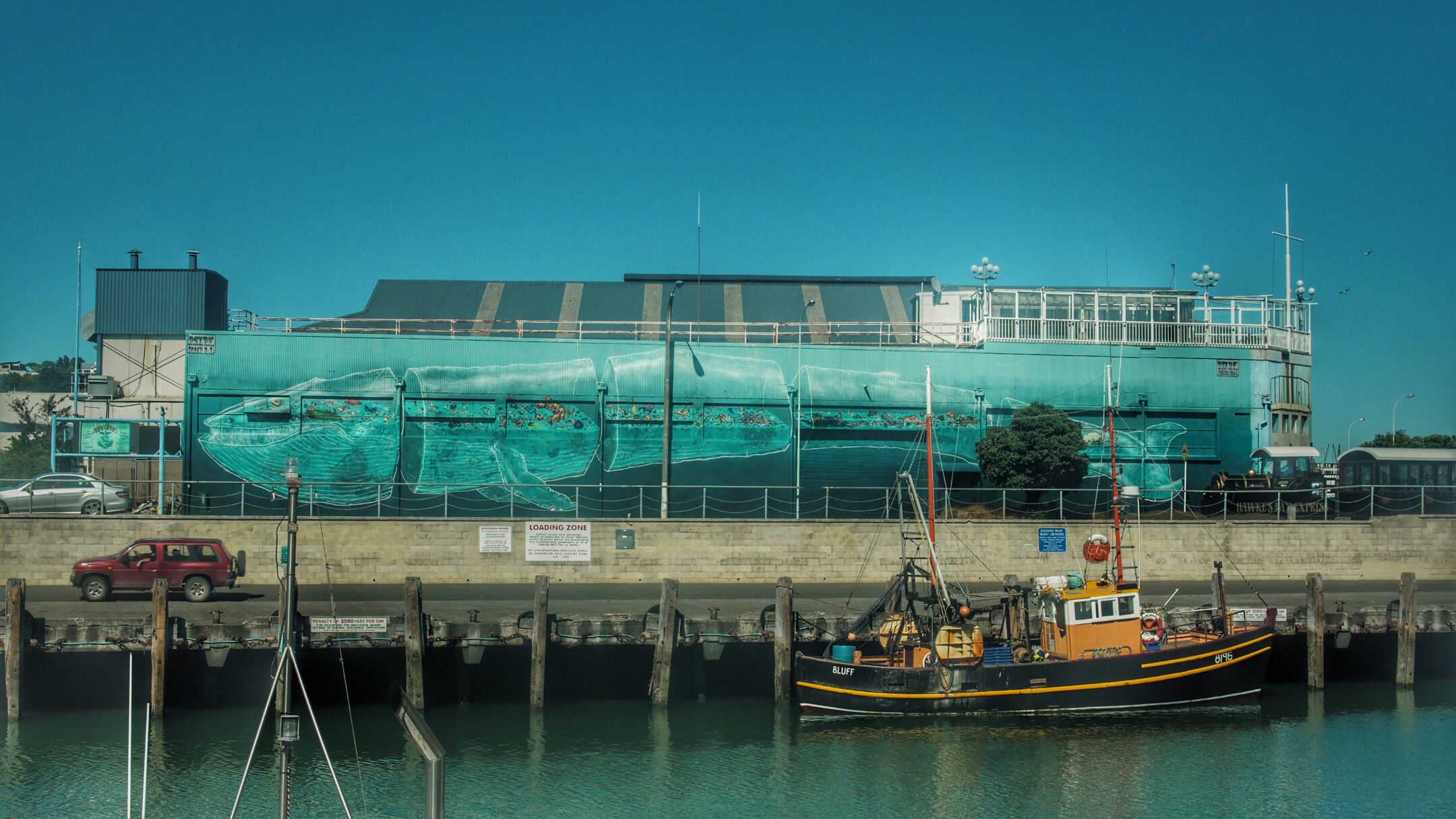
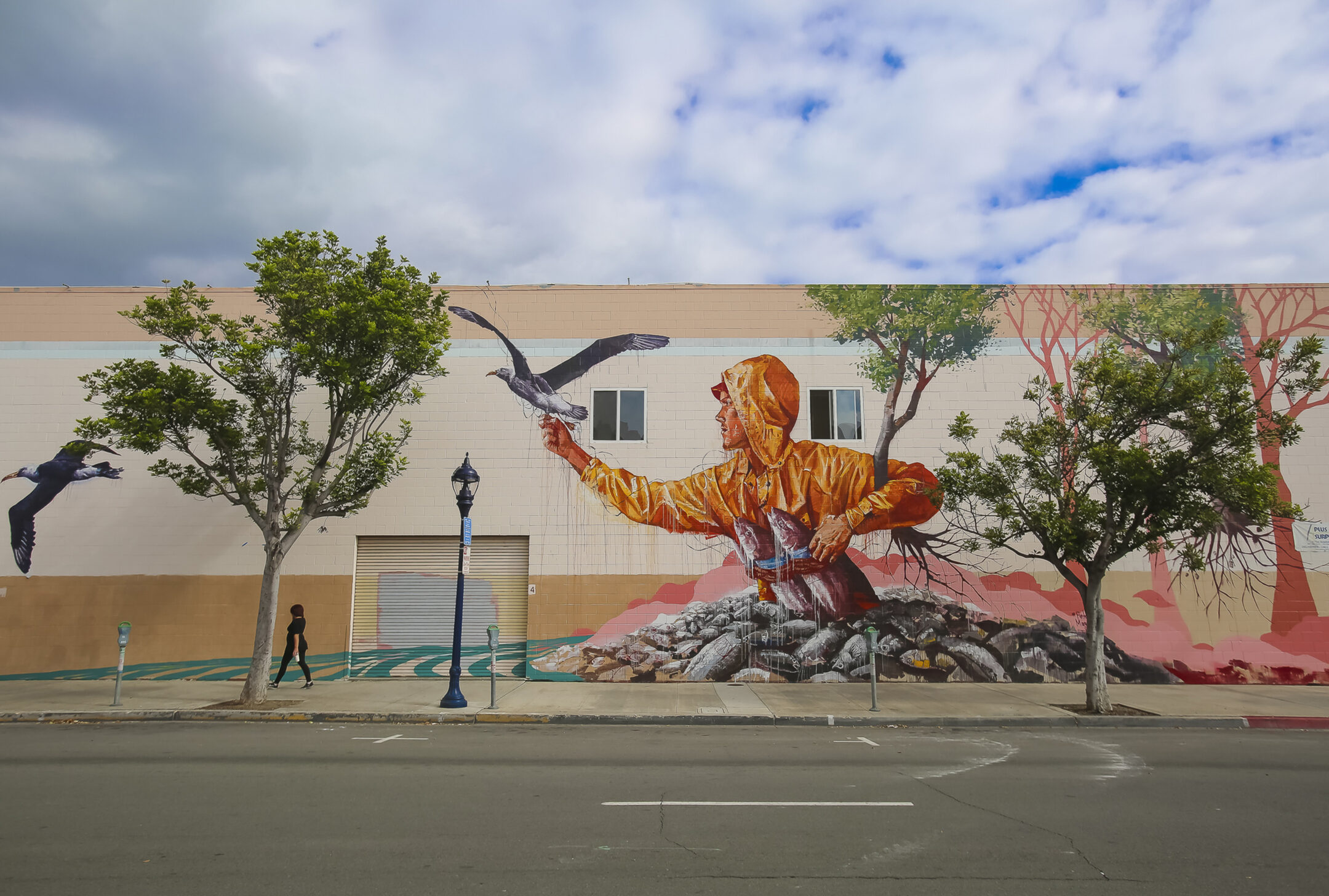
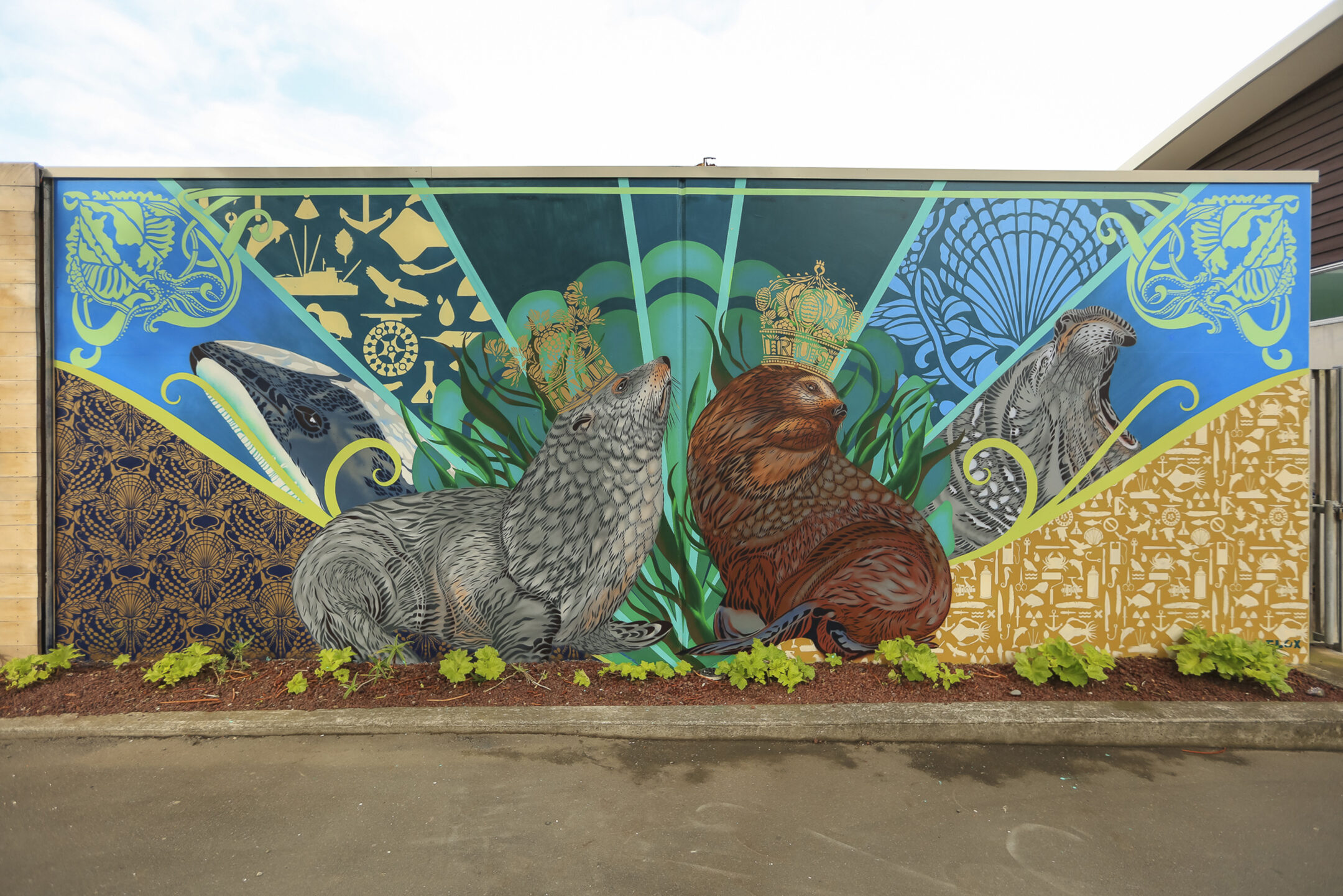
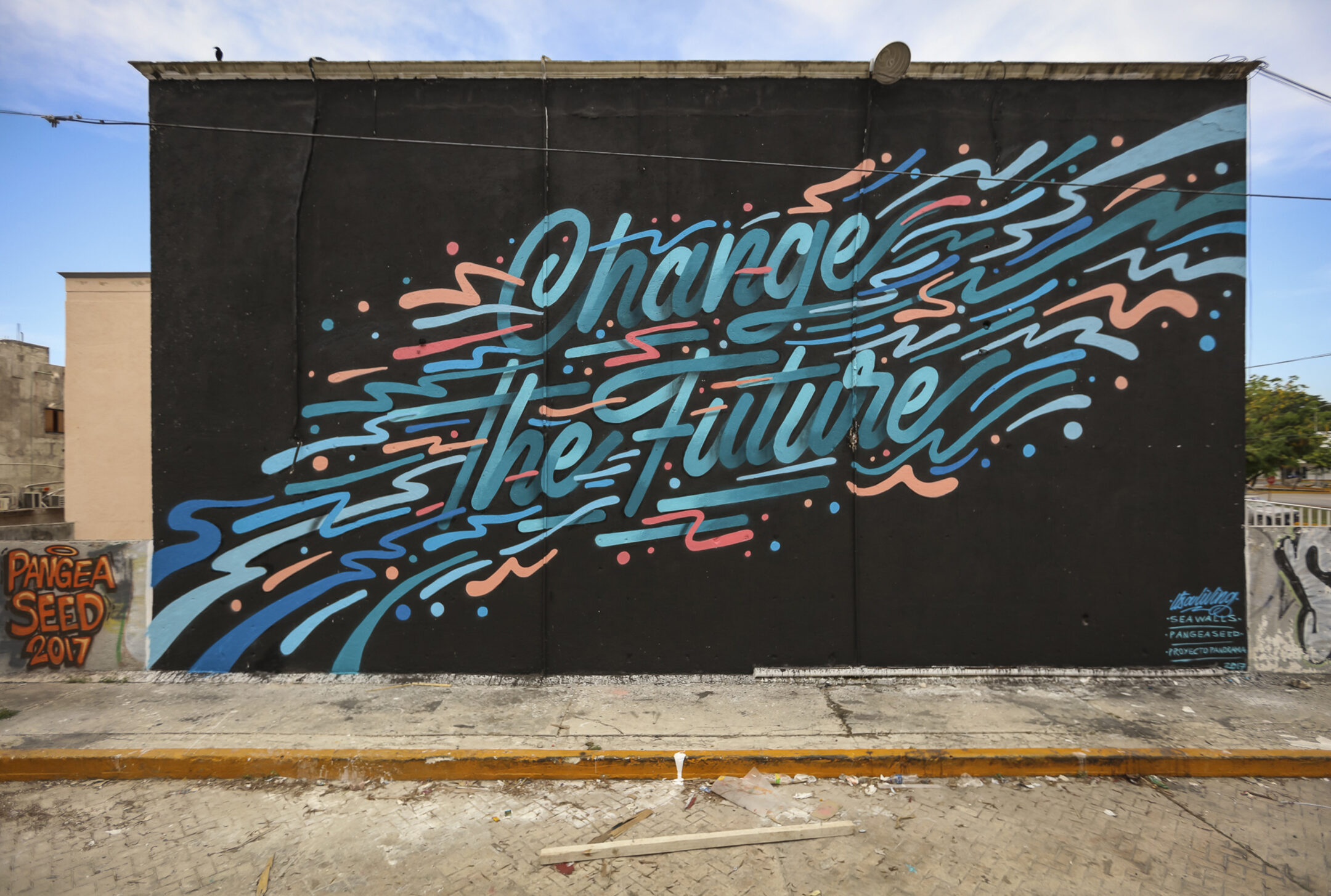
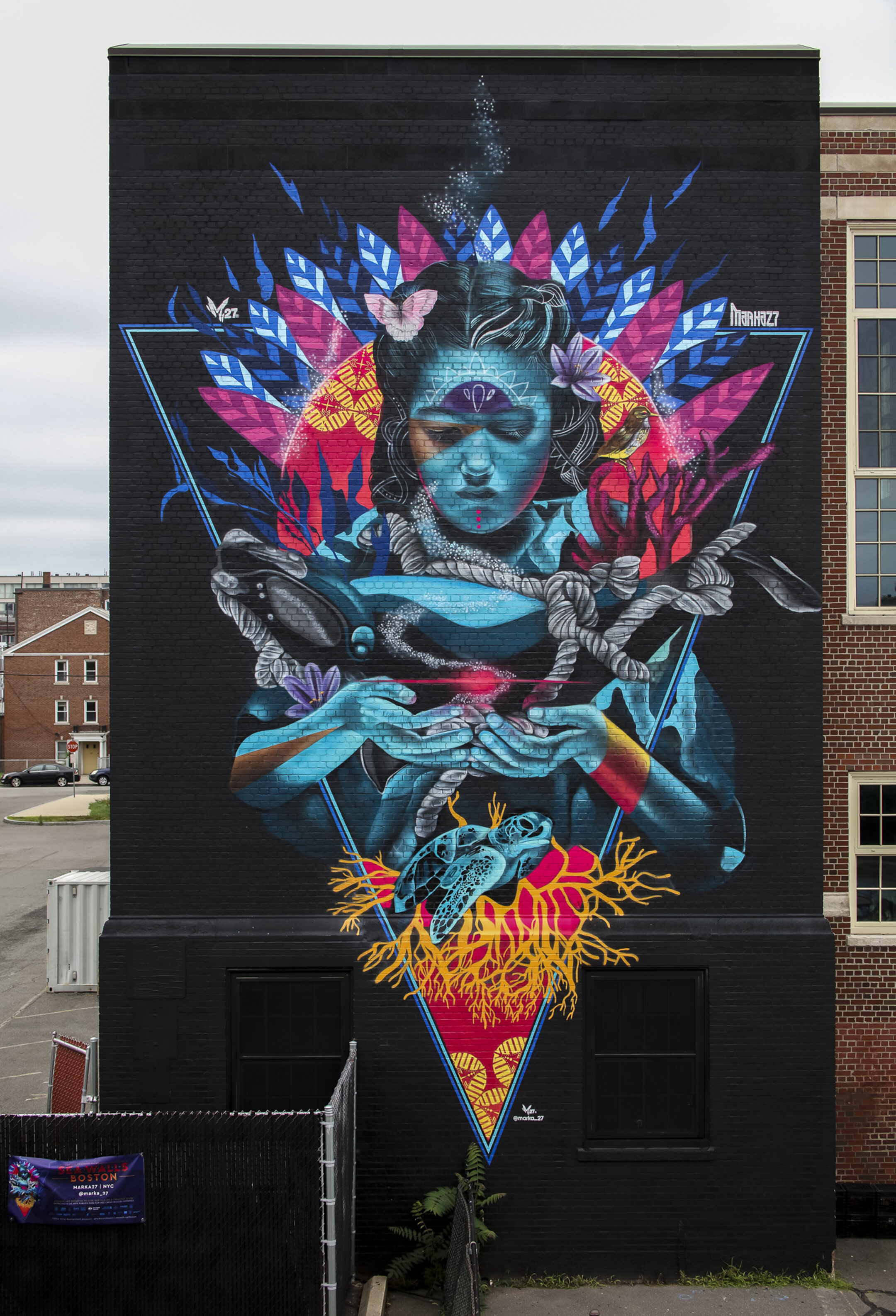
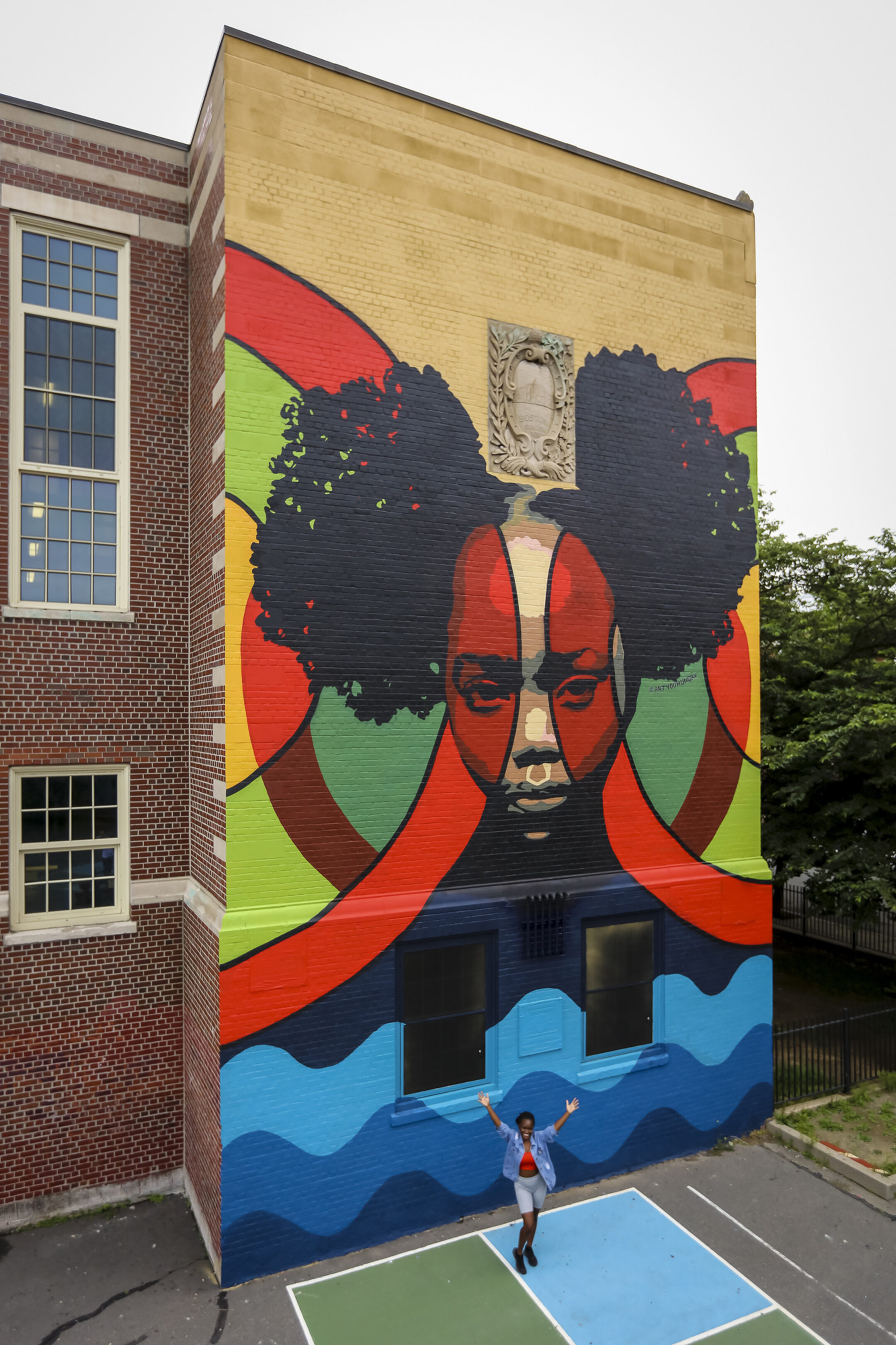
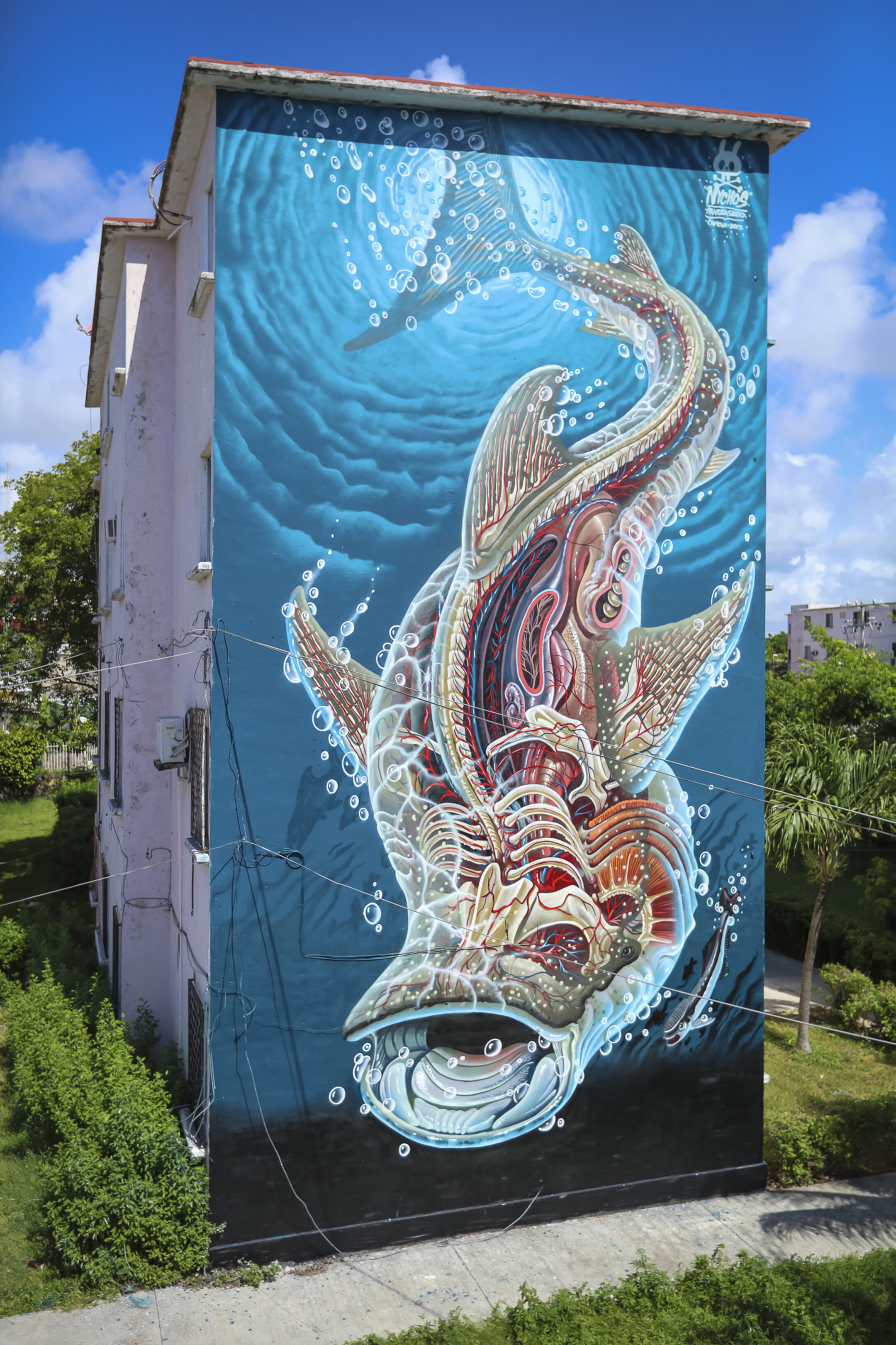
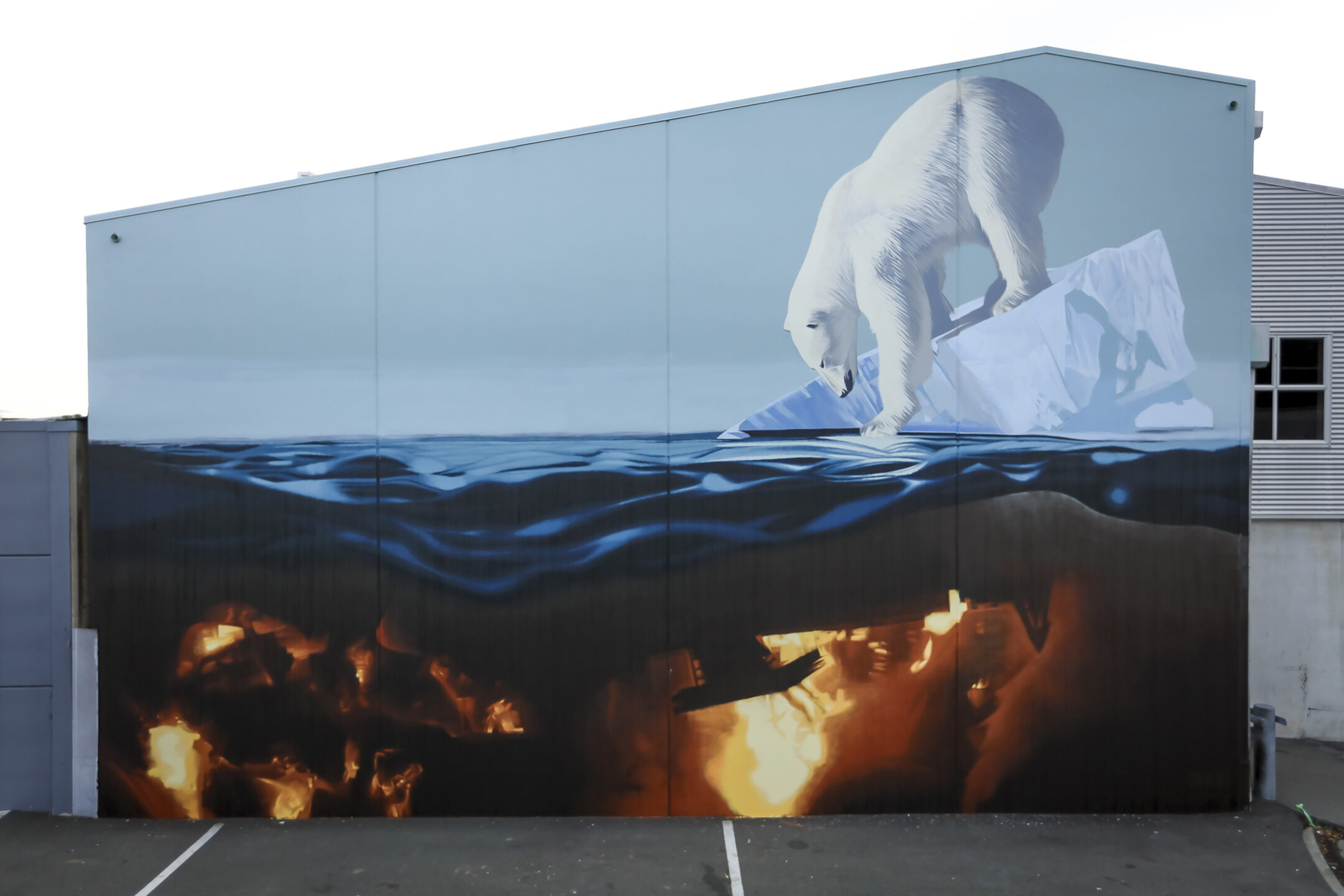
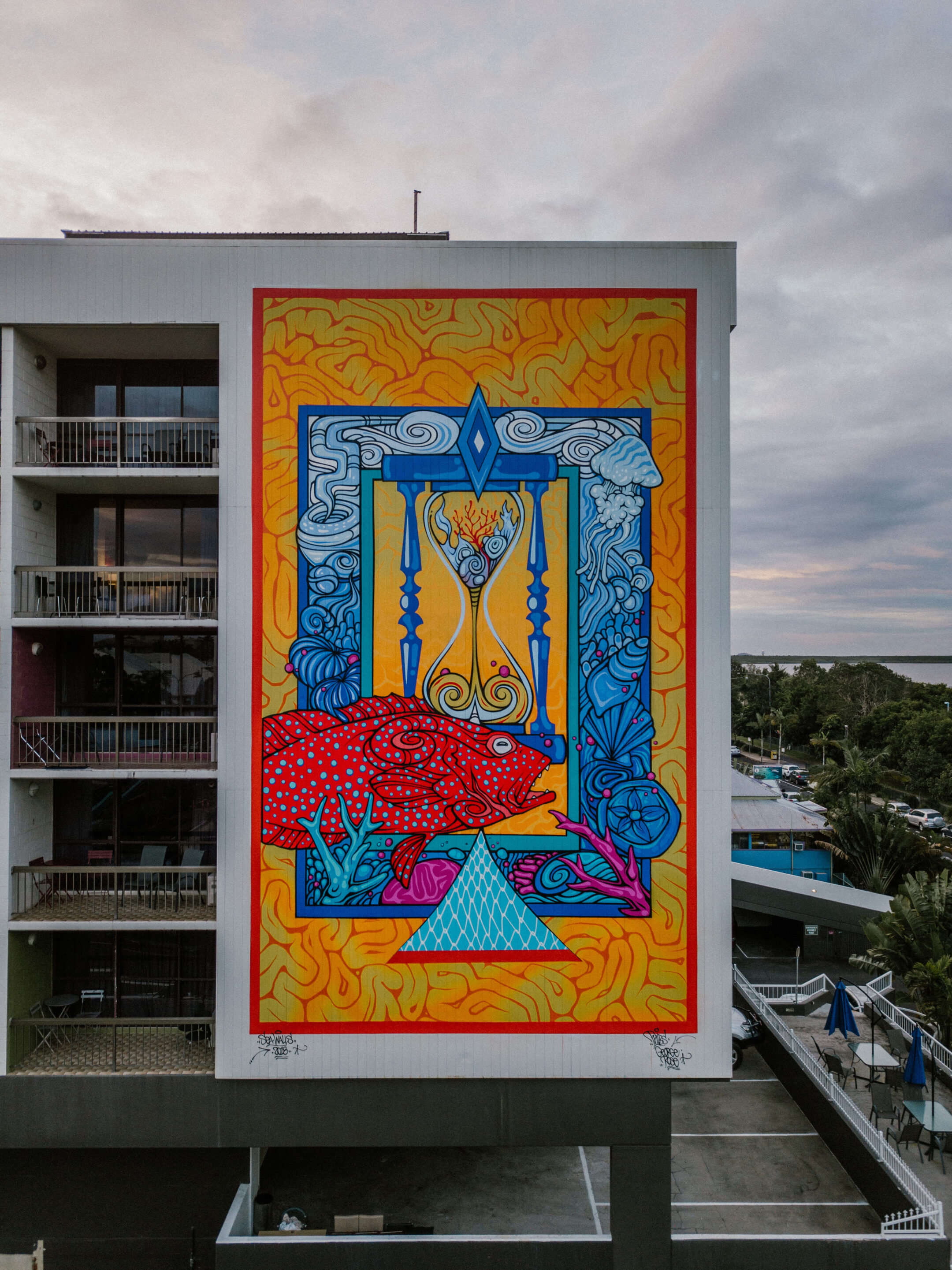
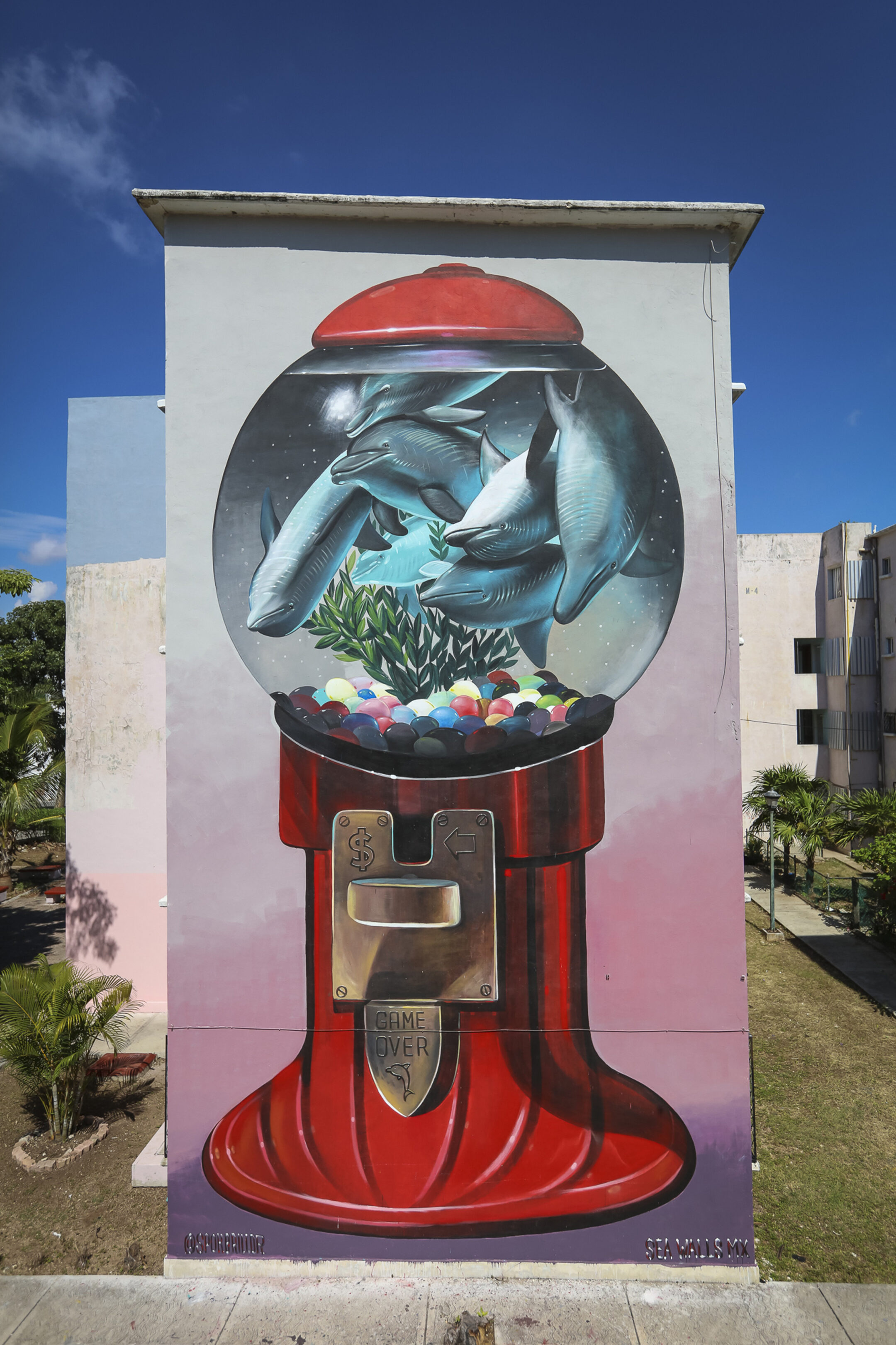
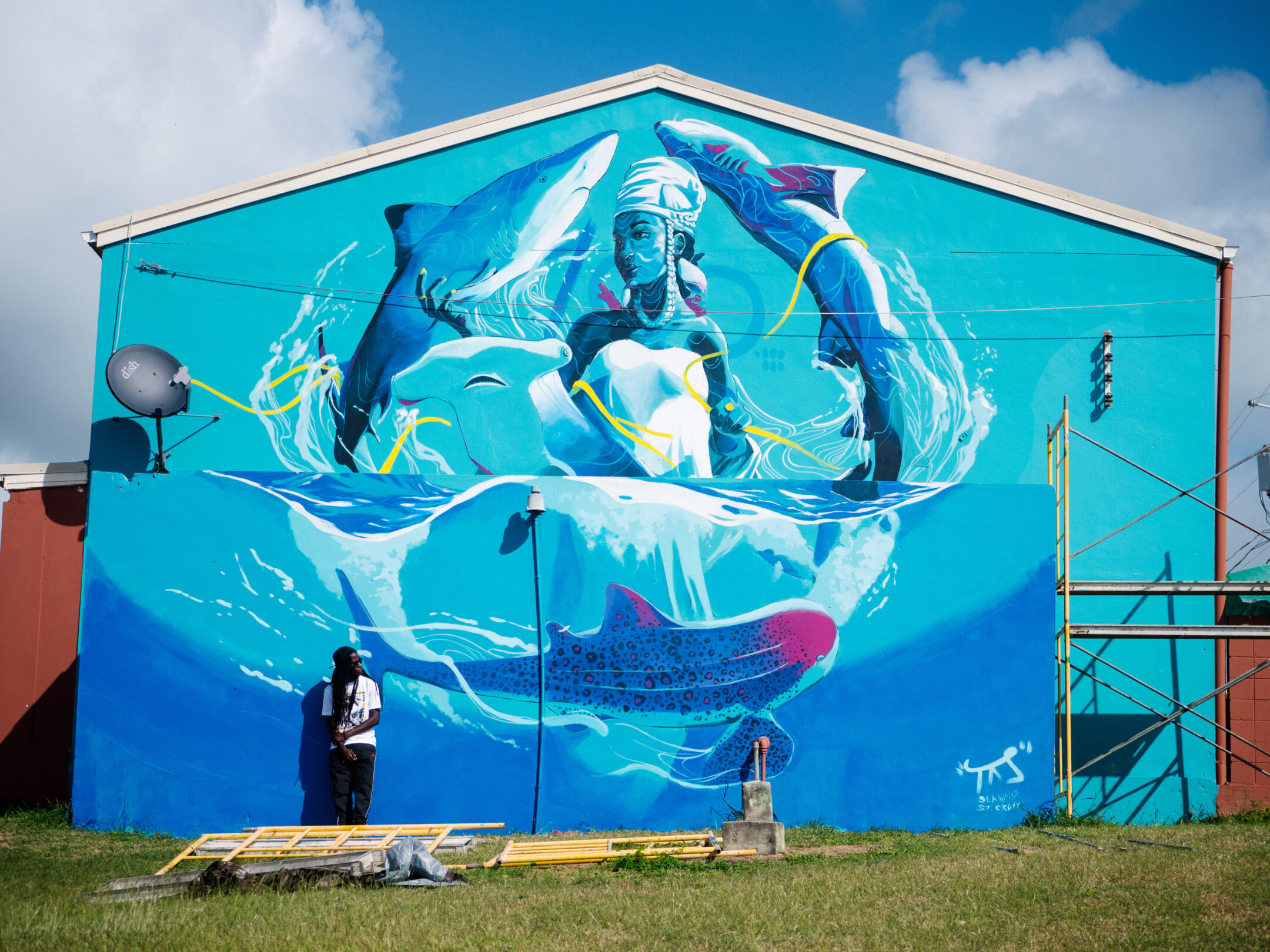
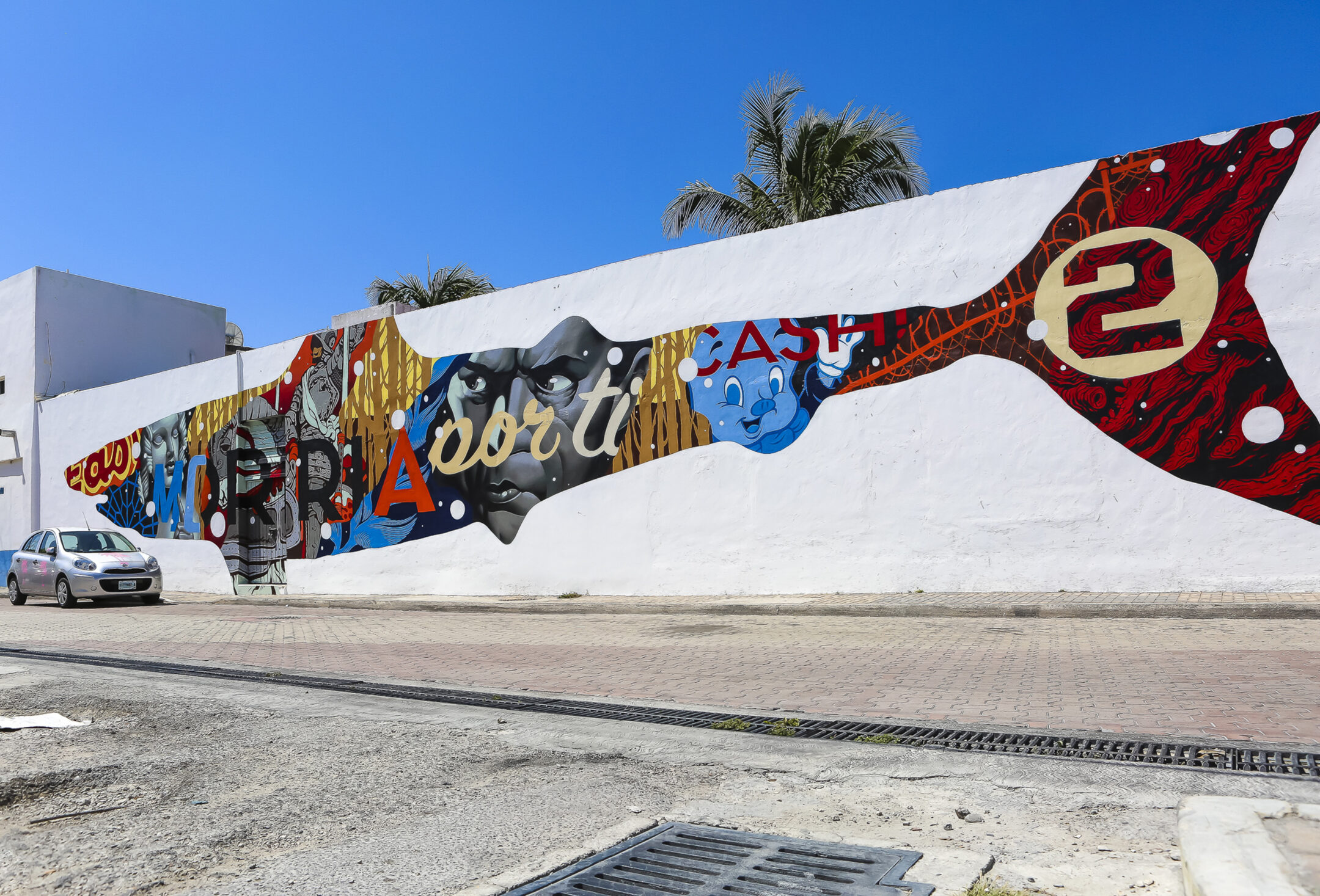
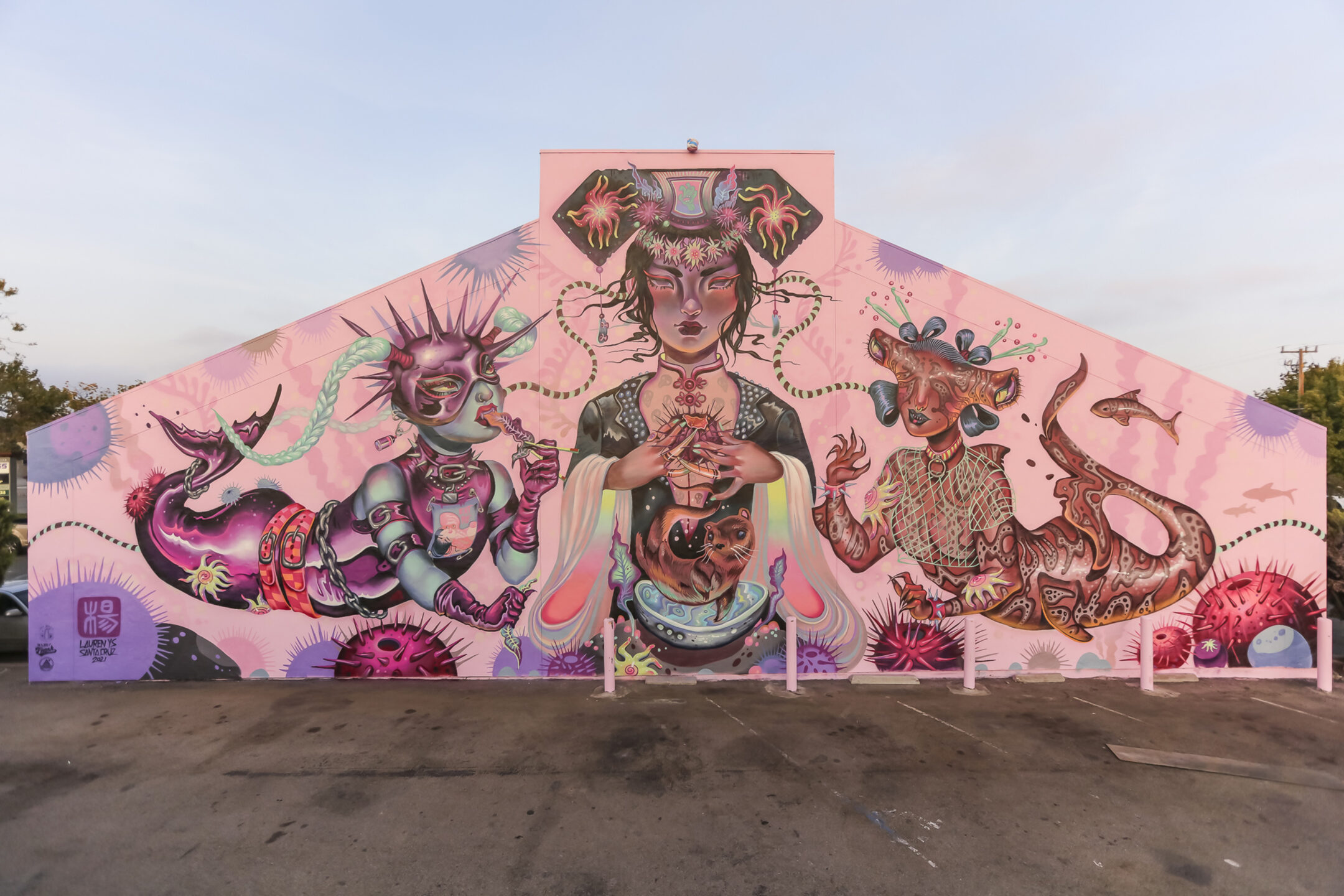
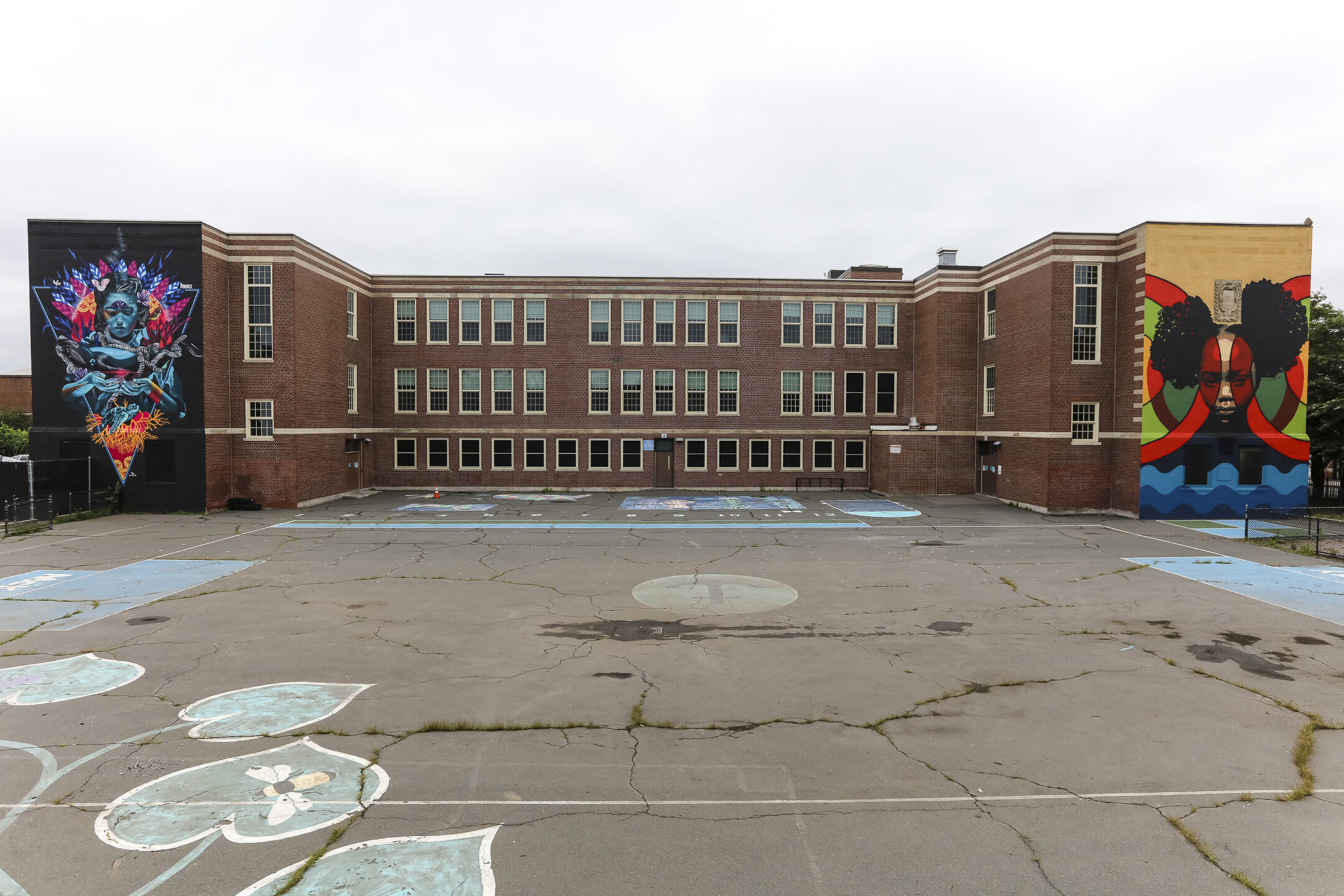
One of the big missing links is connecting science and data. We’ve been able to bridge that gap to some extent. And one of the ways that we love to do that is large scale public artwork. We realized early on that with public art, its resources are democratic. You can go into a neighborhood and disrupt the way people go to work every day, the way kids are coming home from school. So in 2014 we established a public art program, the first of its kind, called Sea Walls: Artists for Oceans.
It was a 10 year program, and we created 550 murals, all ocean conservation based murals, in 23 countries. This has led to policy change, which has led to new organizations being able to campaign for specific animals that maybe didn’t have a voice beforehand.
How can art inspire understanding to people who distrust science?
Art can be a communication tool for science. The data and the information can be complex and challenging for the average Joe to wrap their head around, but communicated in a way that’s visually interesting. It’s in the public space, so if you stumble upon it, you know that that’s an opportunity to connect with somebody.
For murals we have each artist create a title and an artist statement, and then we create a permanent informative plaque that goes alongside the mural that covers more about the topic, who the artist is, and where they can go to get more information about it.
You have a network of over a thousand concerned artists. Have you felt that artists are more sensitive to world issues?
Definitely. Not generalizing, not every artist is a little more in tune. But I have met several that are. A lot of times from my experience, they tend to have a little more empathy when it comes to social causes or the environment. That’s how I operate as well. I think we gravitate to our own kind to some extent. Art has been used as a tool for activism for generations. We’re not doing anything new, necessarily. I think we’re just framing it in a different perspective.
Can you tease your upcoming show at Arch Enemy in Philly in June?
So we got connected with Lawren and the Arch Enemy team, since we’ve been wanting to do more work on the East Coast. We’re based in Hawaii and do a lot of our work on the West Coast and internationally. We’ve done some large scale mural projects on the East Coast, but we’ve never done anything like an exhibition. I’ve been aware of all the fantastic exhibitions they curate, so we clicked pretty quickly and from there we started coming up with ideas of what we could do together. They predominantly focus on group shows, so we’re doing something around that.
Amidst the recent change in the political arena in the US, fundraising has become very challenging. As we were saying before, science has become kind of the enemy, nonprofit work has taken a backseat in terms of priorities for the government. So we’re having to be more creative and be a little more aggressive in terms of how we fundraise. We are hosting a couple of fundraising exhibitions like this around the US this year, and we’re doing the Arch Enemy show in June. It just so happens that this show is gonna coincide with the 250th anniversary of America.
We tinkered with the name, we were gonna call it Sea to Shining Sea, but we’ve decided to change it to Common Waters, in the spirit of linking the globe. We’re all connected by the oceans no matter where we are in the world, and politics and nationalism aside, the oceans are the great connector. Without healthy oceans, whatever politicians are striving for, it doesn’t matter. So that’s what we’re gonna highlight with this exhibition.
Speaking of the new fundraisers, have you lost federal funding that you used to have?
I mean, those opportunities are just not there anymore. A lot of those grants have just been dissolved. Unfortunately the environment’s been targeted, but it’s more of an opportunity to exploit it versus to protect it. So we’re having to search for funding. It’s not the first time that we’ve experienced things like this, but it is the first time we’ve experienced it on this scale. Literally it was overnight, these opportunities that we used to have in these funding sources are just gone. We’re seeing nonprofits that do really great work having to close doors and lay people off. It’s really disappointing. There’s this emphasis on the individual, on capitalism versus sustainability and the future. But that’s not gonna stop us from what we are doing, continuing to try to do the good work and get it out there to communities around the world.
Visit pangeaseed.org to support and get involved.
Share