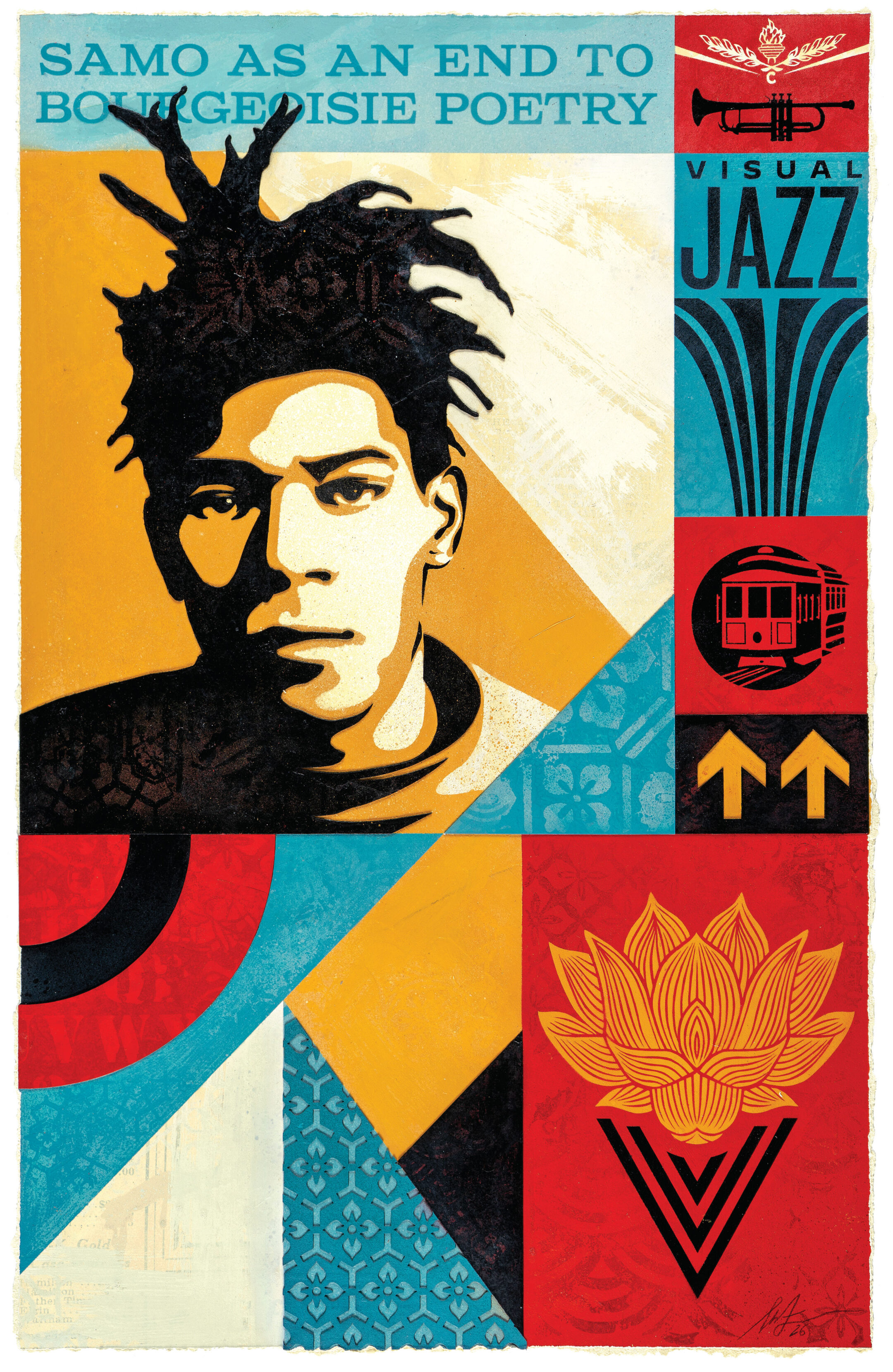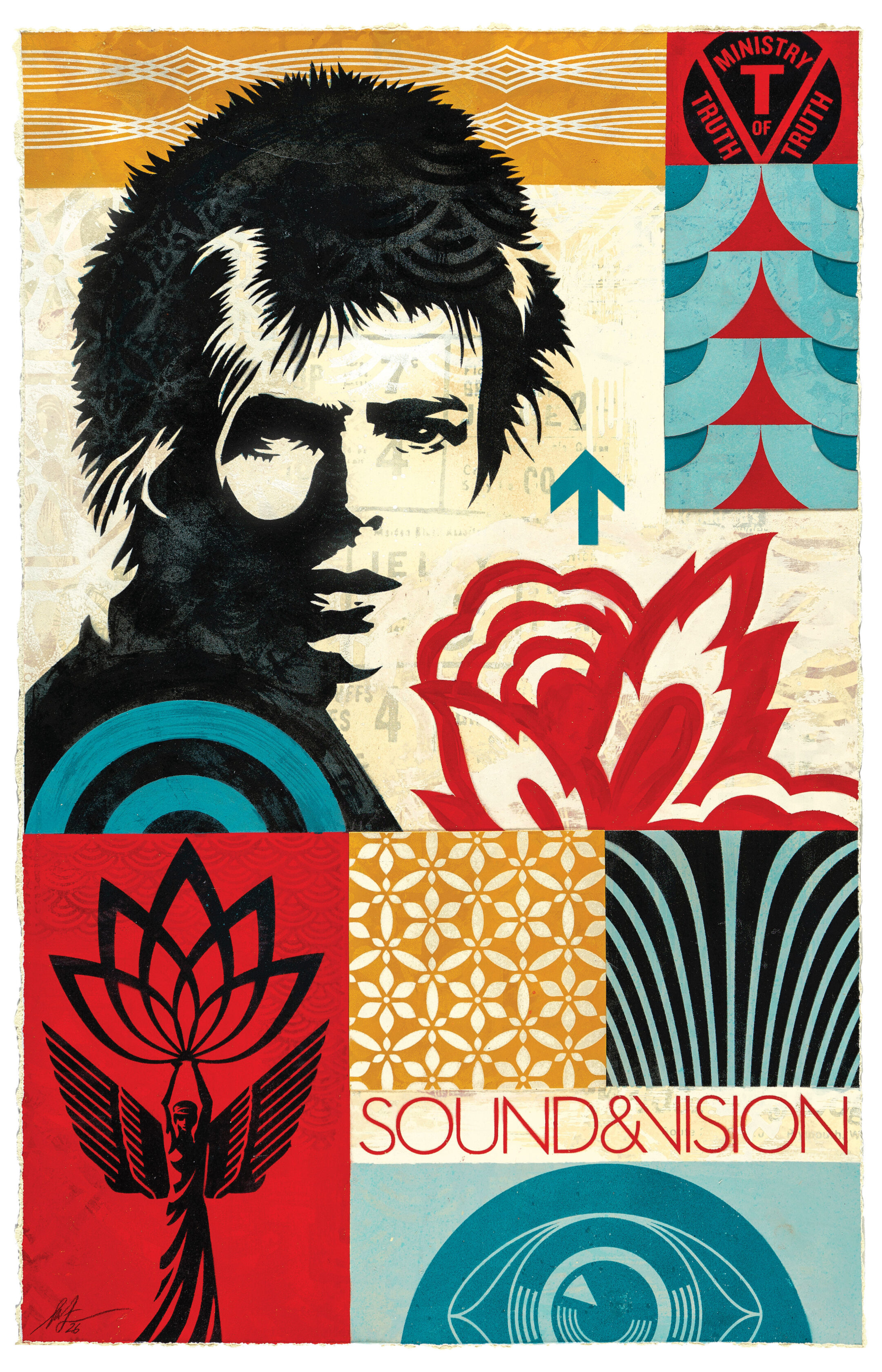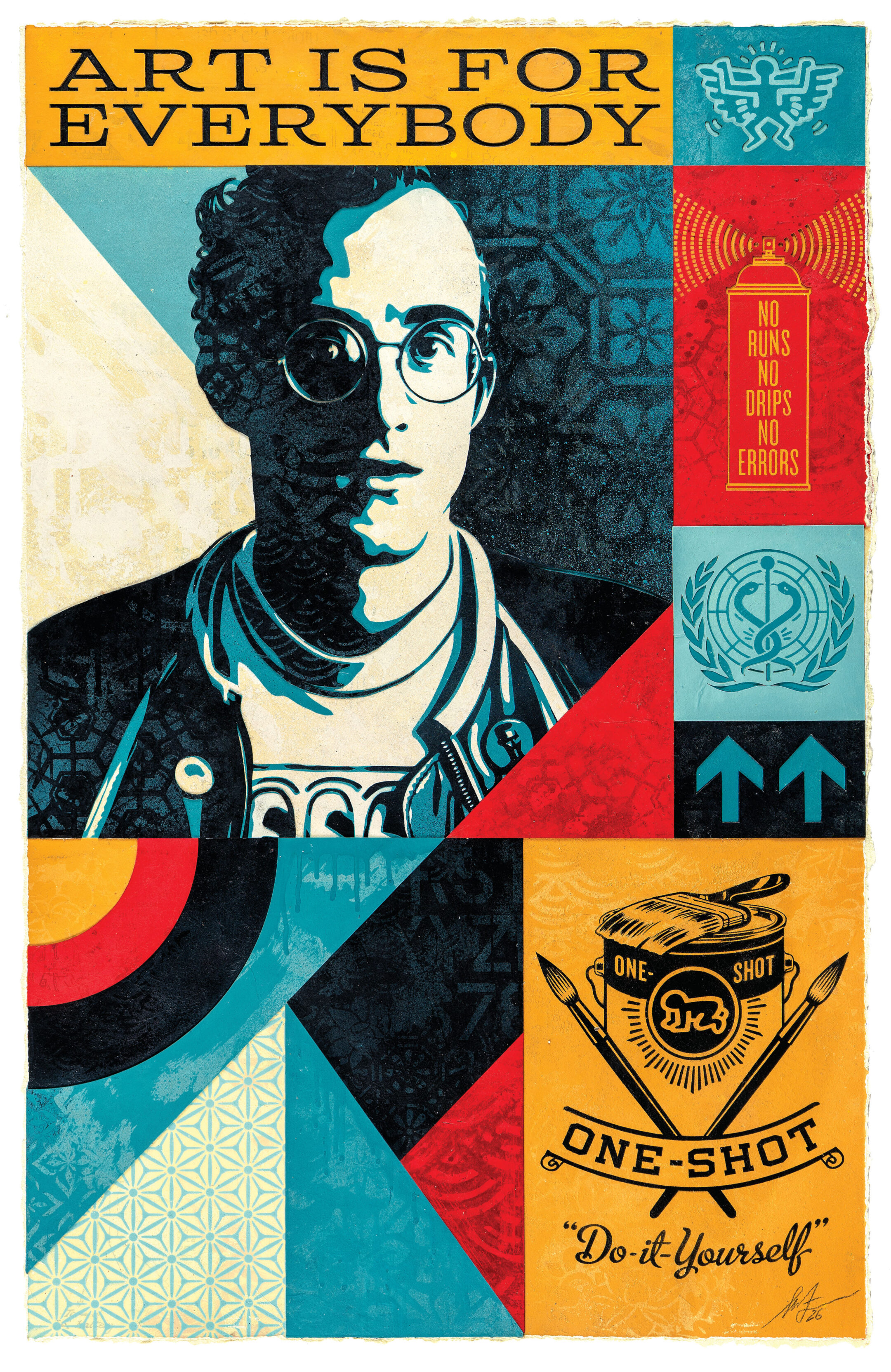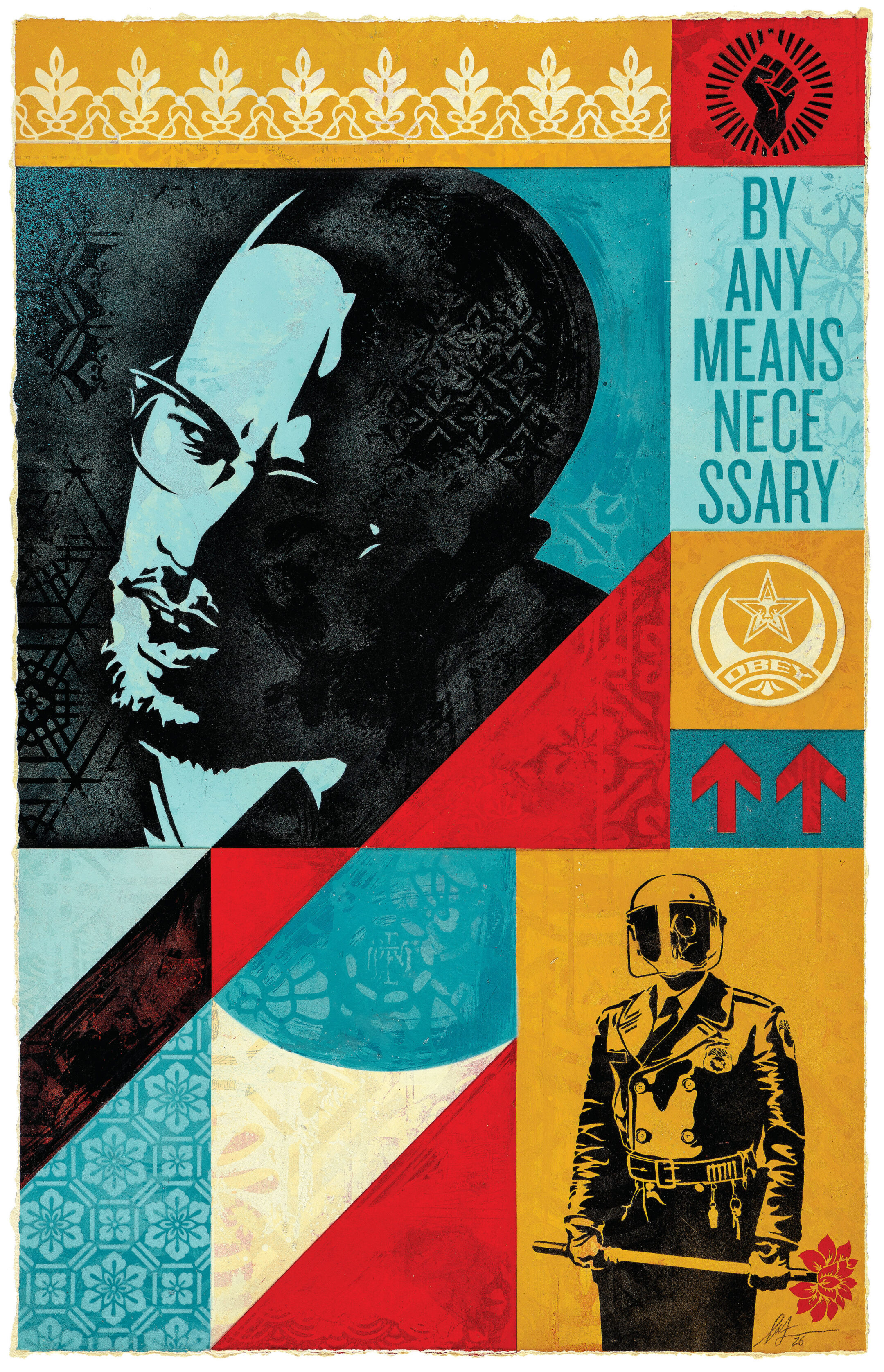
Shepard Fairey: Print Revolution

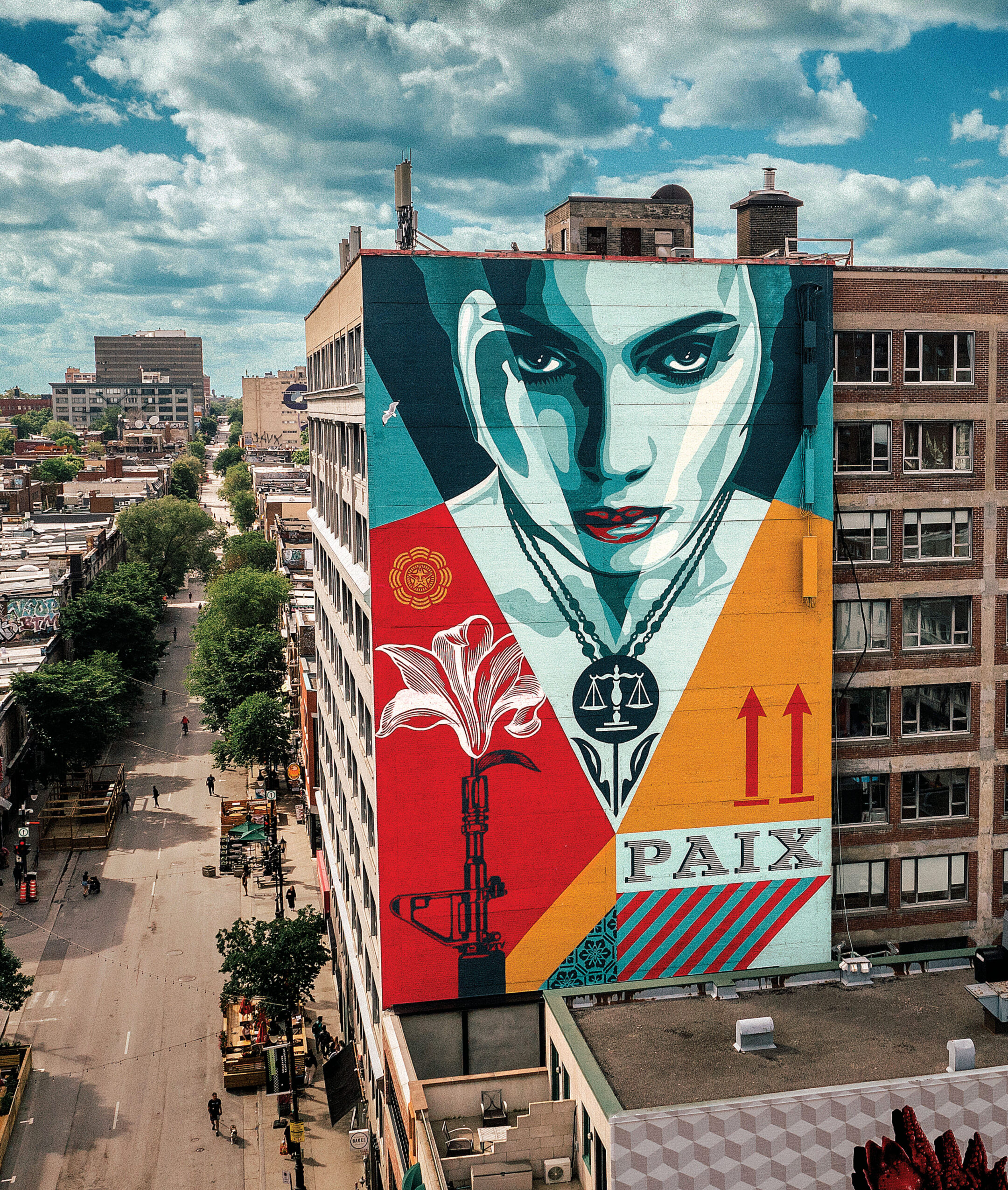
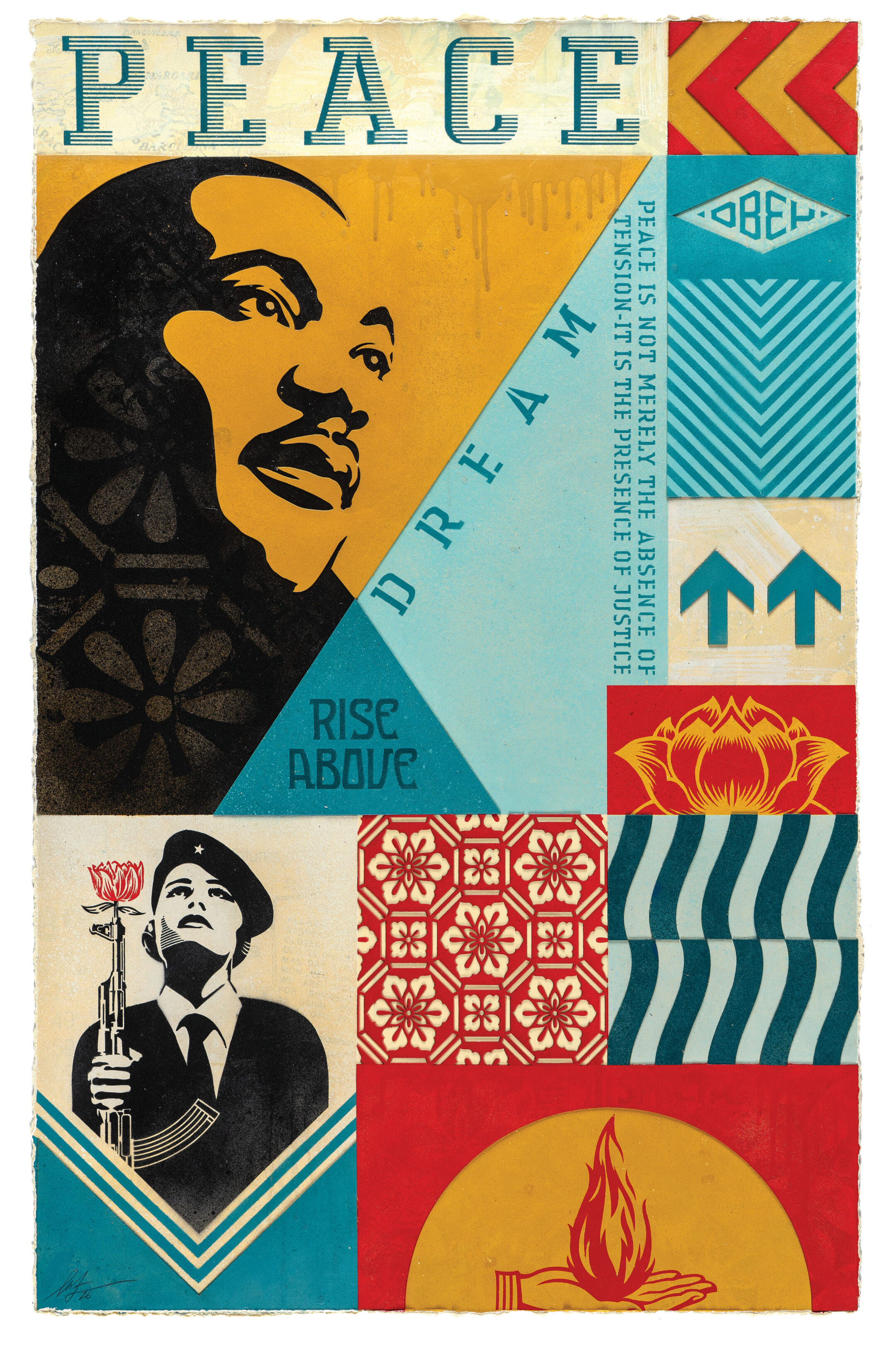
Shepard Fairey is an American artist and activist whose bold, iconic images have cemented him as one of the world’s most recognizable street artists. With deep roots in skate culture and punk rock, Shepard is a rare artist whose work has remained true to his counter-culture convictions, while breaking through into mainstream consciousness.

There is a profound power in the print, from the protest placard to the illegal wheat paste. It is a medium which invites repetition, combination, and exploration within a constrained form. Print can be a vehicle to confront the viewer in unexpected locations and to widely disseminate imagery and information in the physical world, outside of institutional channels and corporate algorithms.

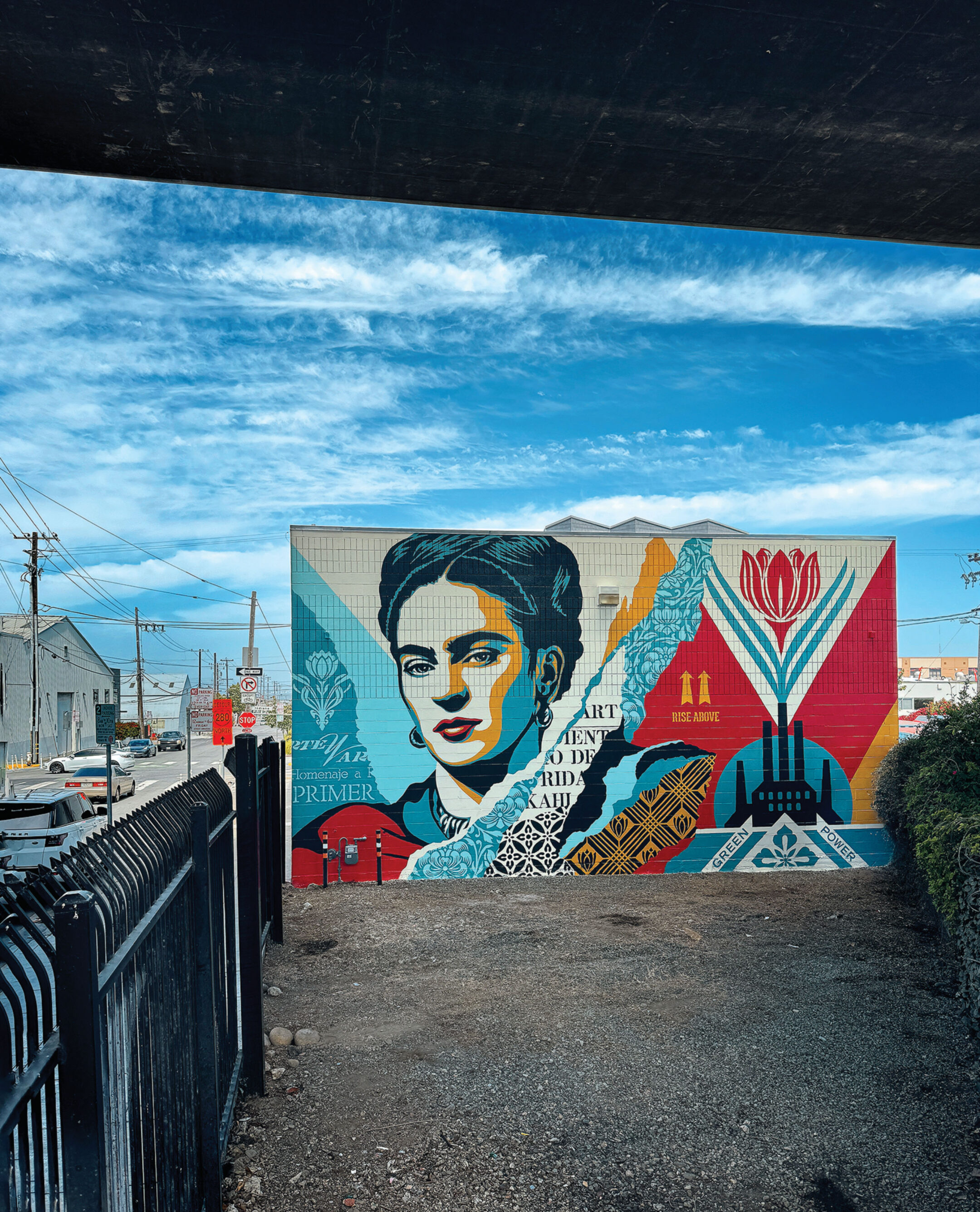
With a body of work spanning several decades, Shepard’s images strike a balance between fierce activism, subtle humor, and aesthetic appeal that engage the viewer on visual, conceptual and moral levels, while maintaining a pop art sensibility and broad appeal. His main themes include environmental and social justice, a general questioning of authority, and a championing of the human spirit.

Within the current geo-political era, his early body of work on authority and control feels more relevant than ever. Having maintained his convictions, his DIY approach to art making, and his commitment to the potential for humanity, his voice is now as vital as ever.

SAWA: We share a love for print and analog. How did you discover this medium for yourself?

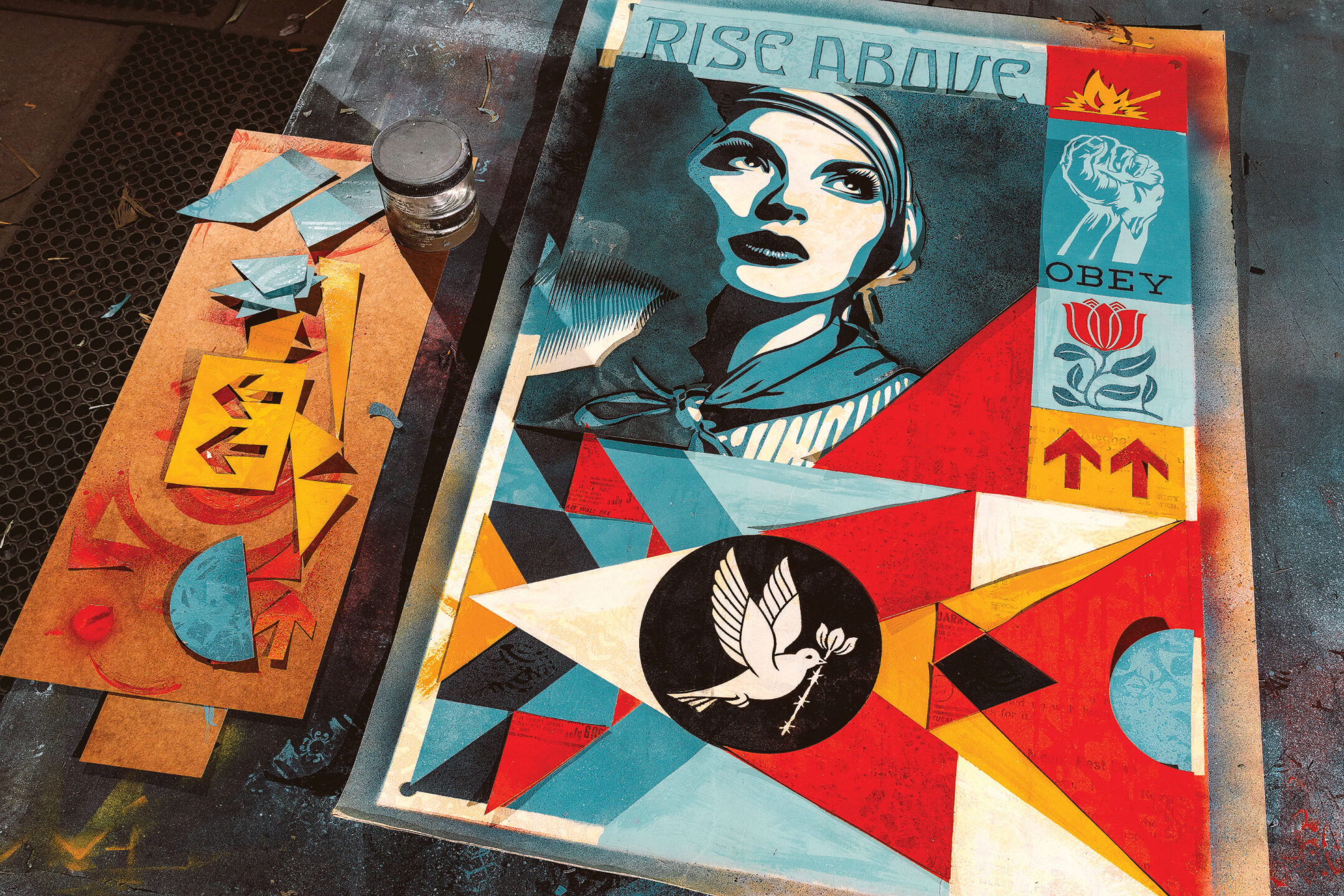
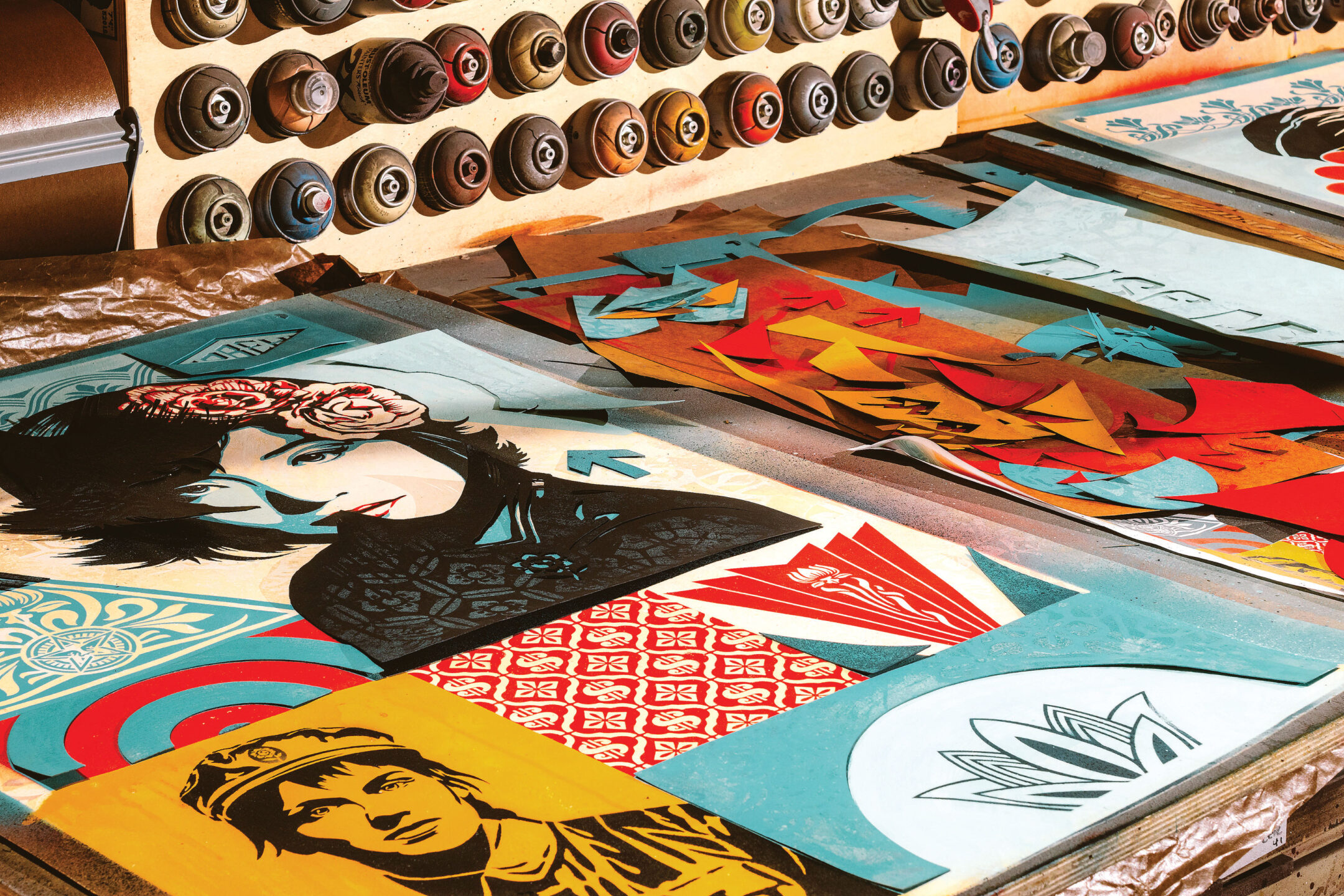
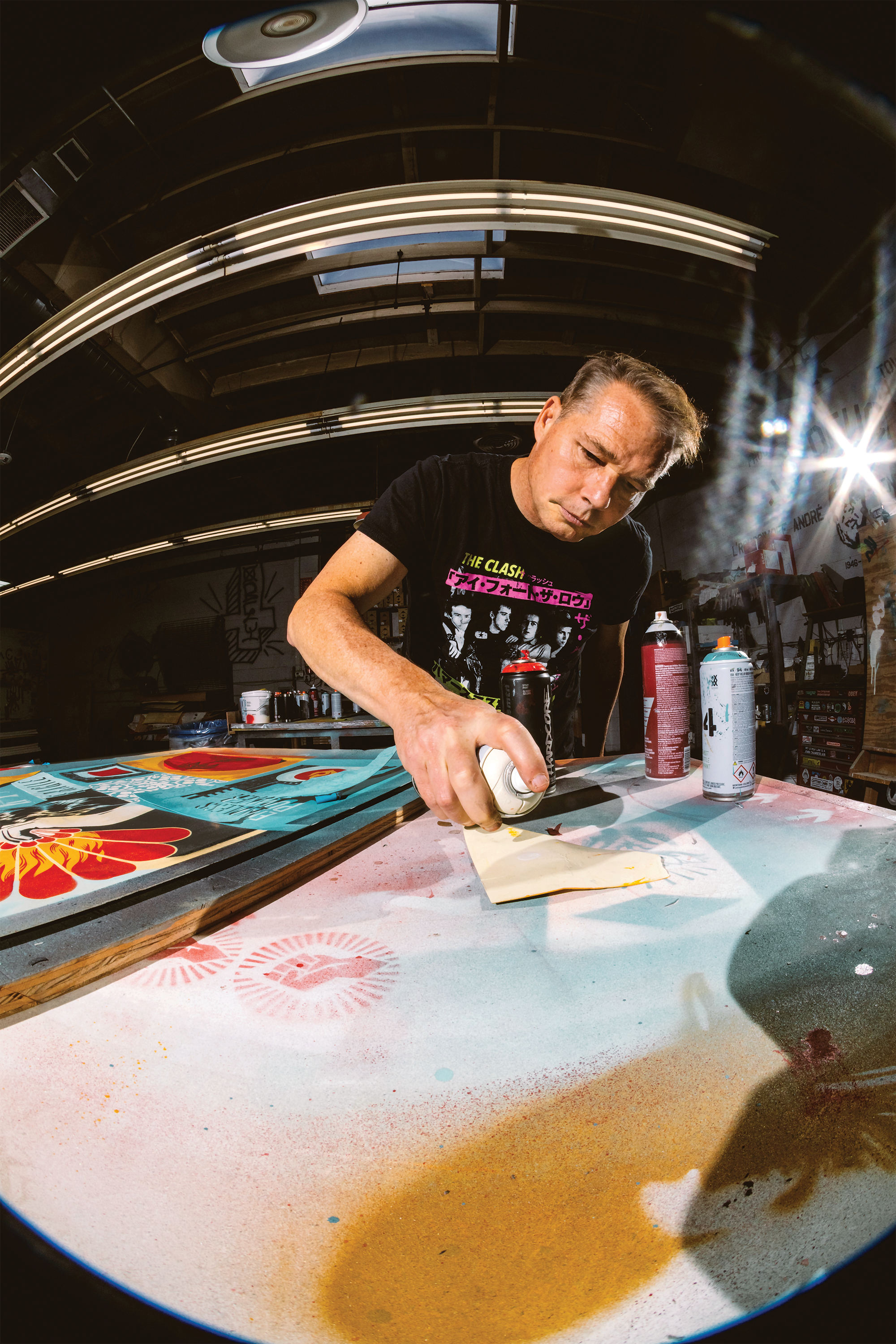
SHEPARD: I’ve loved print since I was a teenager because it was a tool of empowerment. My mom had a Xerox machine in our house for her business. I learned how to xerox things from skateboard magazines or record covers and then cut my own stencils, then later using a Xerox machine for skate zines. It wasn’t much of a leap to making homemade T-shirts, which then led to prints on paper. The cornerstone of my entire career.

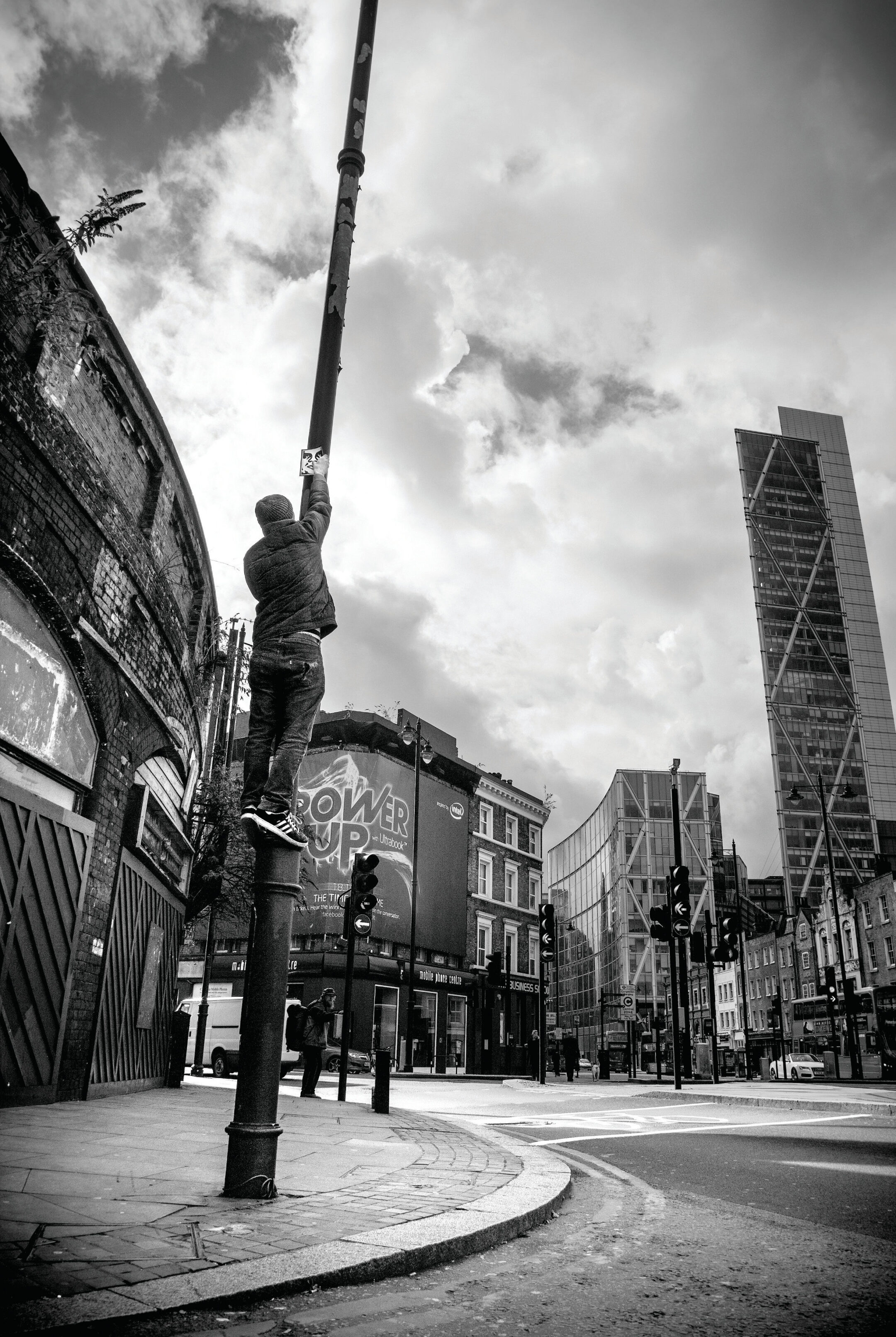
It just was completely liberating and empowering. The feeling of pulling the prints, and then knowing I was gonna go out into the world and put them up and no one was gonna stop me if I was lucky (I got stopped by the cops a few times). But it was a way to share, if you’re looking at it generously, or force my work on people. I think the whole sort of top-down hierarchy of things upset me even as a teen, which is one of the reasons I love punk rock and skateboarding. They were very grimy and rebellious, build your own scene, build your own world, screw the mainstream situations. And then when I got more into the idea of how some voices need to be heard, even if they haven’t been legitimized by money and power, that I could really get behind that and use my prints in a way that would give me a voice to address issues that I cared about in the world and provide tools for other activists.

Hell yeah. There is also something to be said to the magic of burning a screen, seeing that light come through, the ink pass through and then having that physical thing now in your hand.

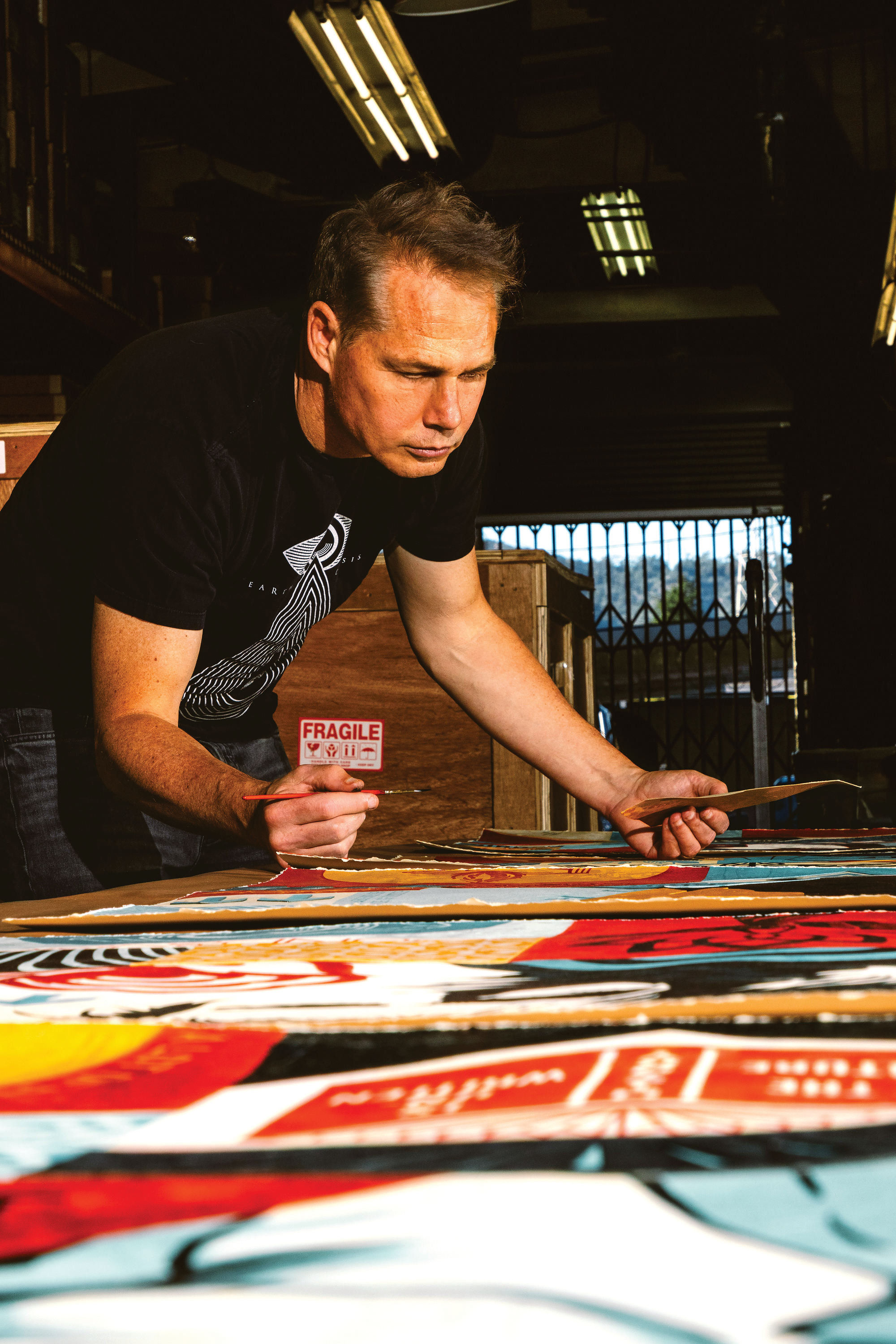
Especially when I first learned how to do photo emulsion screen printing, I did not know how to use the computer. I had to intellectualize what I thought the end result was gonna look like, build my layers and then watch it unfold as I printed each layer. A lot of times I worked very simply, so things were only two or three colors. But still there is a magic to watching it come together. And when it comes together, it’s so rewarding. Shooting a screen, mixing the inks, anticipating what it’s gonna look like on the paper… there’s nothing else quite like that. Now I’m able to make my separations and envision what it’s gonna look like in theory on the computer, but still, once the actual prints go, there’s the fine tuning. So there’s still that magic of the analog side, the whole process coming together that can’t be replaced by the digital experience at all.

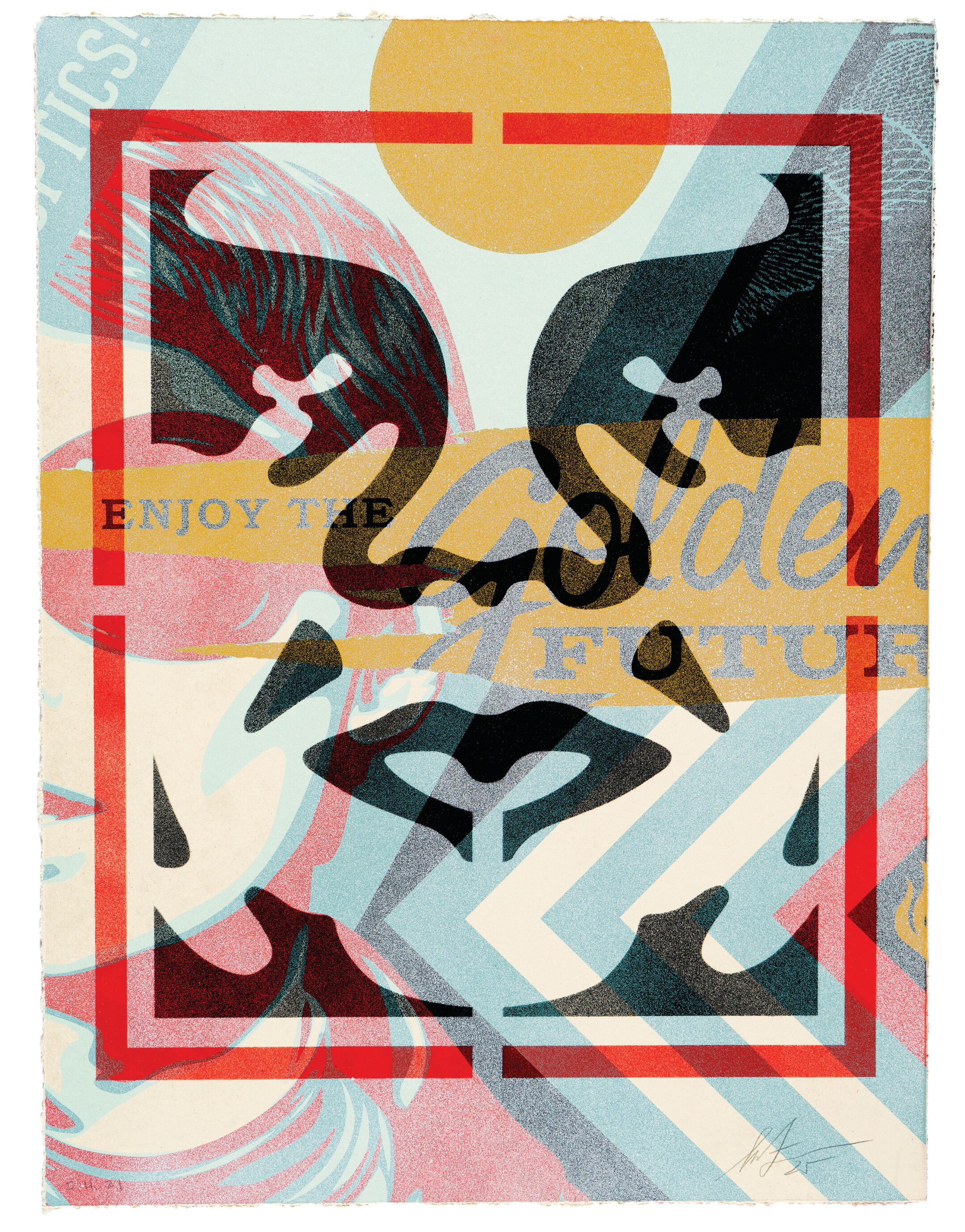
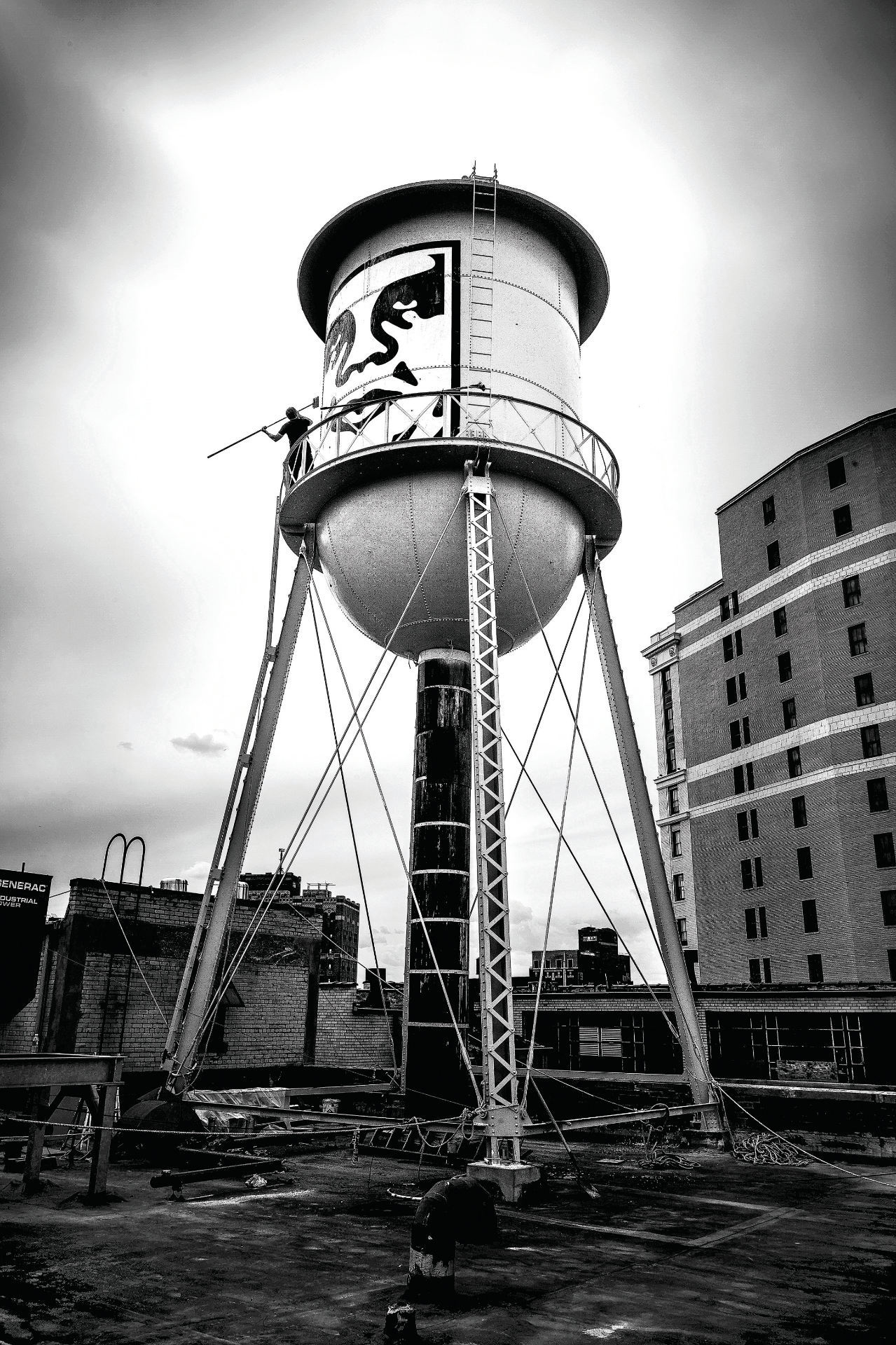
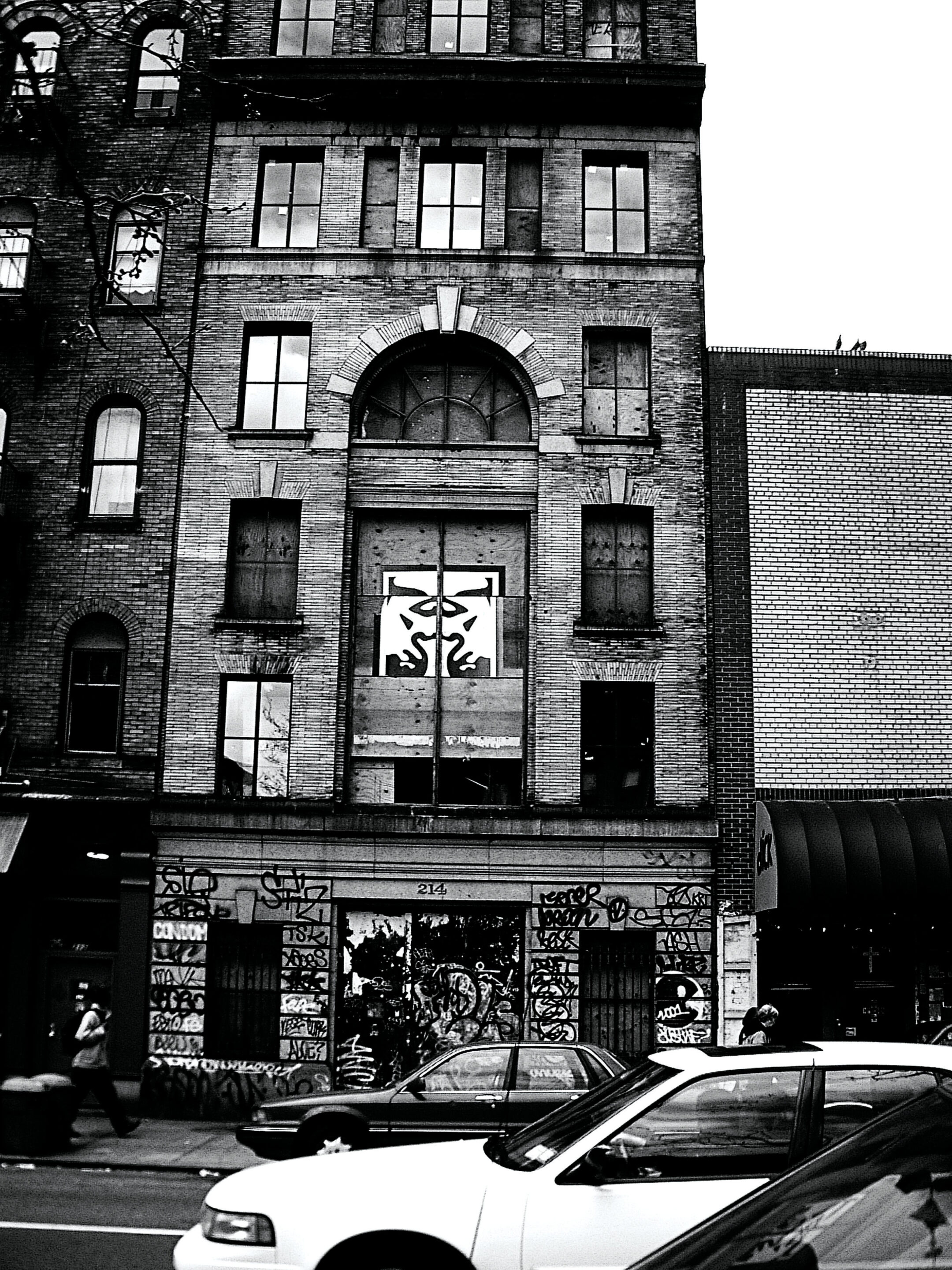
Absolutely, creating physical art rewards you in ways that digital processes could never replicate. So, obviously you’ve been published a lot, you’ve shown your work extensively, your murals are everywhere. What is special about the collection that you recently exhibited at Beyond the Streets that may be different from some of your previous shows? I’ve done a lot of art shows. They’re usually the newest body of work, and I’m always excited about the newest body of work. In fact, people ask me, “Well, what’s your favorite thing from the past?” Nothing. It’s the next thing. That’s my favorite thing. But after working for 35 years in many different mediums, but always with screen printing, to see 420 prints in one space is really rewarding because it shows me both the evolution and the continuity of my work. I think in some ways evolving is always important, but in other ways sticking to the principles of self empowerment and activism is what fuels me. And rebellion —thinking of how to champion the underdog, that’s visible in this show. This is also the largest body of screen prints I’ve ever had in one space in the United States. Your iconic OBEY print has evolved and taken on many forms. It was originally inspired by the ‘80s movie They Live, which is relevant now more than ever. Do you see any modern-day parallels to that movie? Artists are getting censored right now, and given the nature of your work, how are you combating that? From when I began 35 years ago with the OBEY Giant project, one of the overarching themes was questioning authority and obedience. The use of the word “obey” in my work was inspired by the John Carpenter film They Live, which I thought was probably the most provocative symbol in the movie. It’s a narrative about people not having their eyes open to the ways in which they’re manipulated. Those themes have continued to be in my work. Whether it’s just looking at concepts of justice or oppression in general, or specific issues like the environment and the power that the oil industry has over the government, or racial and gender equality, or any number of other things. With what’s going on right now with the Trump administration, I think that freedom of speech and censorship are really, really important issues to confront, so I’m addressing that in some of my work as I always have.
“I think that tenacity is probably the most important thing to have in life, but especially with art.”

You’ve been such a prolific artist for so long. When you are constantly making new work and exhibiting, how do you keep it fun and exciting?

The way I keep making art exciting is by trying to find inspiration in things that give me a good recharge — whether that’s a great film or book that tackles important ideas, social theory, political stuff, or music. I just try to soak up a lot of what’s going on in the world, and inspiration can also come from irritation. There’s so much injustice that infuriates me, which is also a really good fuel for me to make art that addresses those things. Art is the only thing I can think of that’s therapeutic, in feeling like I am standing up for my beliefs but also able to escape while I’m making. It’s very, very therapeutic to just get lost in making a picture, even if it’s addressing very heavy issues. And then I get to engage when I’m finished. So finding that rhythm allows me to stay energized and healthy with it, even though I work really long hours.

I’m glad you mentioned that. What’s inspiring you also inspires your work. What are some things that are inspiring you right now?

There’s always new stuff that’s coming out that’s inspiring to me, even if it’s just a new take on a sort of timeless human problem. A film that I saw recently, Eddington with Joaquin Phoenix, is a really great analysis of what I think are the variables that have led to our polarization: social media, the pandemic, people feeling like they have to find a tribe that will help them fight against the other tribe.

There are also books like Nexus by Yuval Noah Harari that look at social media algorithms and the history of communication networks, but why the speed of things now — and also the business model of social media and some aspects of AI — are very problematic because humans can process and vet things, but they can’t do it as quickly as these tools are pulling us apart.

There’s so many other things. When I see a great art show, like an Ed Ruscha retrospective show, I’m inspired. Hearing a band like Yard Act, their songs being a lot of intelligent commentary, keeps me inspired. And the way these things might manifest in my work are always, always different.

You have mandalas in some of your work and I’ve always loved this. It balances some sort of mysticism with your activist work.

The more spiritual stuff is from the last 15 years, most of that stuff is even older than that. When I was younger I was pretty contrarian and pretty angry. And I think the thing about anger is that it’s a good thing to see the injustice in the world and be upset about it, but you have to channel that anger in a constructive way. I think also when you’re an artist and in art school, they tell you everything you’ve done is derivative. “You’re not unique.” You’re trying so hard to feel unique and special and never do anything cliche. I would never do anything that would be on a postcard. As I’ve gotten older though, I’ve realized that finding a visual language that’s as universal as possible while still having my unique voice is the sweet spot, because I care about other people and want to communicate with them. I think that many of the problems we’re facing in society are because we’re being selfish and individualistic rather than looking at how we benefit from being part of a healthy community, a healthy whole.

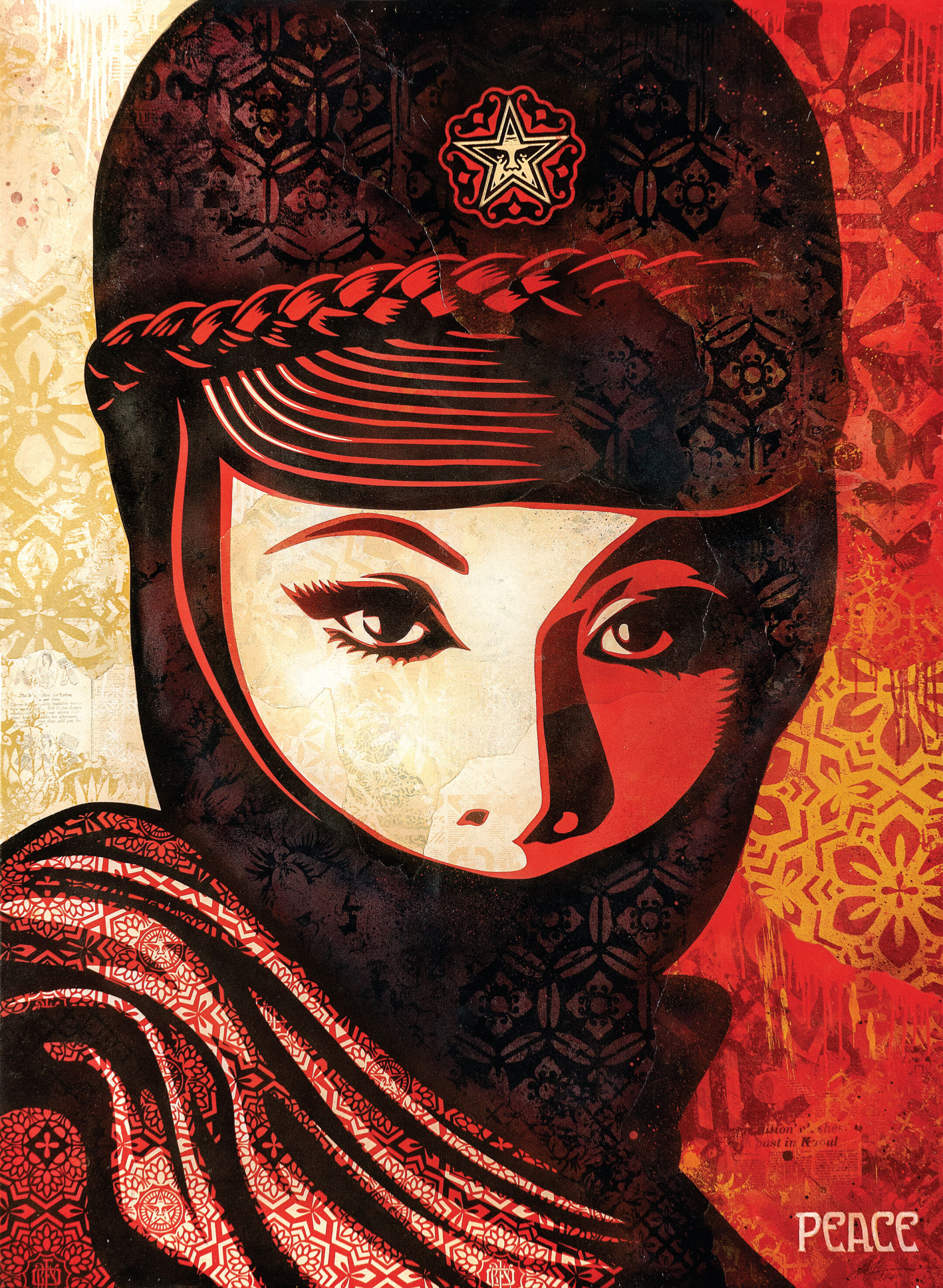
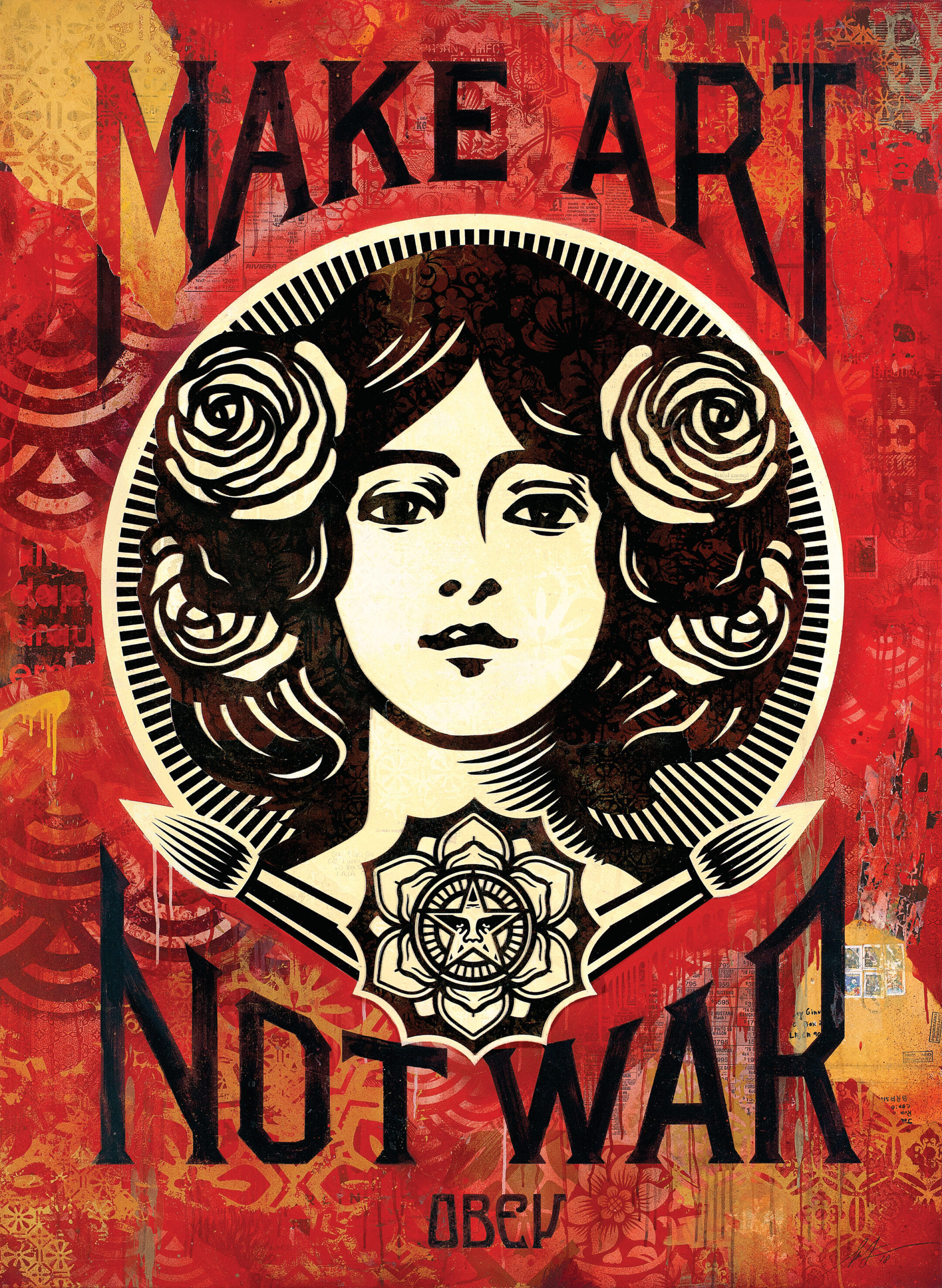
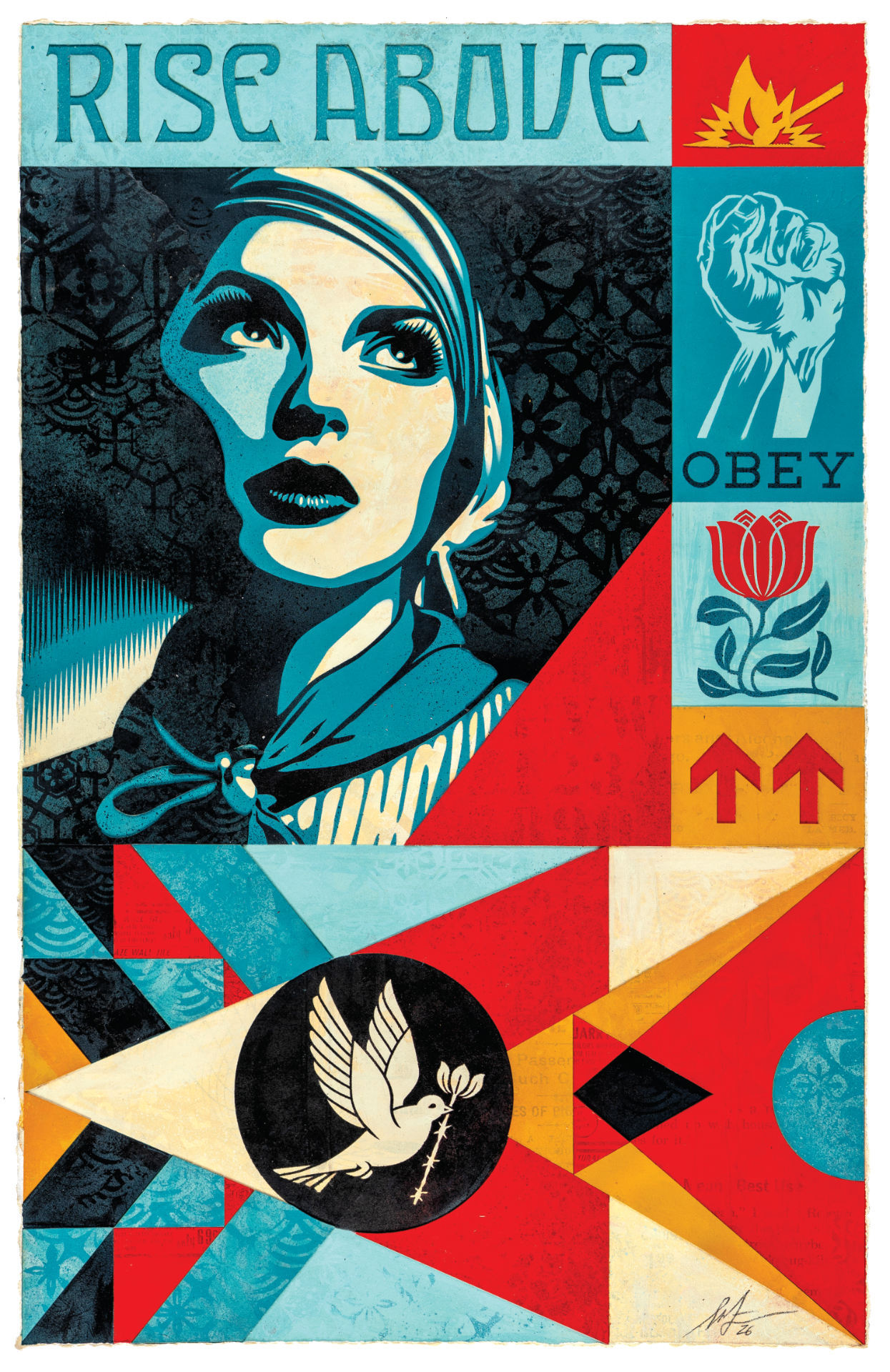
So, you know, this idea of even the earth as a gaia, an organism with lots of parts that work in harmony to be healthy. It’s an important concept to remember. And so I’ve started to incorporate what I think are positive symbols like flowers, waves, clouds, portraiture of people that imbue a sense of humanity. Symbolic ornamentation that I might have stayed away from as a younger person, but I think now gives my work a more spiritual and humanitarian side.

How have you gotten through initial feelings of imposter syndrome?

What I think is most important about art making is just doing, and it can be really paralyzing if you think you have to have a world changing idea or a grand thesis before you start. That’s not the way things really work. I stumbled upon my sticker that became my street art icon for the last 35 years, the “Andre the Giant Has a Posse” sticker, but I was having fun and I just kept making, kept iterating. And I think if you do that, you will naturally improve your technique, develop your artistic voice, and find your philosophy. It will just organically happen, but you have to just keep doing it. I think that tenacity is probably the most important thing to have in life, but especially with art. And also realizing that people love to comment on art, but they’re mostly afraid to do it because they don’t want to be the ones receiving negative comments. So take some consolation in that if you do something and people react to it, whether it’s good or bad, you are actually on the winning side of having a voice and being courageous. So really take that to heart and let it fuel you.

I know this is not an original question or topic for you, but what can we say about the power of repetition?

I’ve said it a million times. Repetition works.

Mic drop.

But I can do a little bit more.

When I began my OBEY Giant campaign and figured out the 18-by-24” vertical format was good for me to be able to pull a squeegee by hand and to put up on the street in any number of locations, I quickly realized that using the same color scheme so that they could be put up in grids of different images next to each other, it would work as a cohesive unit. And if you didn’t like one image, maybe you’d like the next one or maybe the next one and there would be a cumulative power to all of it together. Now that repetition to me is just part of life’s process. We are repetitive creatures that can be bad, but it can also be really good in that a lot of times people don’t process an idea the first time they hear it, the fifth time they hear it, but maybe on the sixth it’s going to matter. And I’m going to be relentless in pushing my ideas out there until they register for people and build on that.

Share

Get Art Bar news in your Inbox

Follow us
Yearly Subs Save 20%

Delivered quarterly.