How to Eat an Elephant: A Roadmap to DIY Filmmaking with Rick Charnoski
- Written by Max Olson
- Published:
- In Features
Warm Blood is a movie you probably never heard of or know anything about, but if you are interested in real-deal independent film or the evolution of art inspired by the DIY ethos of skateboarding and punk, you should.
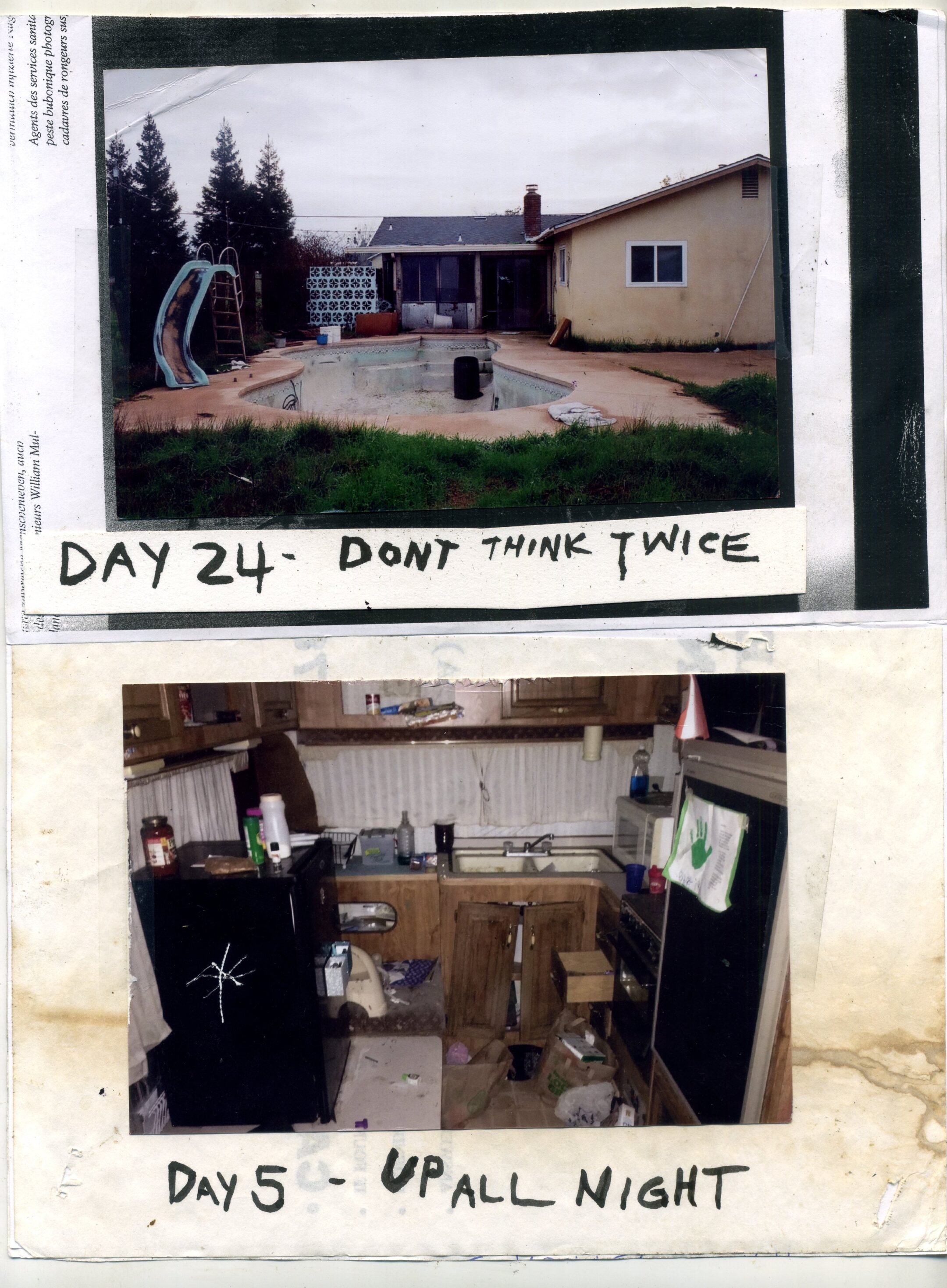
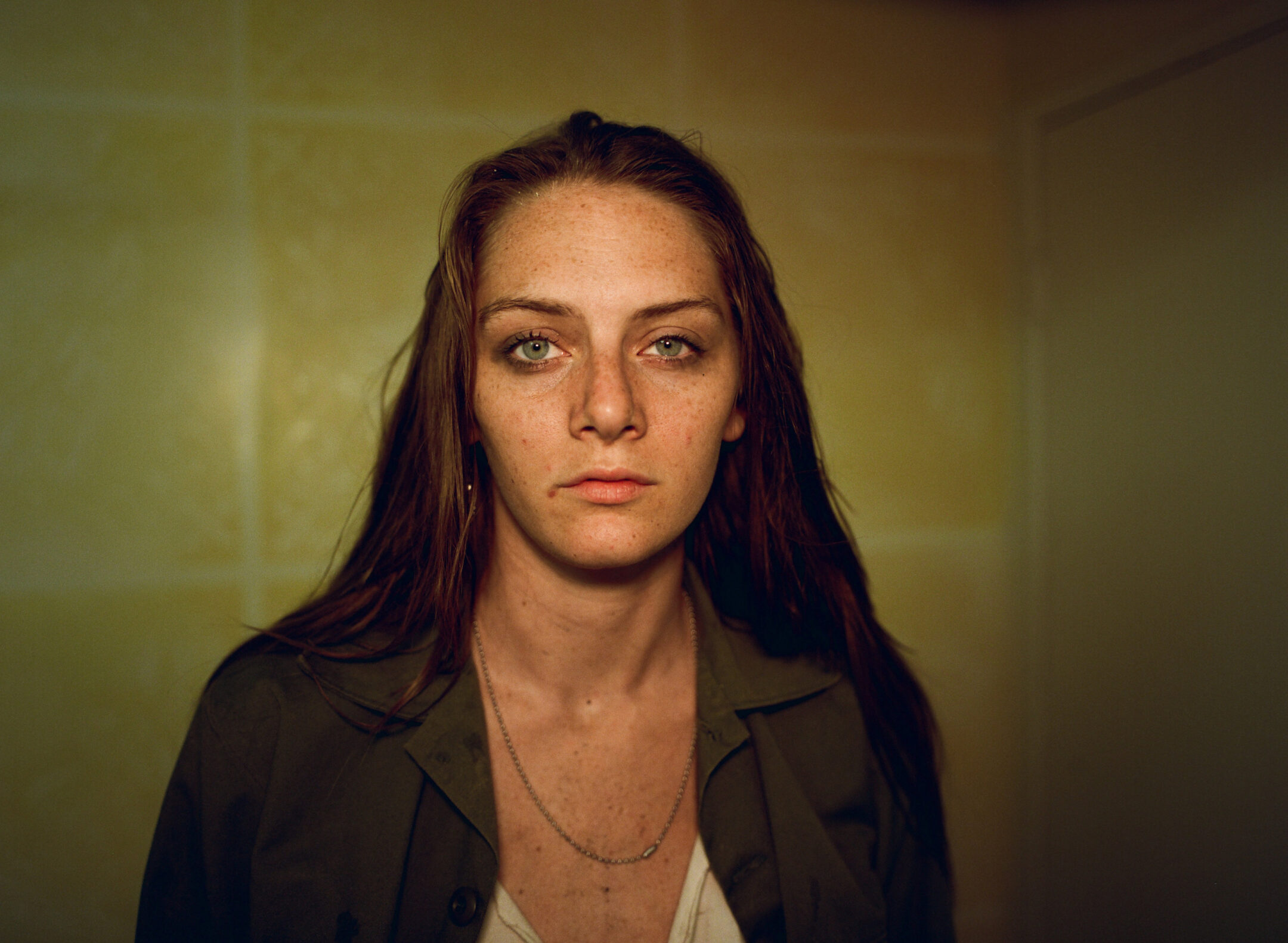
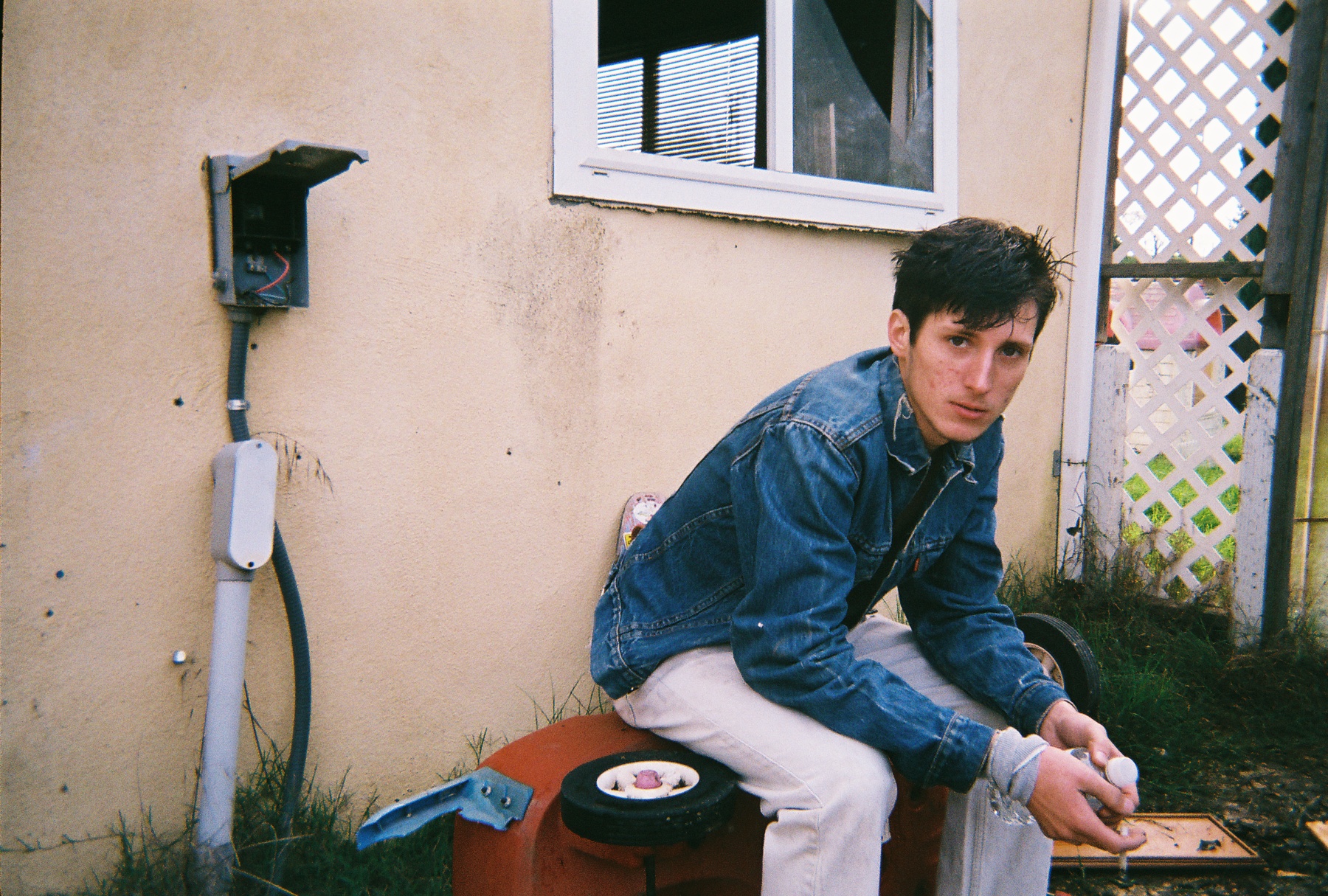
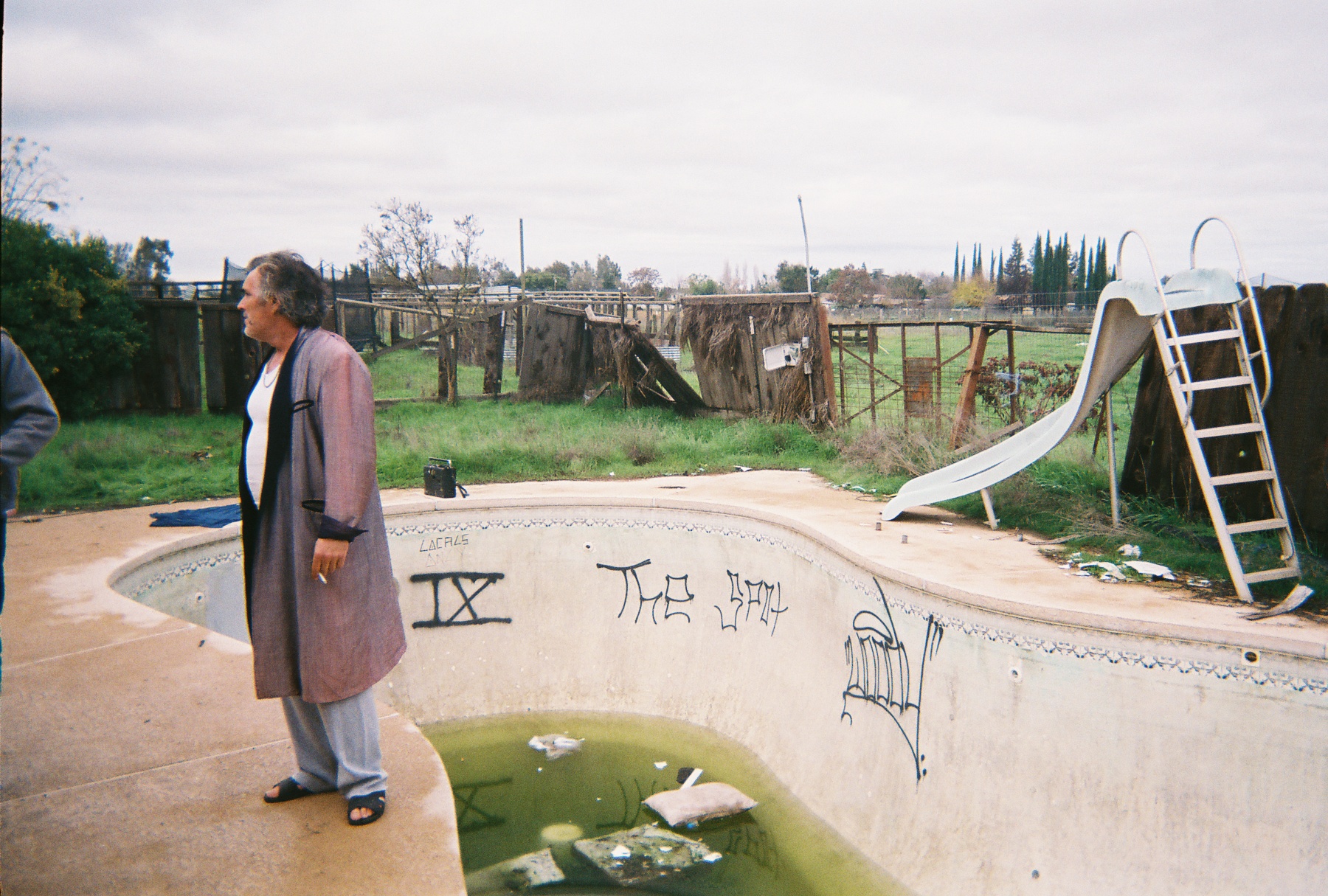
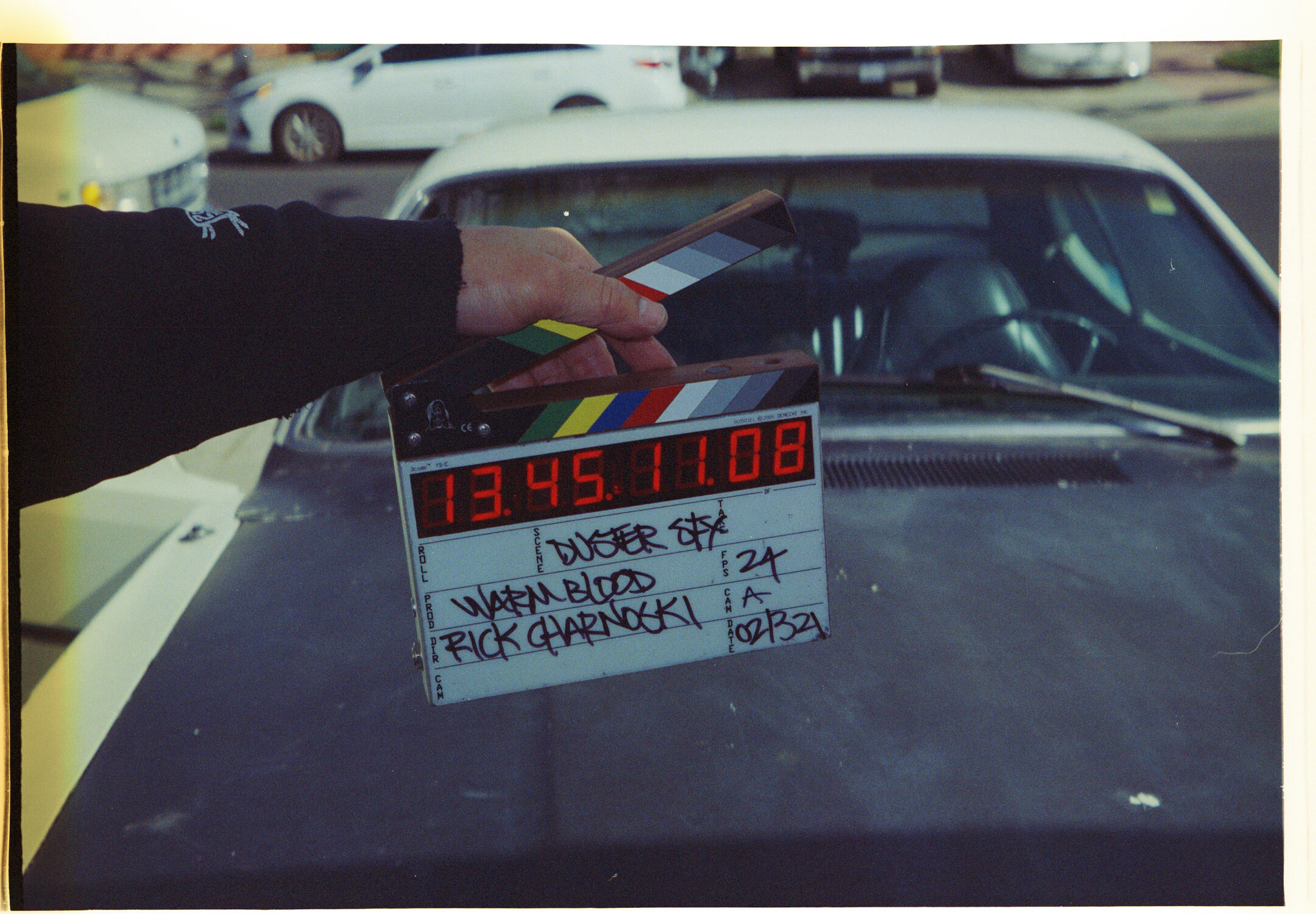
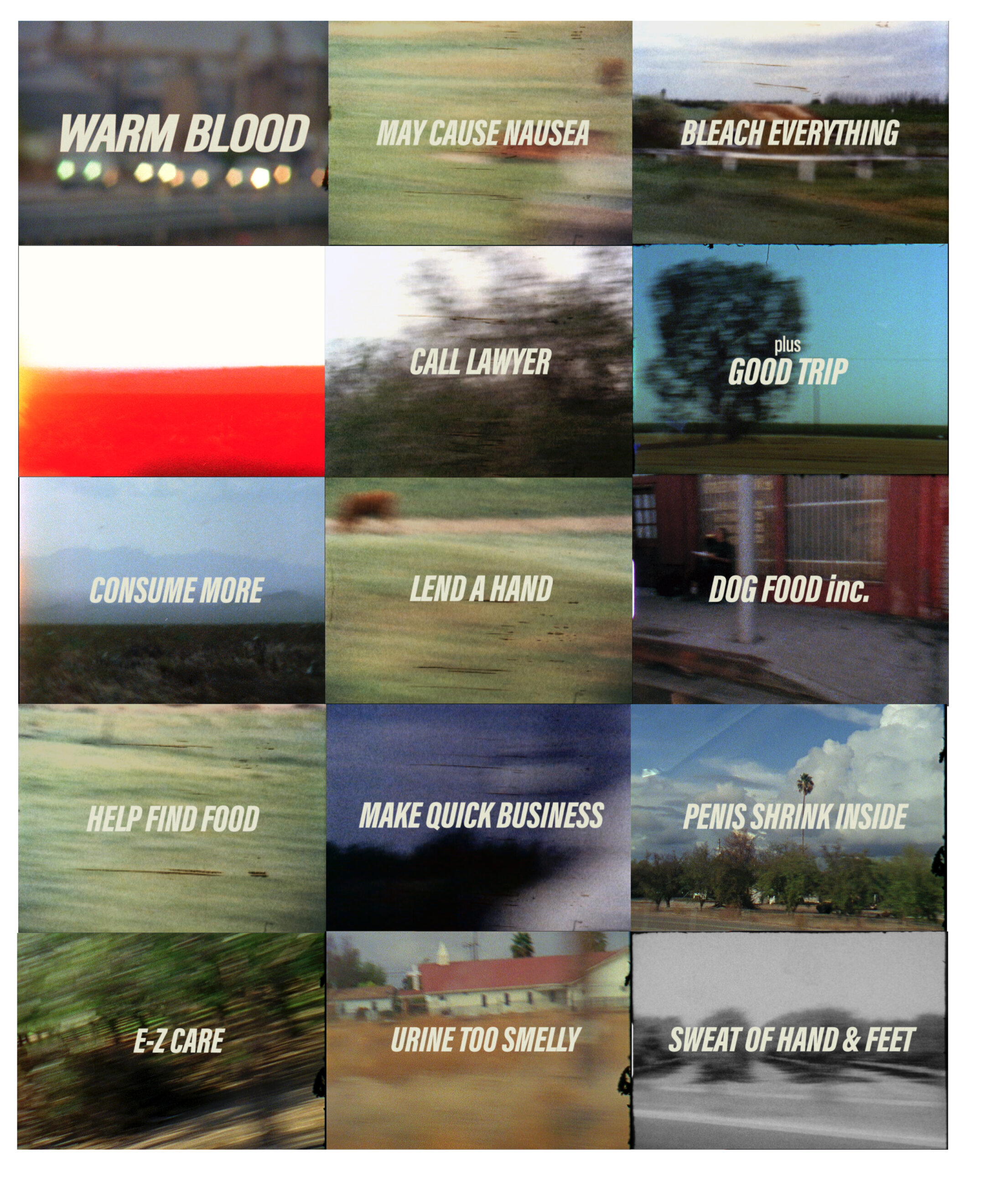
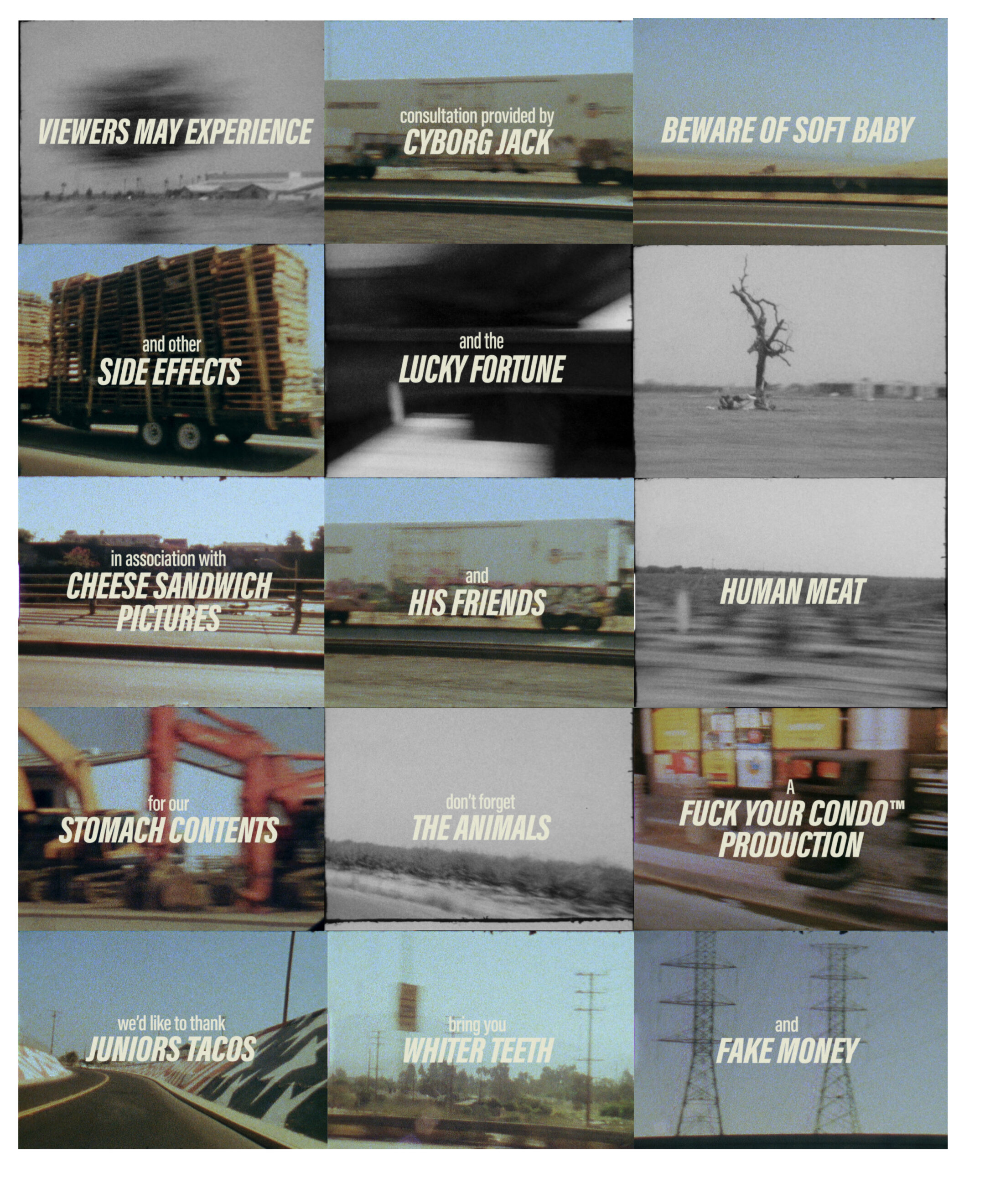
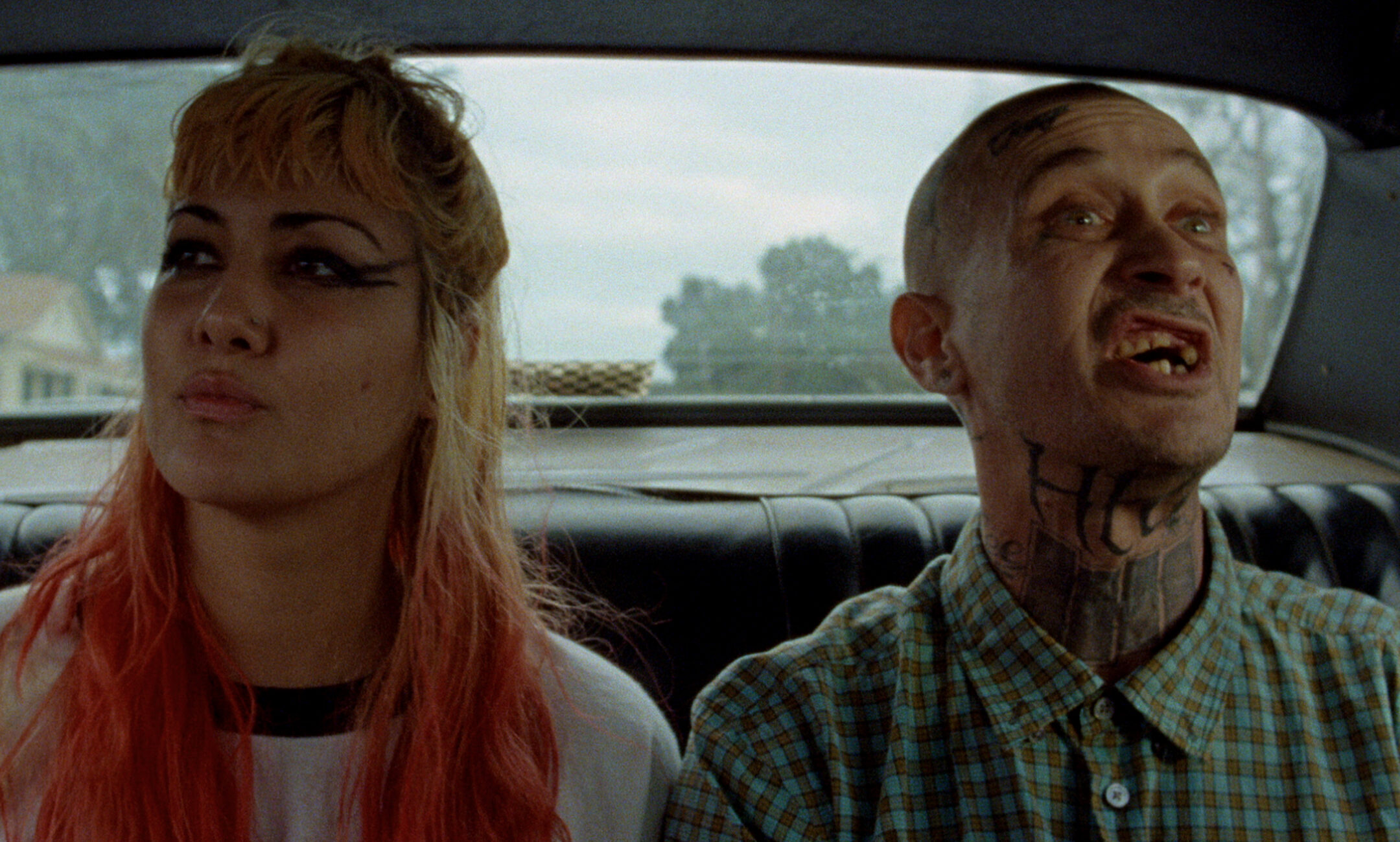
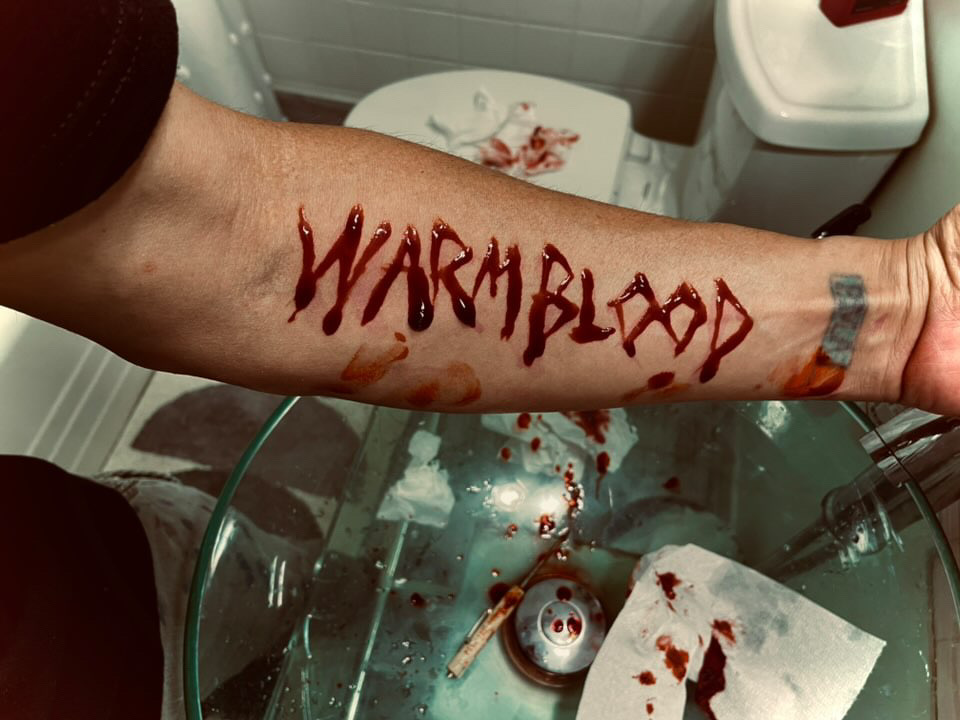
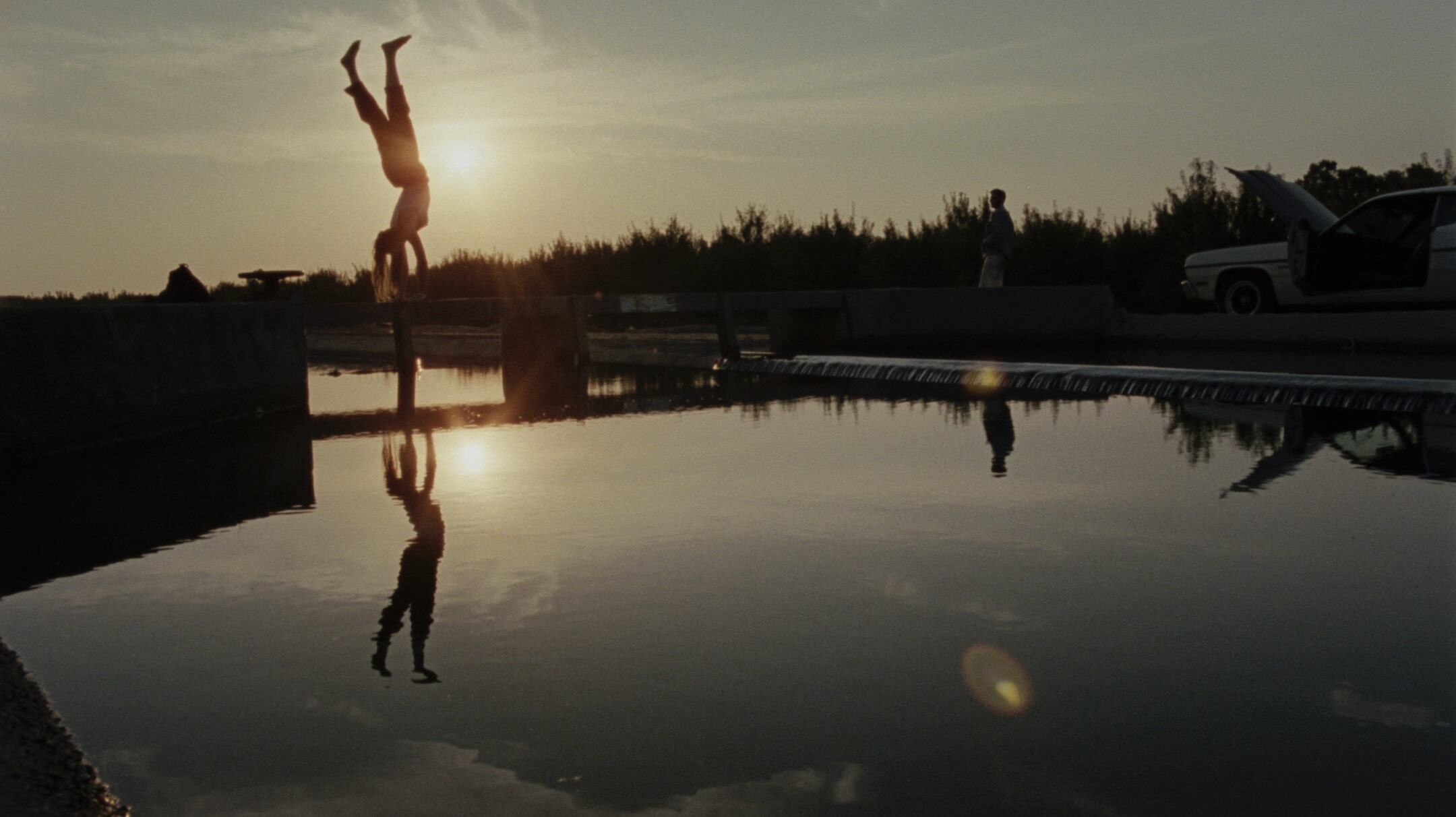
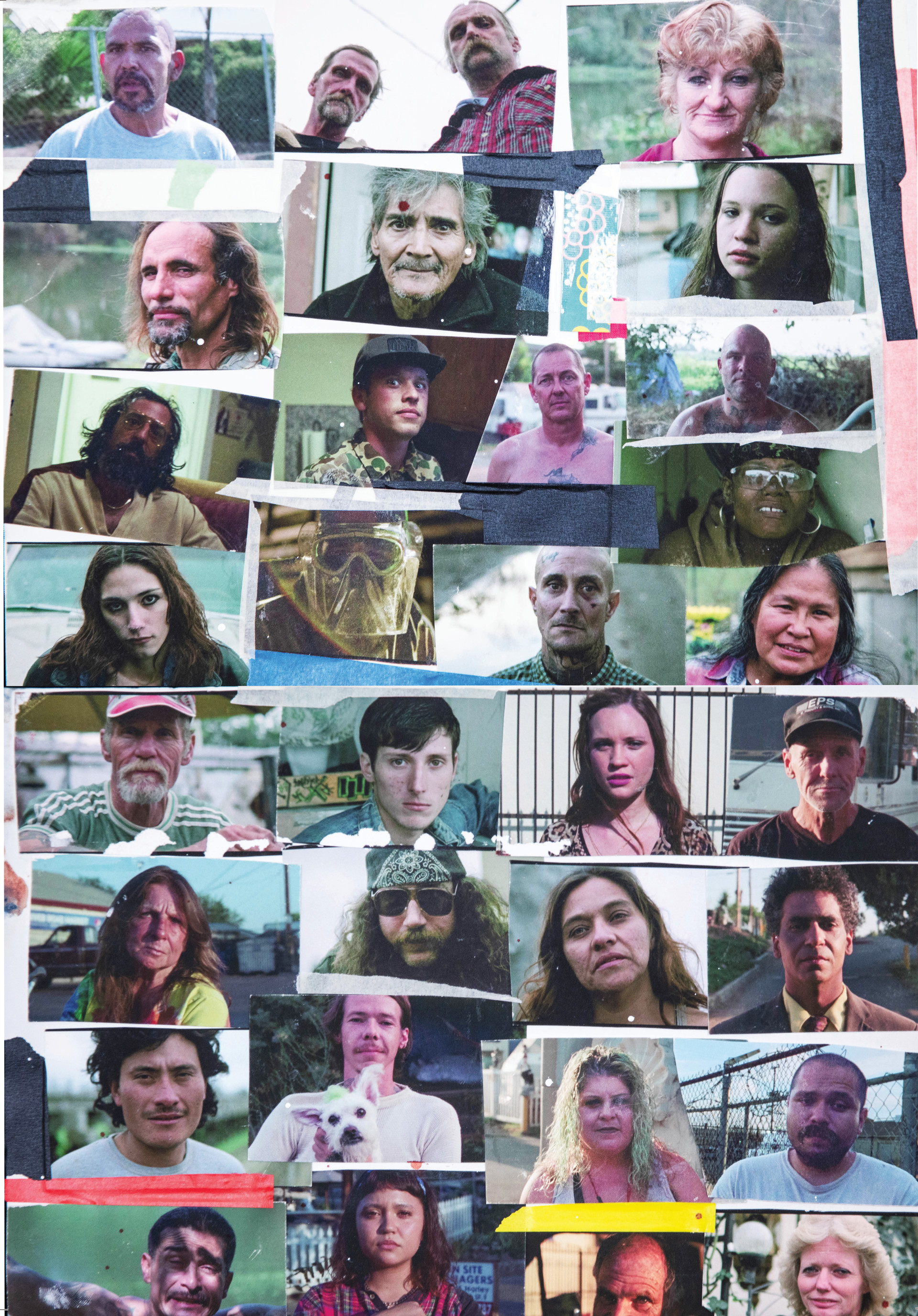
Its director and writer, Rick Charnoski, has been obsessively making art and independent skate films for the last 24 years — but Warm Blood is a whole other type of movie. Ten years in the making, the story revolves around a teenage runaway in Modesto, California in the mid-1980s. Filled with desperate lives and bleak polluted landscapes, the film is visually hypnotic in its scrappy grittiness as envisioned by cinematographer Christopher Blauvelt, and shot on a mix of 16mm, 8mm, and handy cams.
The phrase “labor of love” can be trite and overused, but in the case of Warm Blood it’s an understatement. It is not only a feature film — it is an example of how and why you should do it yourself.
FIGURE IT OUT
SAWA: I really wanted to tell this story of your process because I think people need to hear it. When I first saw your film, and listened to your talk about it after, I was deep in the trenches of editing my documentary. And seeing someone make a movie the way only Rick could, with no rules, was inspiring to me. It didn’t have to make sense. And this film has taken on a life of its own, so we will break down the process, but let’s start with the fact that you probably had to reverse engineer this, or figure it out on your own.
RICK: There’s usually a process to learning how to do something before you do it. School is cool, but I’ve never been good at structure, so the process of getting anything done, for me, is to learn through doing it. That’s the DIY ethos that comes from skateboarding and punk rock. I don’t want to act like I’m the authority, It’s just how I get it done. I also like to share what I’ve learned because I remember how daunting it was for me, looking at the way it was supposed to be done. You just gotta fucking do it because as soon as you’re finished, you can’t believe how different you are. And who cares how “good or successful” it is – the point is, you actually have something to share now and something to say about it because you’ve gone through it.
DEVELOPMENT – BUILDING THE WORLD
SAWA: You had been filming skate videos for decades, but then you started making these weird home movies in Modesto. At what point did you make the decision to turn this into a movie? What brought you to Modesto in the first place?
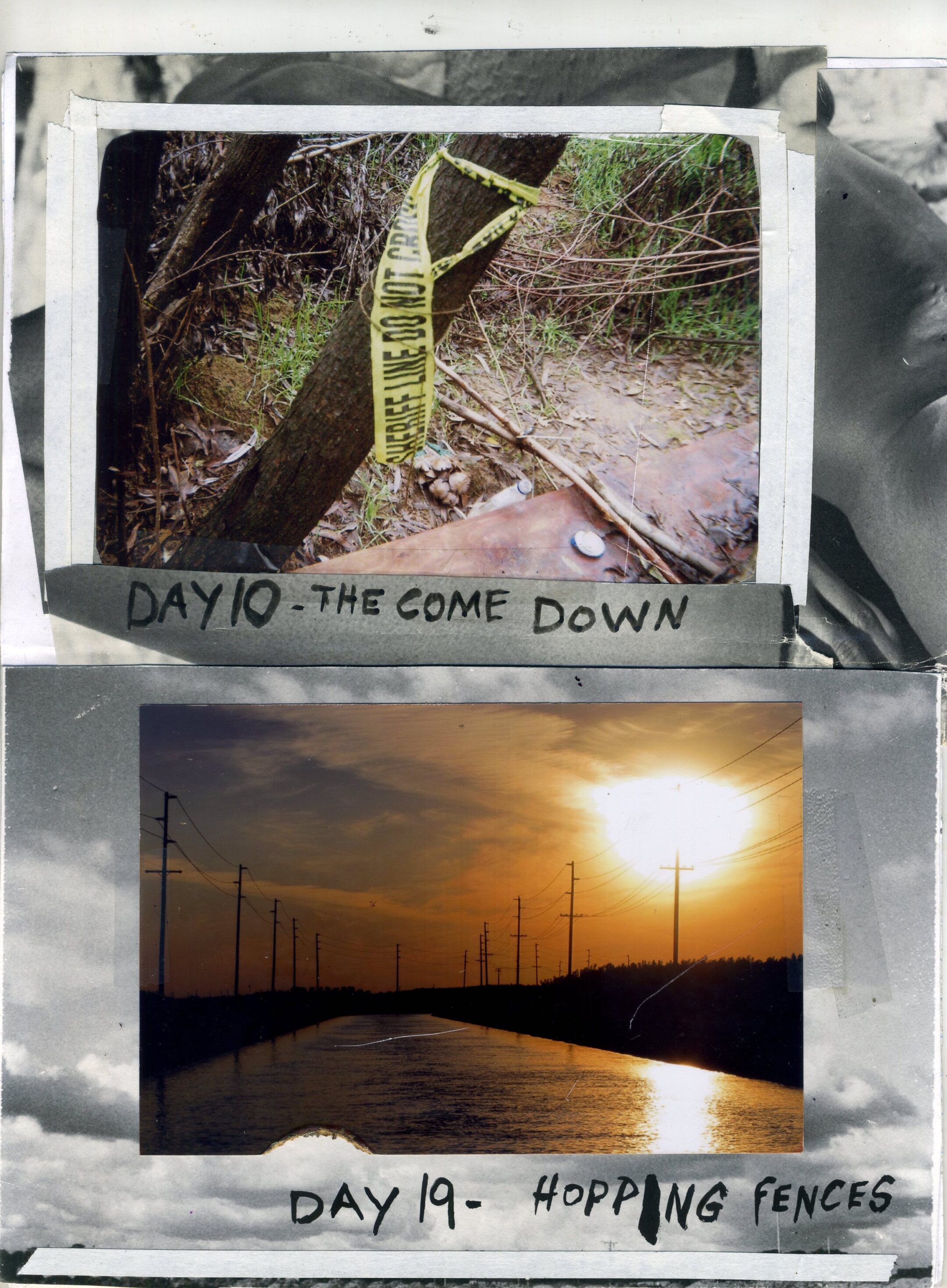
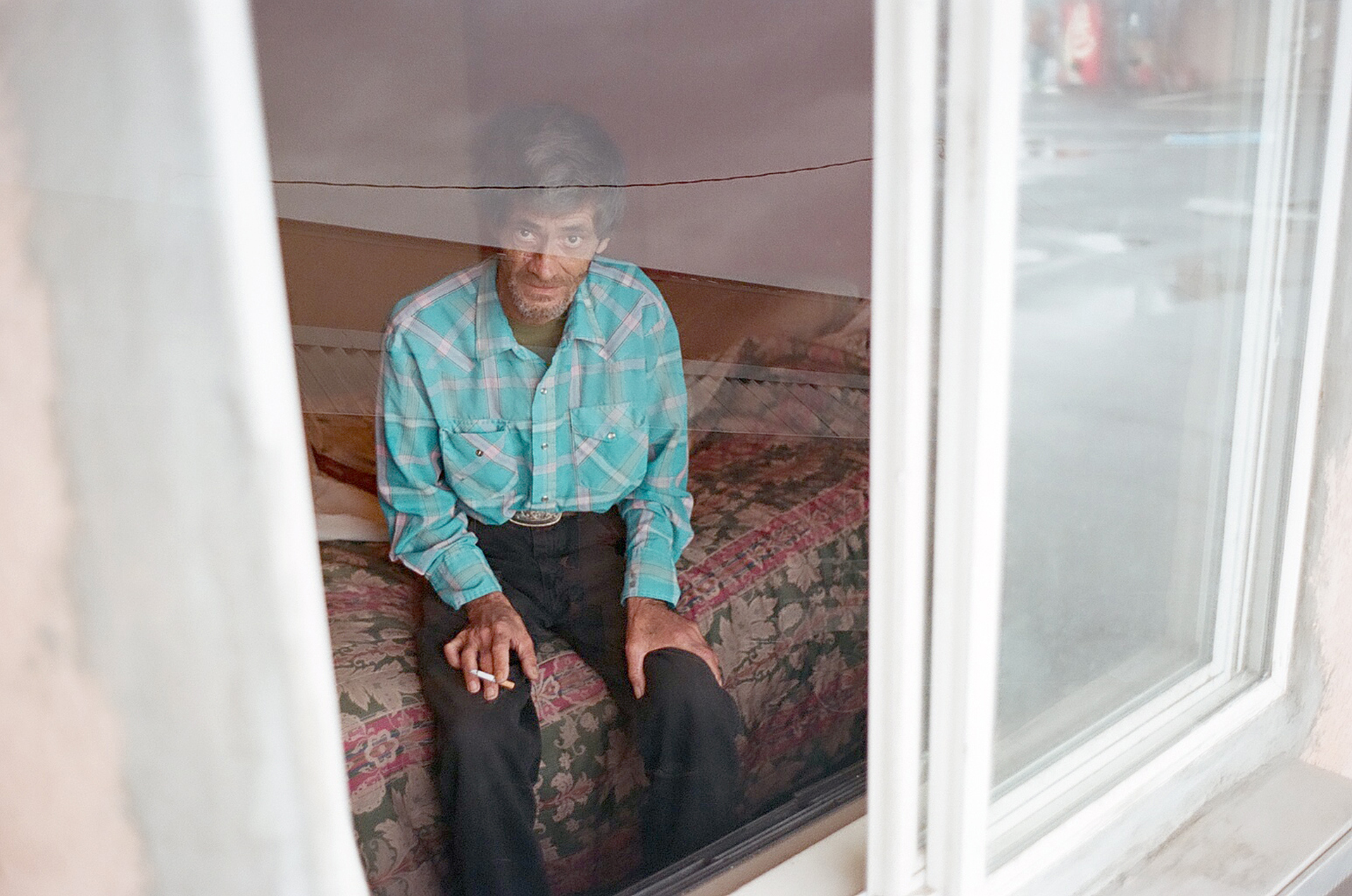
RICK: I was up in San Francisco making a video series with Julien from Anti-Hero called Shore Break Baby and he told me I needed to go meet Andy Roy in Modesto because he knew I was kicking around this idea of making a movie there. So I went to Modesto and I met Andy Roy, this is probably 2010, and right off the bat we got along really well. A week or two later I came back and we shot a video called “Andy Roy’s Skate Camp,” which was amazing because here’s Andy, a toothless ex-con with face tattoos and a foul mouth, teaching little kids how to skate with their parents standing by watching. It was then that I realized that Andy was a really special person and he was also really fun and easy to work with. So I told him I had this idea for making a movie about a runaway teen girl who returns to Modesto… and besides that, I wasn’t too sure what it was about. Andy is pretty much down for anything and he said right away that he was down to help. And that’s how it started. Basically I started making trips to Modesto from LA as often as I could and Andy and I would just skate pools and lurk around town together with a video camera hanging out with and interviewing all of his friends.
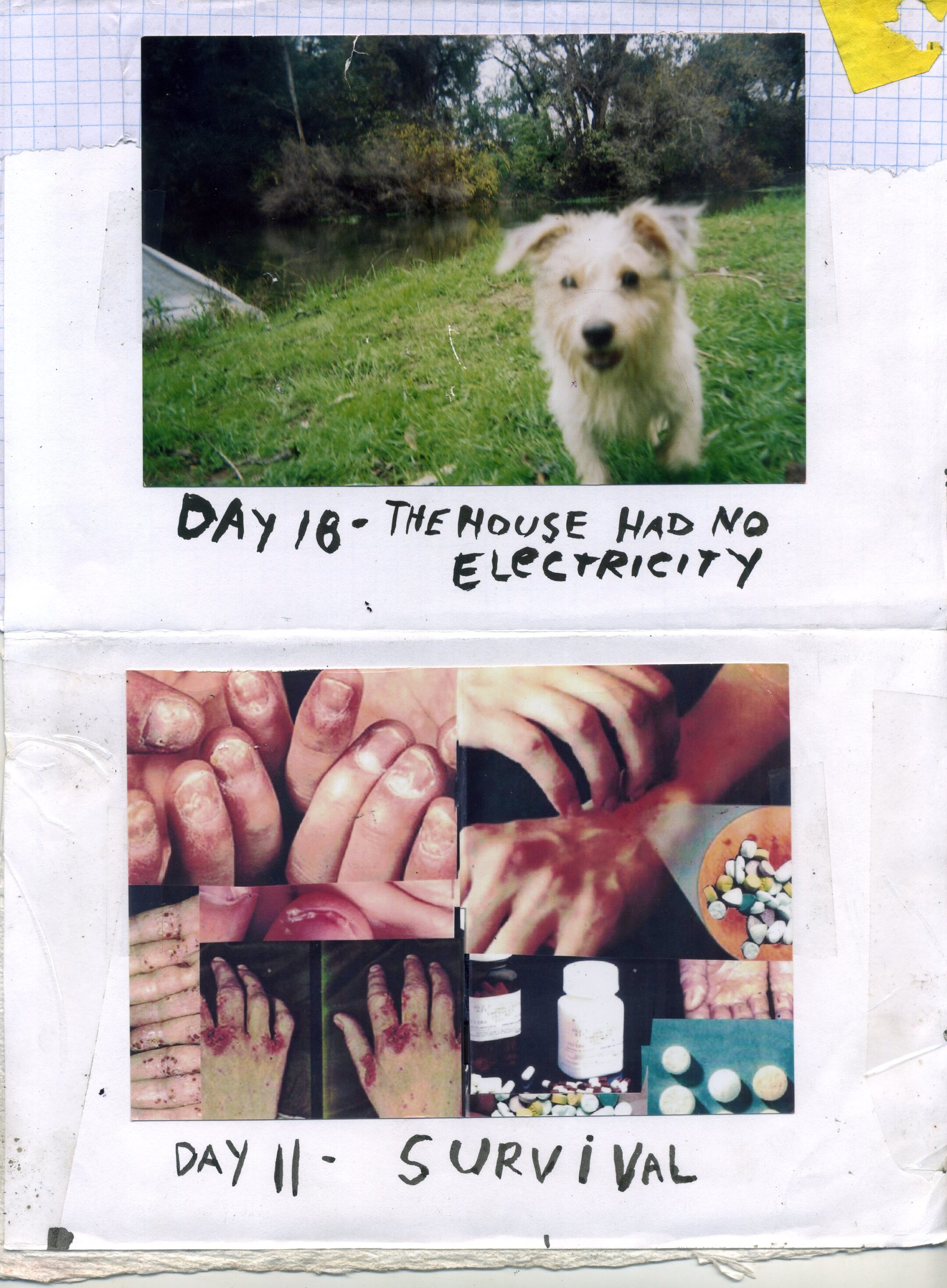
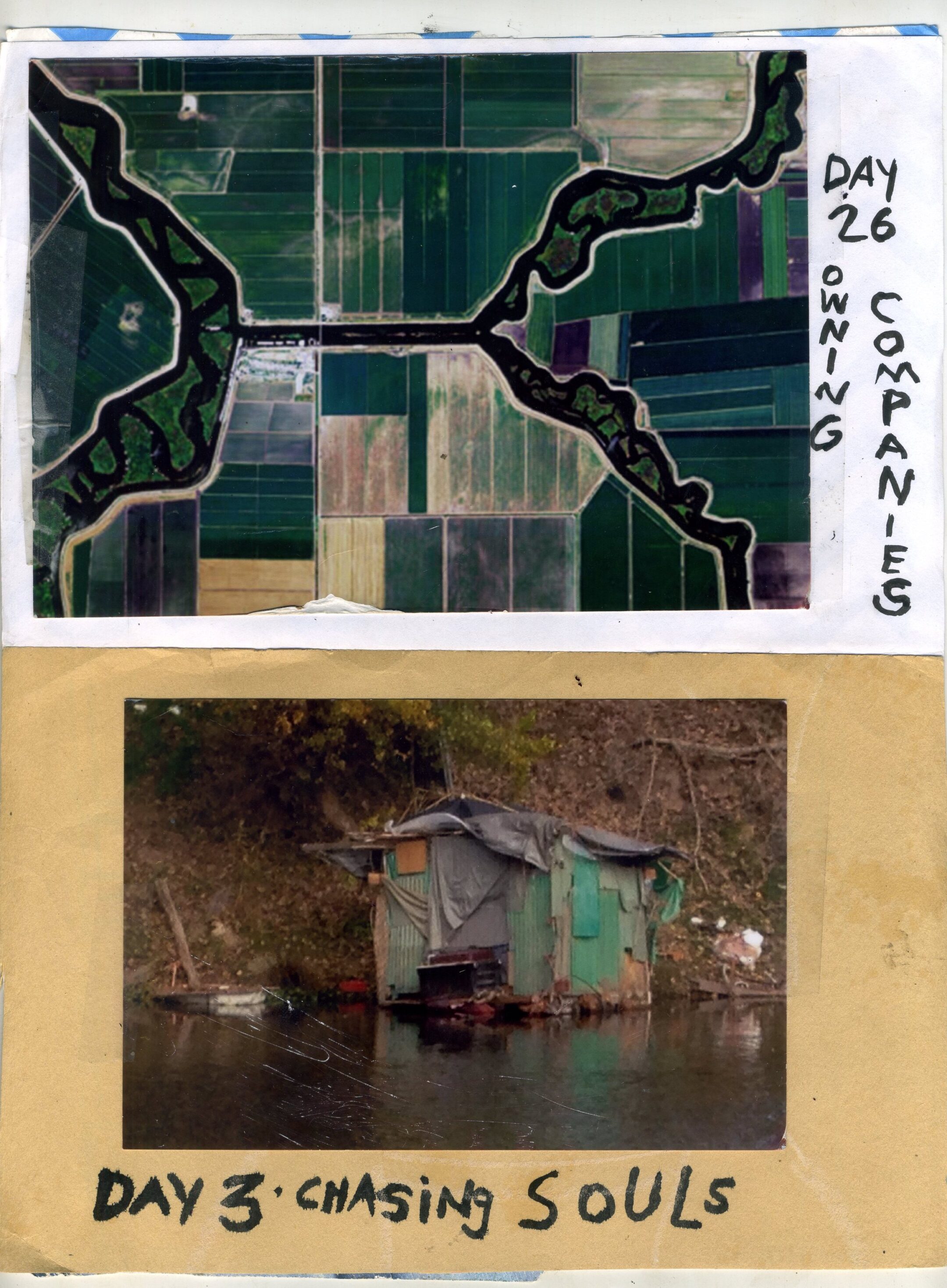
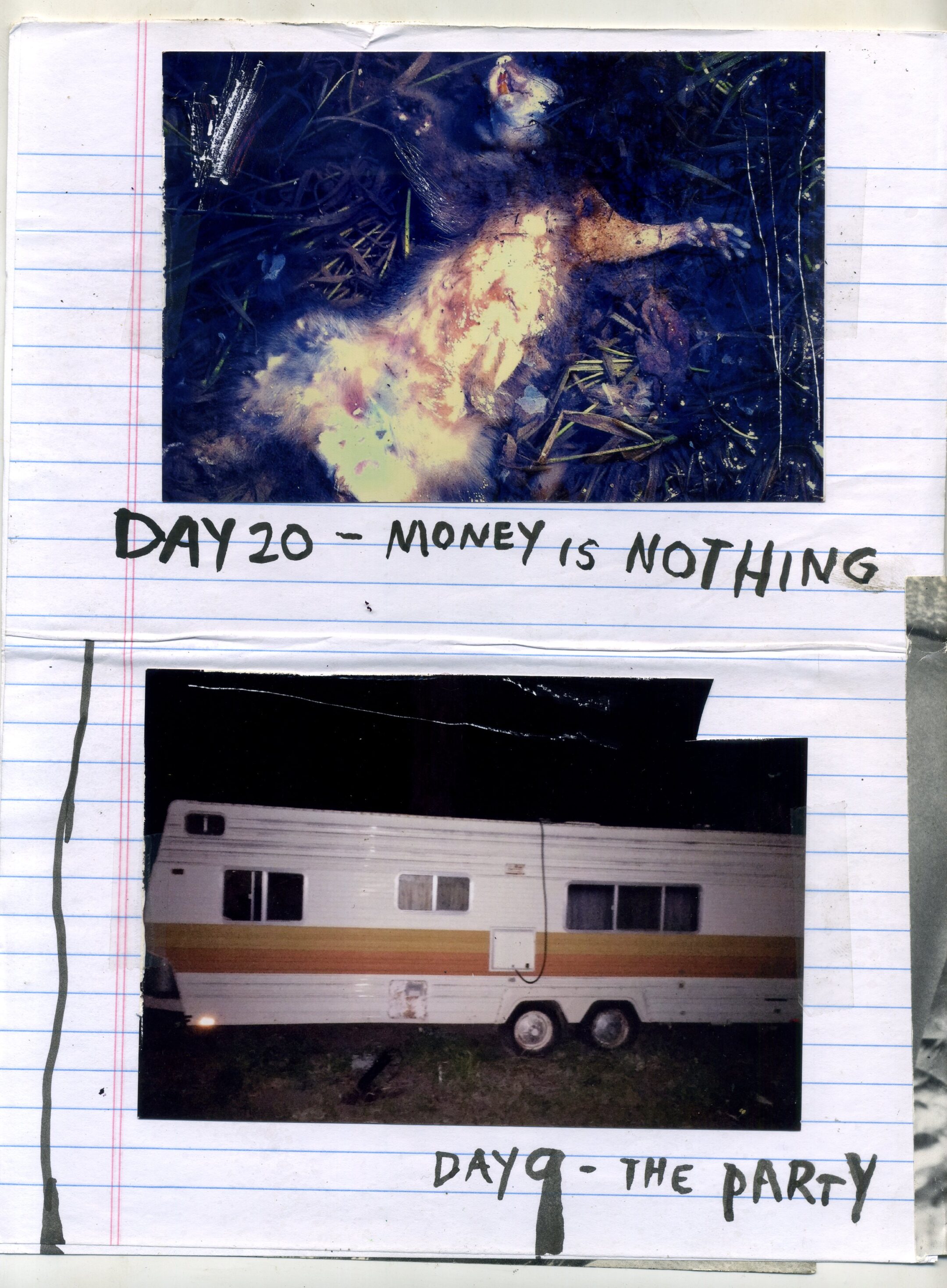
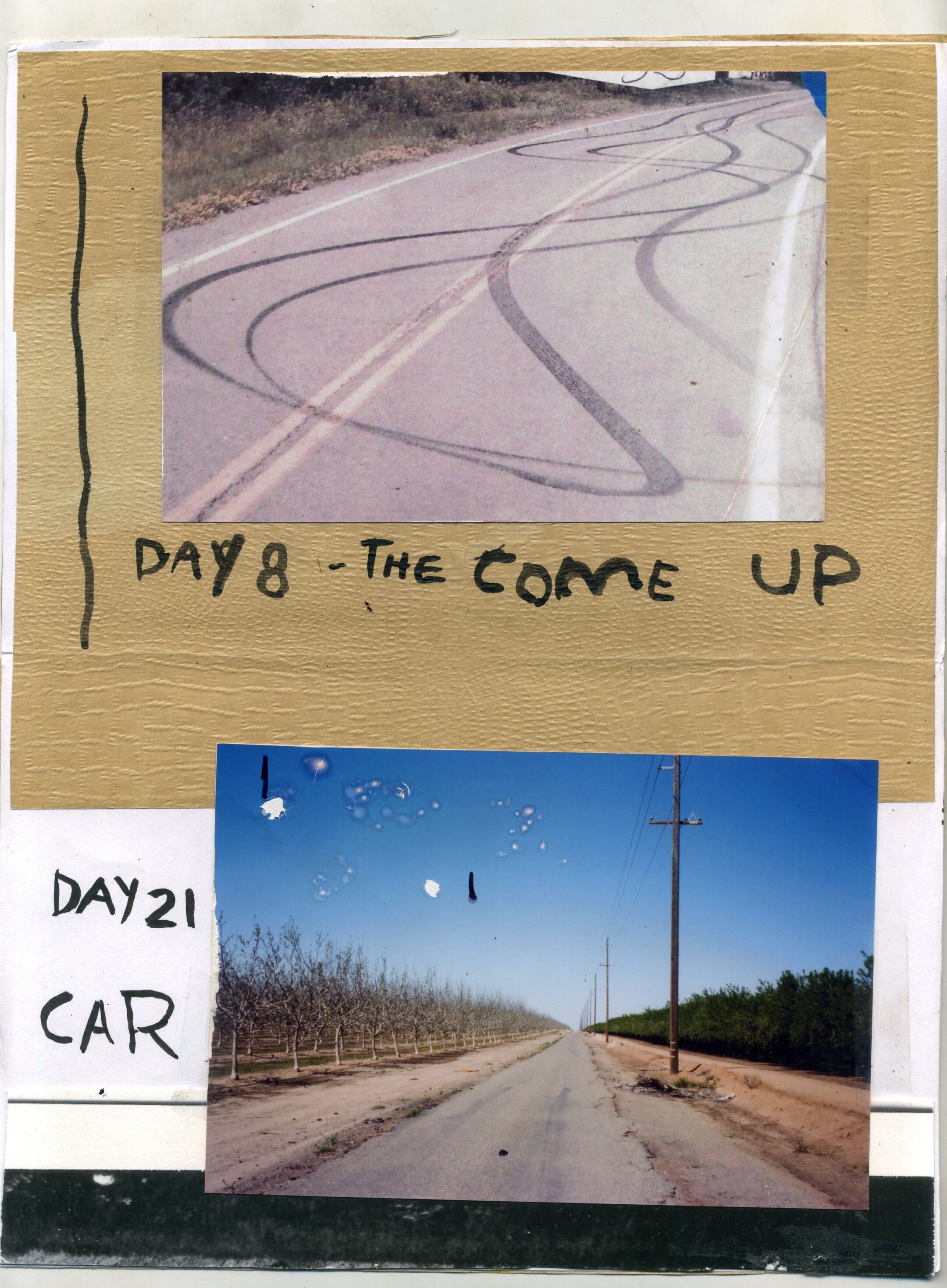
The reason I liked Modesto was because of the contrast that exists there. While Modesto and the surrounding Central Valley is the agricultural capital of America, it is also the place where you will see some of the best episodes of COPS. So there’s this surreal dichotomy of farms that produce the food that we need to live, and this massive population of the “walking dead” existing on top of one another. This is what Andy and I were after — we just went on a tear together. We’d run with Andy’s friends from prison, from the skatepark, from the walnut and almond farms and from the trailer park. There was Cyborg Jack who lived on a blow up raft in the middle of the Stanislaus river because it was safe out there. We met him drying his socks over a fire on the riverbank in the morning.
WRITING – COLLECT YOUR THOUGHTS
SAWA: When you started actual cinematic production, I remember you saying that the film had nine shoot days, but it took 10 years for it to be made.
RICK: The more time I spent with Andy running around Modesto… it was just fascinating. This would be an amazing documentary, right? But I didn’t wanna make another documentary. I wanted to write a story around this.
Andy Roy initially is the reason that I was able to access the cast, the locations and the stories of Warm Blood. He was always asking: “What do you want next? Do you wanna go somewhere else? Hey, I know this tweaker, he has one eyeball and his family lives in a doghouse.” We would show up at people’s houses and knock on the door – “Hey Joey, what’s up? Hey, this is my skater friend who makes skate films, but now he’s making a movie about Modesto and he’s just trying to meet people and interview ’em and talk to ’em… Would you be down?” And they’d almost always say yes and sometimes they would invite us in and we’d sit down and talk with them on camera.
That went on forever until eventually I started to write a script with my friends from Australia, Amiel and James. Meanwhile, this whole time I’m working on skate videos back in LA as a job, but Modesto was my after hours project and my weekend project. This went on for years. I honestly don’t recommend that anybody spend this much time on anything.
SAWA: Once you know you’re meant to make something, when it’s all you can think about, at that point you are just guided by blind forces.
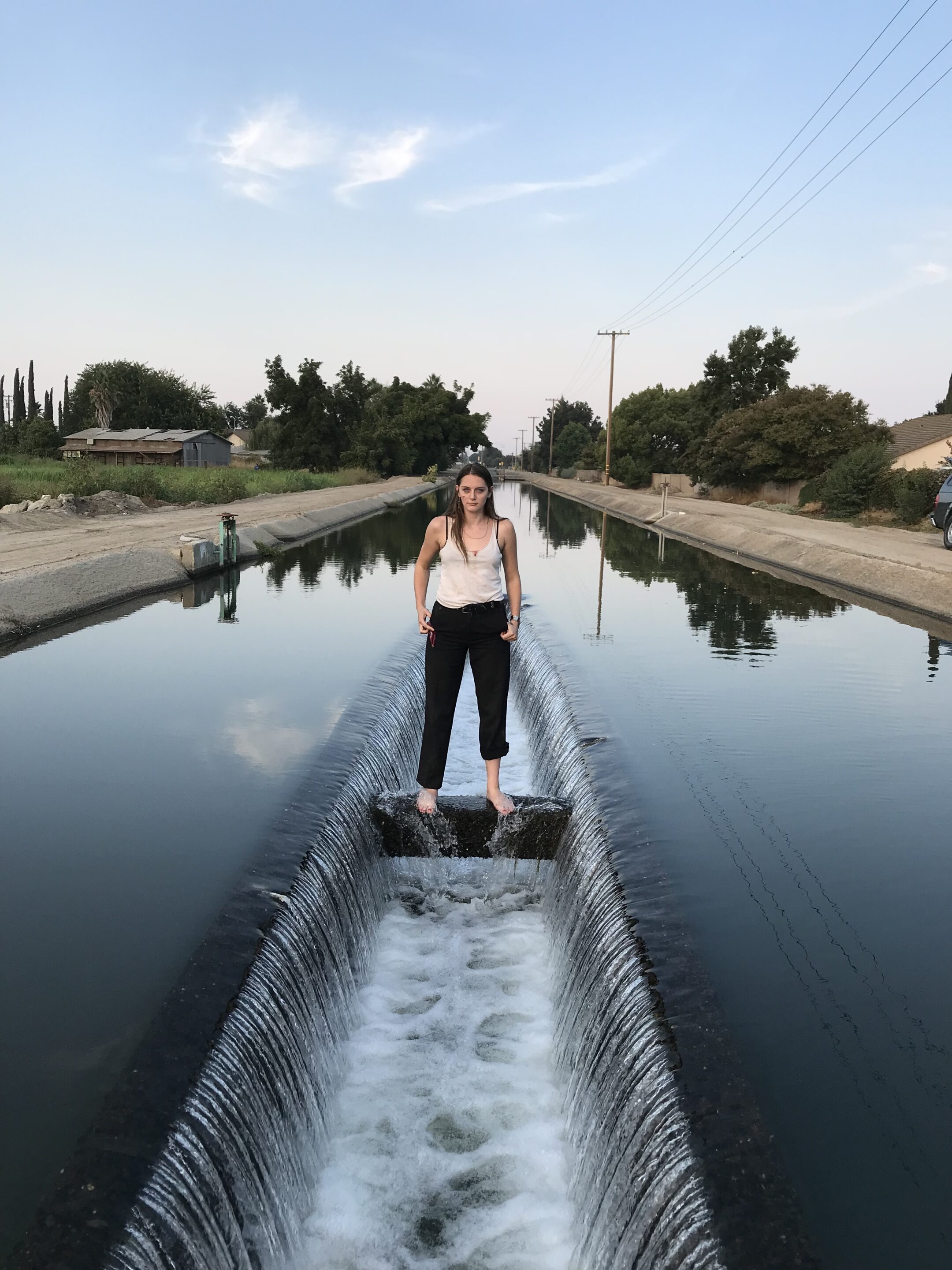
RICK: Yes. Eventually it just became a lifestyle. This is what I’m doing this weekend. This is what I’m doing tomorrow. This is what I’m doing in my spare time. Whatever I collected on the last trip, I’d come back and dump it into the computer and start putting edits together with music and suddenly this thing started to form. I didn’t know what it was yet, but I started to make these videos and it started to become something.Sometimes I would invite my friend Selena Spurgeon to come up and act as my stand-in for my future actress and she was so incredibly helpful in so many ways. I’d invite photographer friends to come along and shoot photos and trip out on the scene. Brendan Klein, Chris Shonting, Amiel, my co-writer and Tobin Yelland all came out and kicked in.
Eventually it started to write itself. This idea I had was forming week after week of going up there. I, along with my friends and co-writers, was beginning to come up with some idea of a timeless, weird, post-apocalyptic science fiction world of people living under bridges and next to rivers that have been infected or polluted by some sort of… I don’t know what. It just kept getting weirder. And to be honest with you, even now that the film is completely finished, I’m still not sure what it’s about.
My writing partners Amiel and James helped me get out of the documentary space and work it into a kind of science fiction story. And then that idea started to build, and now we’re just gonna turn up the dial on the abstract-o-meter and write a script based on all of this research.
GET MONEY
SAWA: In the beginning you were doing a lot of grassroots fundraising, like having art shows and printing posters and shirts and using that money to help fund the shoot. Is that the next step?
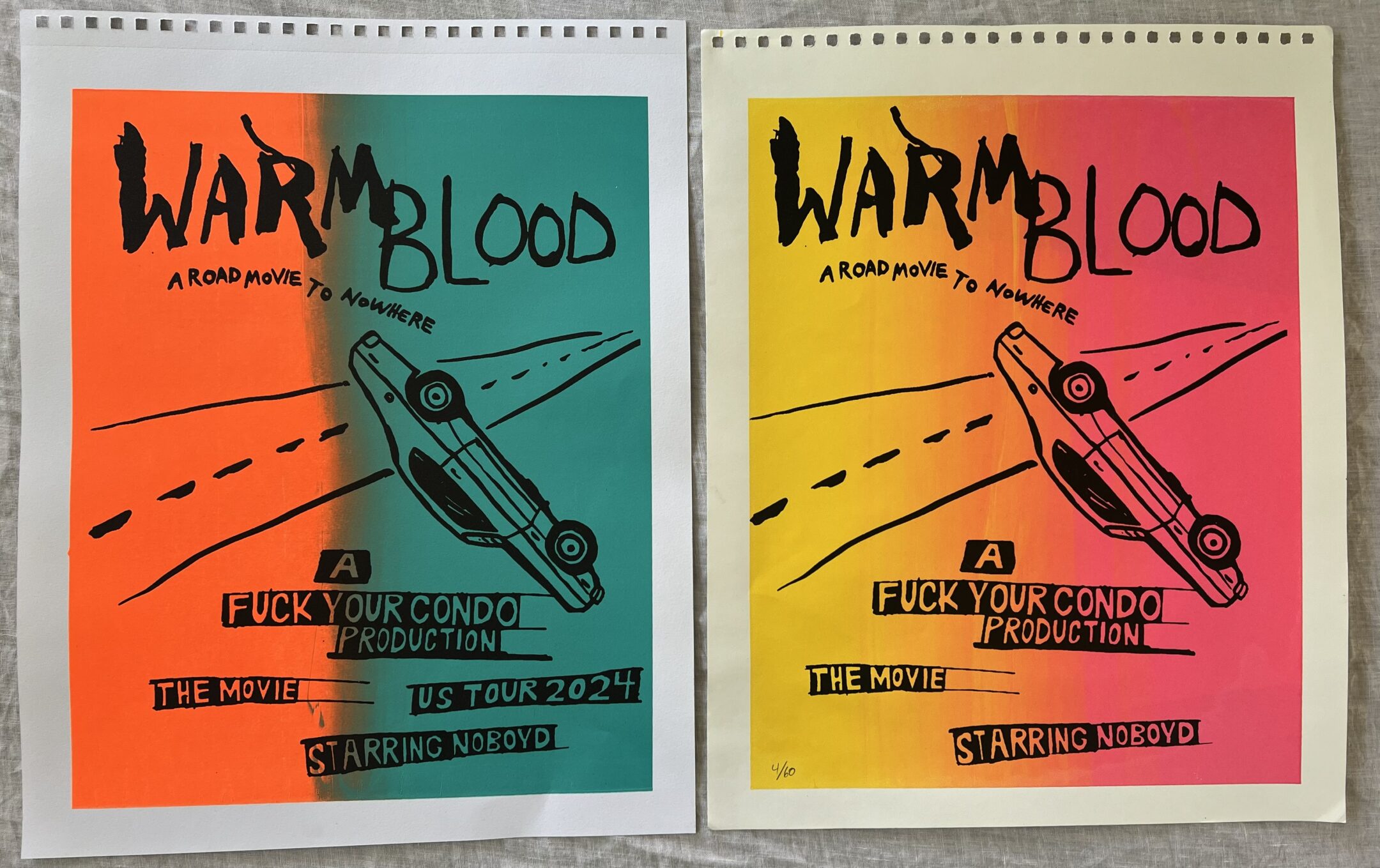
RICK: It was back to the roots. How are we gonna buy film and how are we gonna pay the crew? Well, we’re gonna have a big art show with friends who contributed their art and people are gonna show up and buy the artwork and we’re gonna use that money to buy gas and film and hotel rooms. So now we’re talking about something that’s becoming more than just a movie, we’re creating a whole scene. We’re taking an idea and giving a whole community of people a part of it.
The movie is now just one small part of the bigger idea. Now there’s a conversation to have, and people want to be involved, and we are building a world around this. As cool as this sounds though, it’s really hard to keep the momentum going. There’s a lot of downtime and moments of, “What the fuck and why the fuck am I doing this?” I mean, it took 10 years, right? It was really super fun most of the time, but if you wanna keep making films, I don’t recommend this process.
COMMUNITY – IT TAKES A VILLAGE
SAWA: It became a whole community, and so many people took ownership of this film.
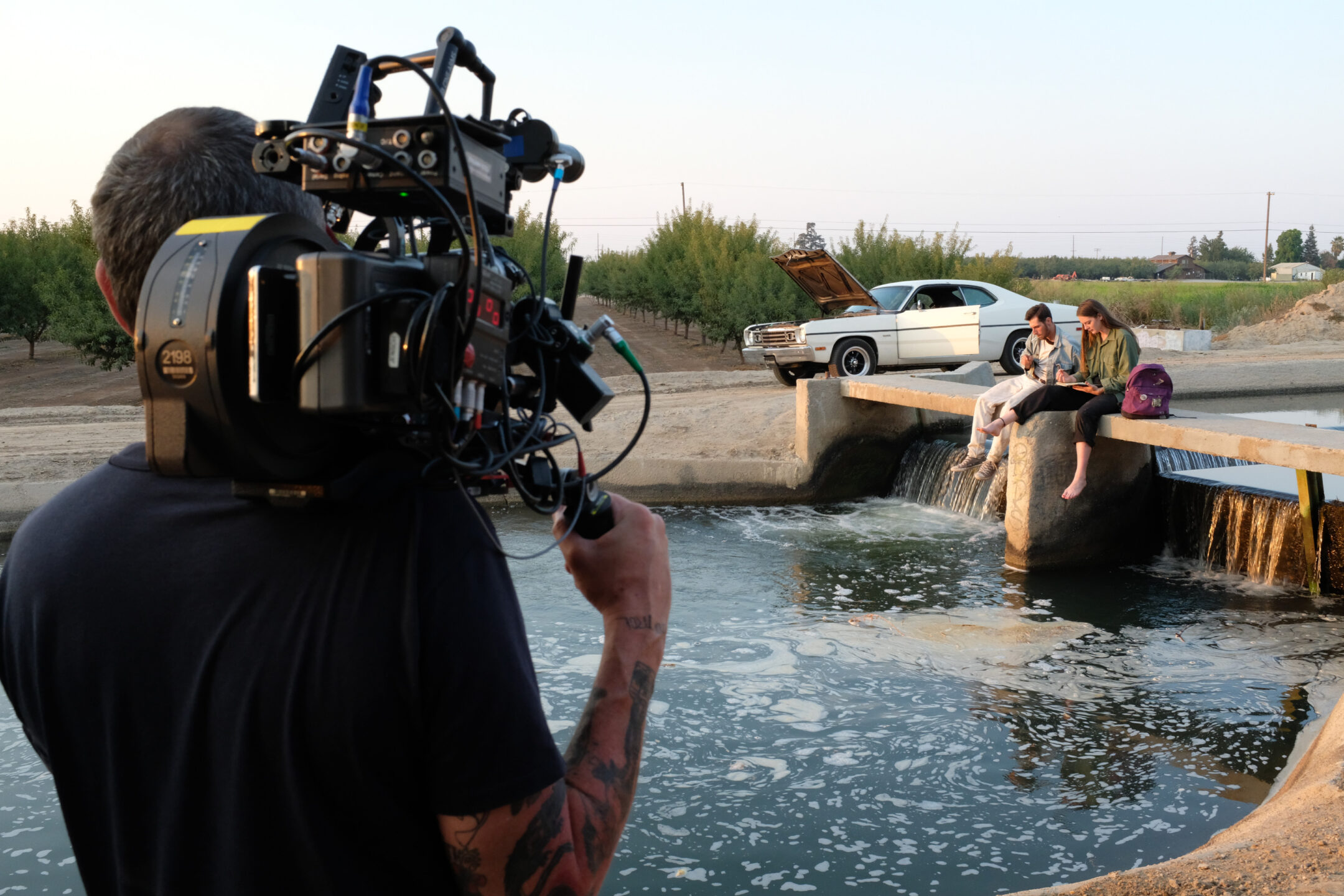
RICK: It worked because we had a real dedicated team of people that stuck with it. I needed these people and their commitment because I wanted to make something bigger than just another low-budget documentary, or DIY skate film. I wanted to shoot 16mm film and I wanted lights and I wanted sound and I wanted a truck full of gear and makeup and wardrobe. I wanted to make a real movie, like the ones you see the pros shooting in the streets of Hollywood.
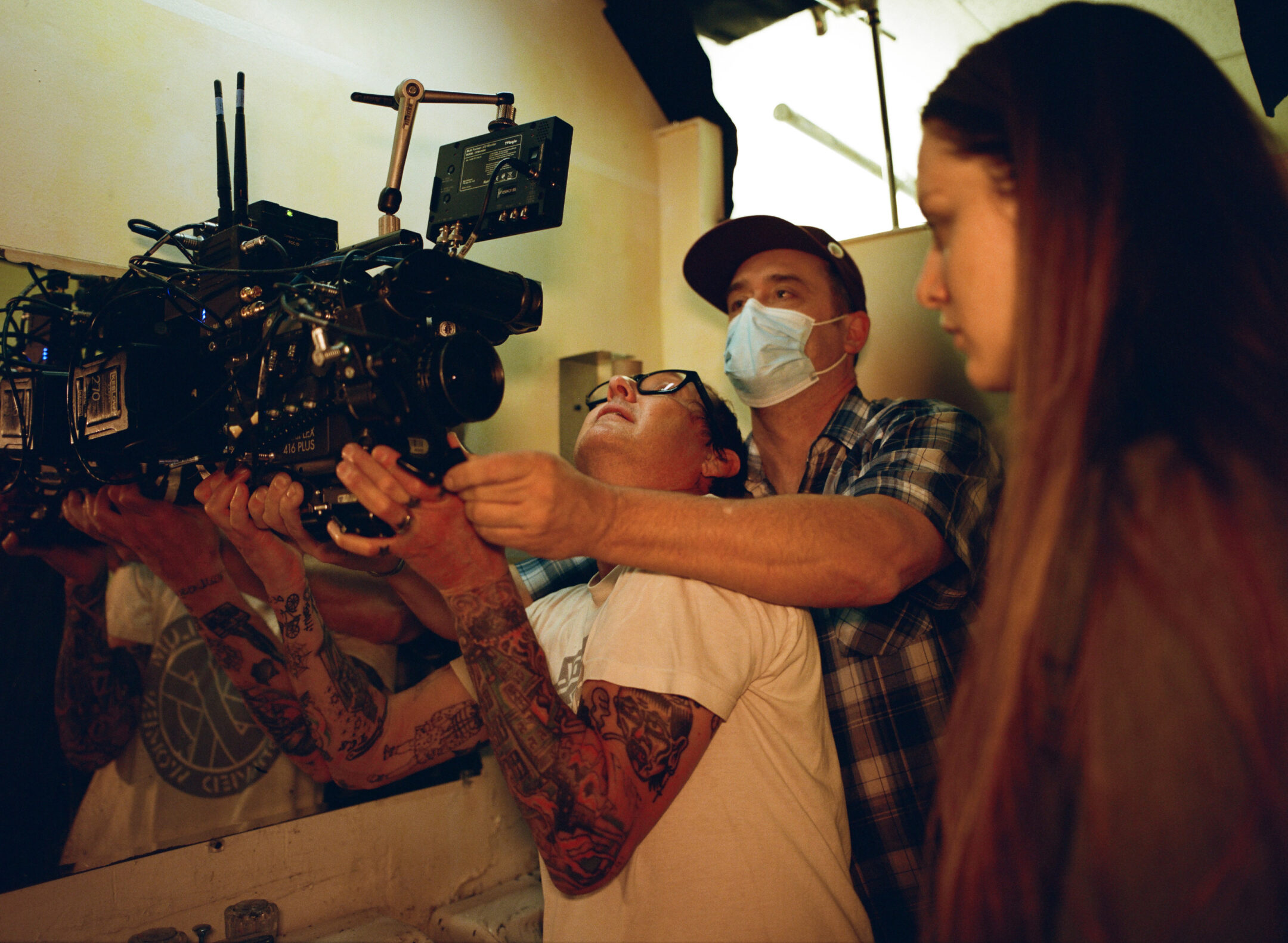
Enter my good friend Chris Blauvelt. He’s generations deep in this world of making Hollywood feature films and he really helped inform me on how to do this. At first I couldn’t understand why I needed 25 to 30 people on set standing by, and why I needed to let go and not be in control of everything and everyone on set. It kind of freaked me out when that started to become a reality and I tried to pull back, but Blauvelt kept reminding me that this is what it takes to make it happen. He kept pushing me to up my game: “Do you want to go from making skate videos into feature filmmaking? This is how you have to do it.”
So through this process of pushing back and forth we learned together how to do what he wanted, but in the most radical, stripped down way we possibly could. We began developing our style and pulling favors from everywhere and everyone. And people showed up. We built a team.
“I was just on a death spiral. Making stuff now is a product of me deciding to be alive”
What did you figure out?
It was probably the thing that made it so that I had to get sober. ‘Cause I just couldn’t live the way I was living for very long, and that wasn’t a one-moment realization. It took a long time. I wasn’t really making stuff when I wasn’t sober, I was just on a death spiral. Making stuff now is a product of me deciding to be alive.
Extremely profound words. What brought you back, from that moment of inexplicable darkness, to the decision of “wanting” to be “alive”?
As an adult, drugs and alcohol helped me fill the void that I was filling with sketching when I was a kid. I’m able to use that void more productively now. I fill the void with work and busyness. It’s just something about my psyche. I can’t stop planning and working.
I don’t know the full evolution of your work, but I know that it wasn’t always horses.
My work is the preoccupations that I have. I take those seriously. The first thing that people really cared about were the mountain paintings of Mount Wilson. I started making these paintings, sort of like a game of telephone. The last painting that I made would influence the next painting that I made. And then that painting would influence the next one. I would just let little things come in, like the Velazquez paintings, the old Spanish Golden Age stuff. I would put that into the mountain. And then working with the horses was another preoccupation. So I started painting them. That’s become a long series. I don’t know what makes certain preoccupations more important than other ones. Like, I think about my dogs a lot, but I don’t paint my dogs.
Do you see something about yourself in the horses that you ride and work with?
I think that when you sit on a horse, you have to want to be riding that horse. You have to, in one sense or another, love the horse. You might not love the way it’s acting or what it’s doing, how it’s behaving. But you have to be able to think like, I want to be on this horse. I want to work with this horse. And so, I do think that my own wildness lets me relate to those kinds of horses.
And when you say, “those kinds of horses,” what do you mean?
People don’t want me to ride their nice-finished, well-behaved horses. The type of horse that people offer me to ride is one that’s a little bit misbehaving, a little bit wild. These are adult horses that are difficult to ride. Bucking, or either don’t want to go, or wanna go too fast.
I relate to them. Having been a bit of a problem person and having come out of it, knowing that that’s possible. I can see that I’m the good horse that’s underneath that bad behavior. It’s like the horse that I have is, in some way, sort of just like me. You know?
What’s the reality behind your “artistic process”?
I sort of had these experiences with paintings throughout my life where they made my life better, in hard-to-describe ways. Just seeing them or having them around. A painting has this ability to be this weird little handmade thing with a strong influence on the room. I became really attached to that kind of an object.
What mediums do you use in your technical process?
So they’re pretty much all oil paintings, oil on linen. I’m really good at gessoing, which is how you prepare the surface. I’m quite proud of my gesso technique. I paint in a lot of layers. I’m a brush painter. I work with these crude hog bristle brushes, and I’m not very good at cleaning them. I try to keep stuff more or less clean. The paintings themselves end up being more about the painted surface than about the content. I’m always just working and evaluating and then deciding whether or not to destroy the thing.
I’ve seen you just sit in your studio and stare at the paintings sometimes.
Right. If I was to be painting that whole time, for one thing I’d be broke, and for another, I would have a ton of crappy art. I’ve learned to pace myself and not paint when I come in here. I’ll sit and look, or take a nap, or just be in the room with the stuff. I try to get a feel for the painting.
Is there any sort of mental therapy or spirituality to your work?
Part of the thing with horses, and with art, is that you can’t avoid a creator God idea – but a spiritual connection. There’s no way to do it without accepting that. I always try to avoid mentioning the issue of God, or belief in God. ‘Cause I feel like people have so much baggage with it. But that’s part of the spirituality that I was talking about – just not wanting to freak people out with “God talk”, because it’s part of the thing with horses, and with art, I think you can’t avoid a spiritual connection.
Share