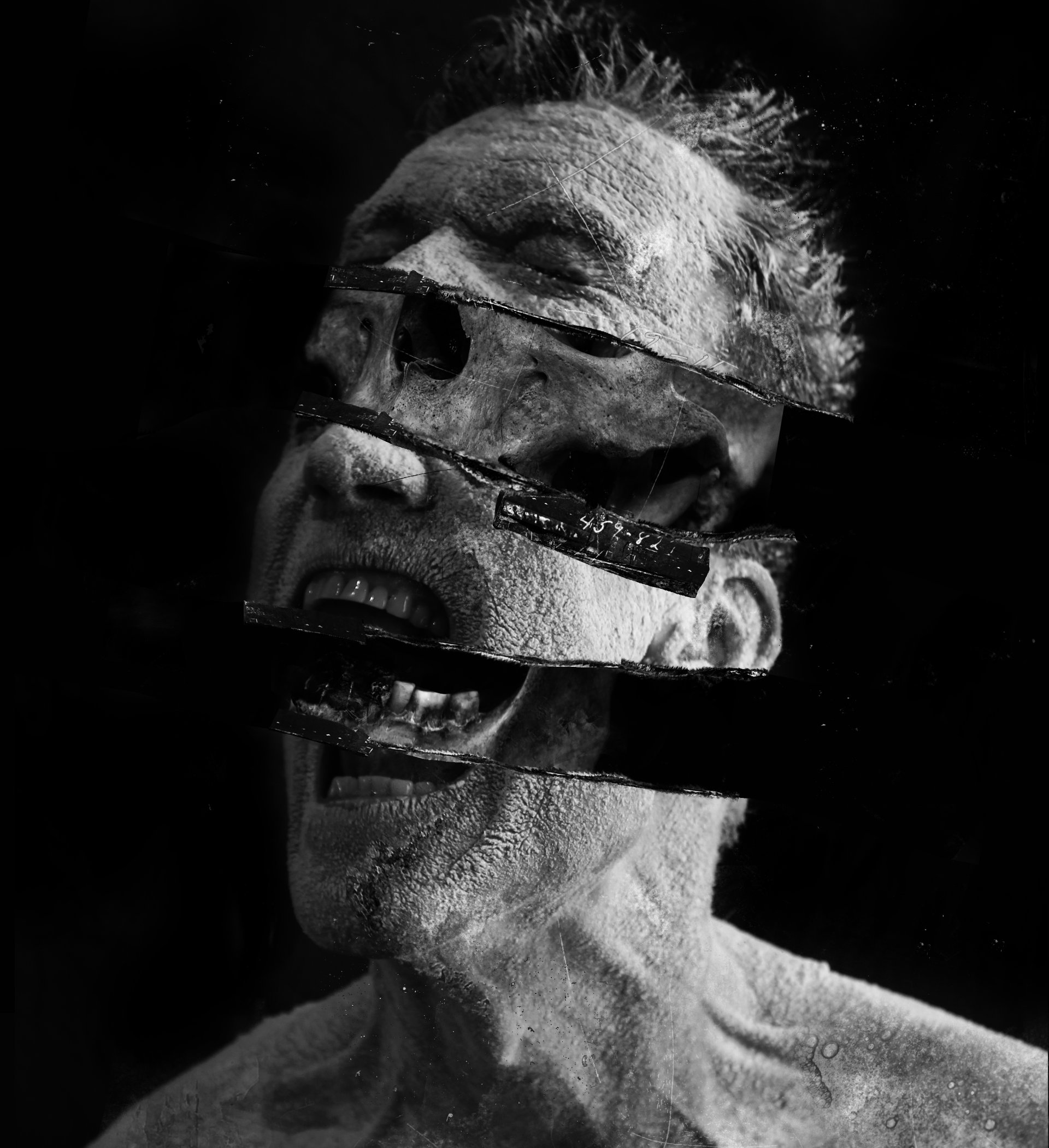
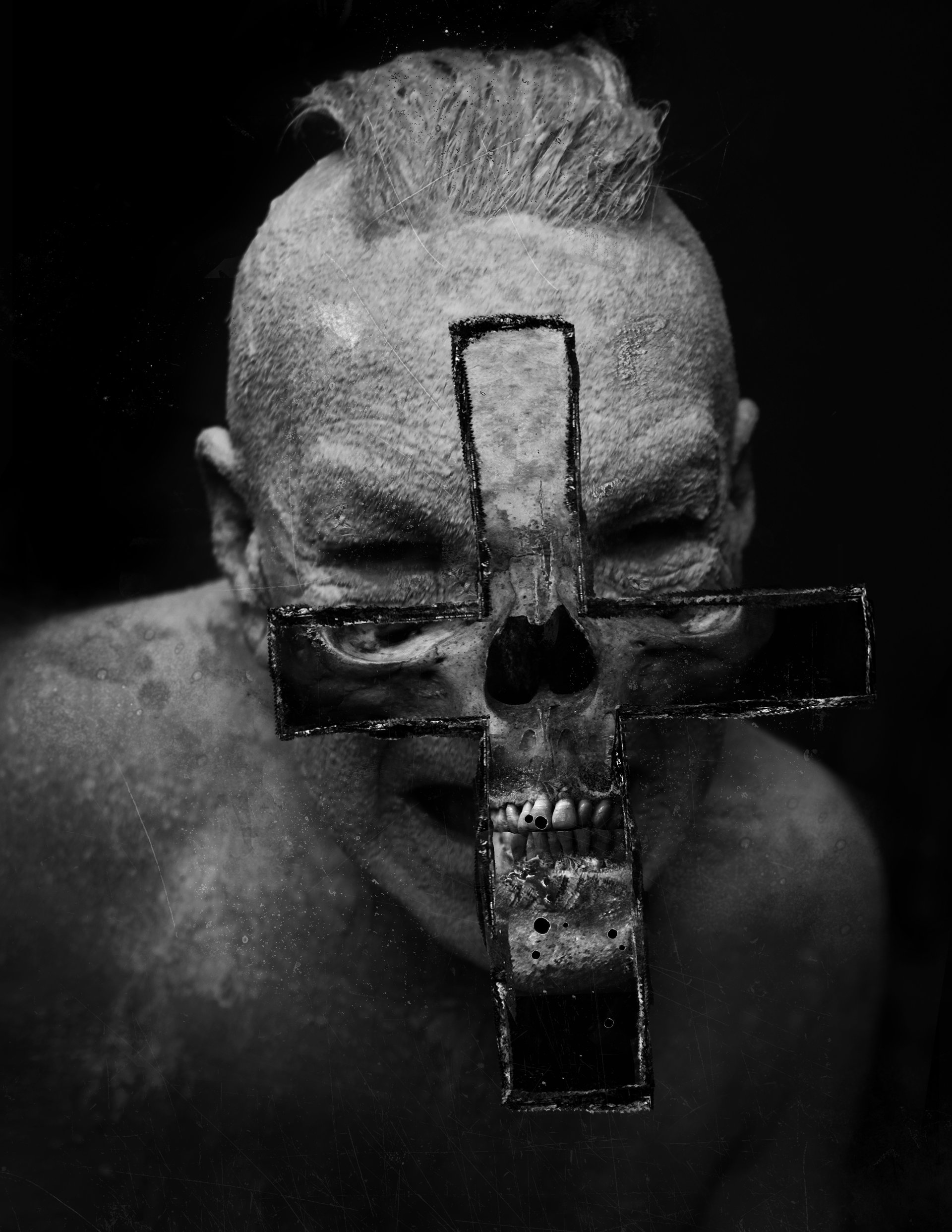
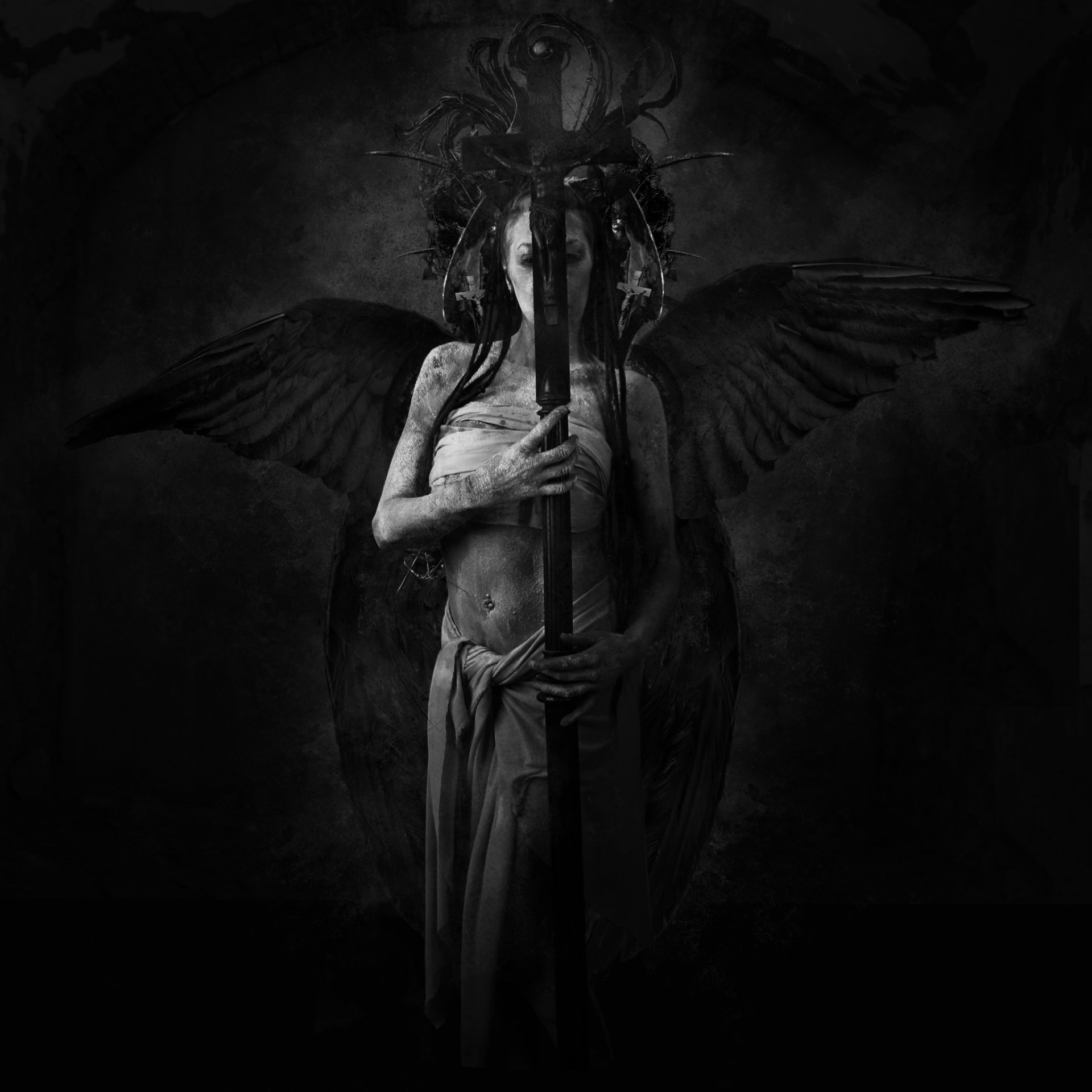
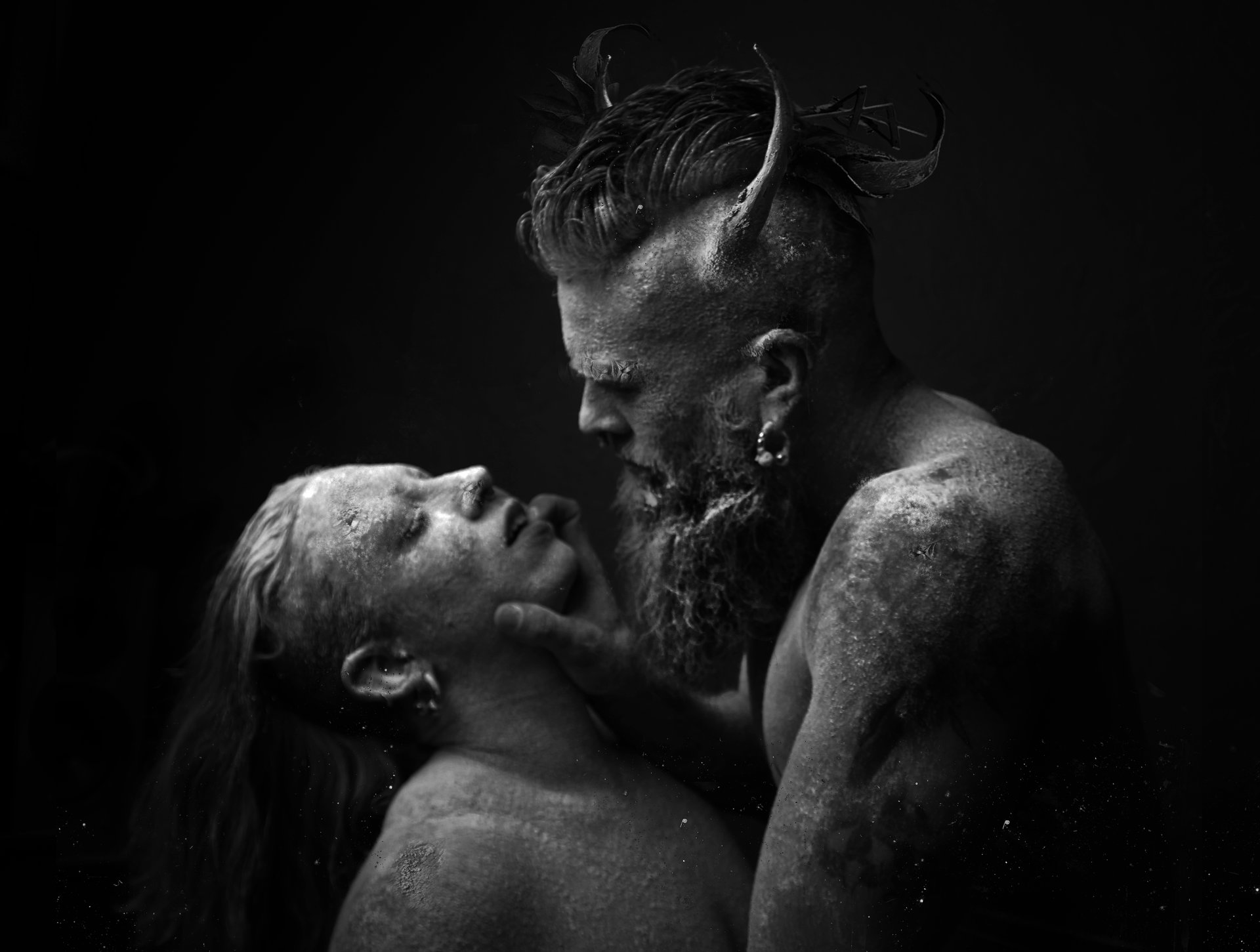
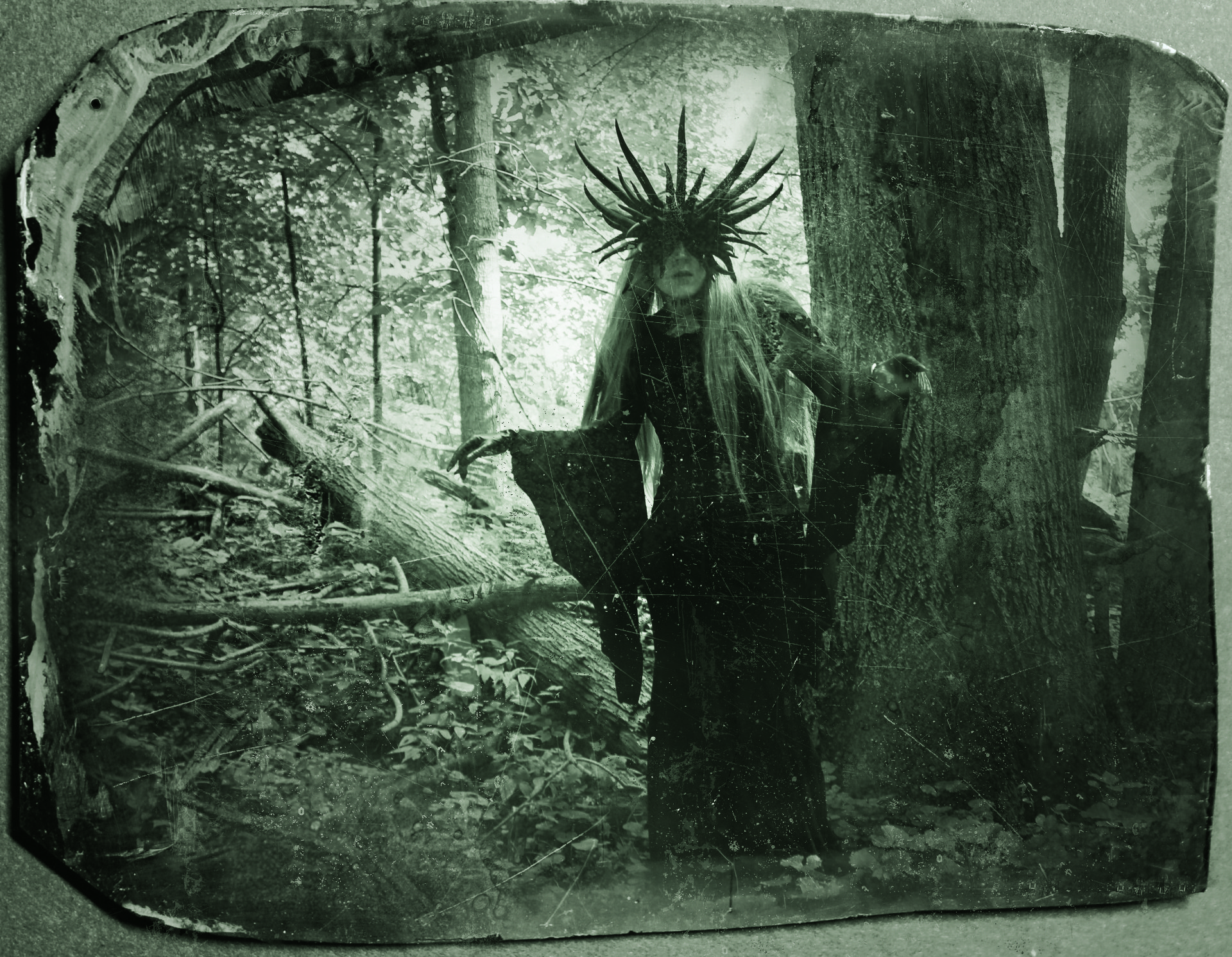
Your art is often described as a reflection of the “darkest side of human nature.” What draws you to these extreme themes, and do you believe your art serves as a form of catharsis for you or the viewer? I am aware of the reason why you did the dementia series — my mother has late stage Alzheimers so I am familiar with it — but I want to hear you talk more about that, and how you balance creating aesthetically compelling art while dealing with such difficult subject matter.
I have always been attracted to extremes in all forms. I believe this inevitably leaks out of my subconscious and is reborn in my imagery like some sort of dark spiritual voice looking for a doorway to sail through.
Yes, my father was diagnosed with dementia and eventually died from complications from the disease back in 2014. This series has been a reflection of everything I went through emotionally as I watched his decline and after his passing.
The dark art genre sometimes exists outside of the mainstream art world. Has the intense and provocative nature of your work created any unique challenges for you in seeking gallery representation?
I never really consider sales or gallery representation when creating work. I truly believe artists create because they have to, not because they want to. The more honest the work is, the more pure the creation.
You started as a photographer before moving into digital manipulation. What new creative freedoms did digital tools give you, and how has this evolved your artistic vision?
I started experimenting with photography about twenty-seven years ago. I had just quit playing guitar in bands and was looking for a new creative outlet. I began as a photographer but the digital field seemed an inevitable progression for me. I envisioned so much more for the photographs I captured and found working digitally a perfect fit for what I needed to do to get the image to its final resting place.
You’ve had exhibitions in major cities like Berlin, Paris, and Rome. What has it been like to exhibit your work internationally, and how have different audiences responded to your art?
To show my work around the world has truly been beyond what I ever dreamed was possible. I find the response internationally to be pretty similar especially to the dementia series. Mental health and illness is an experience that crosses over cultures and languages. Also, not just with dementia, I get messages from those with other illnesses that connect with the work. They thank me for putting their experience into a visual form.
Creatively and commercially, how has the proliferation of AI art impacted your career? How do you protect your style from AI users utilizing your works for their own commercialization?
I try not to focus too much on what is happening in the world on AI. While this is not something I support, I have no ability to change its growth or evolution. I continue to create what I want and not what I believe others want to see. I have seen some impact on my numbers on social media platforms but I am currently not doing anything to protect my style from use in AI. I want my imagery to continue to be widely available for people to see online.
What is a common misconception you’ve encountered about your work that you would like to address?
Probably just the fact that the images from the dementia series are not in fact depictions of people with dementia. I have received some negative reactions to the series from people that don’t understand the intention or inspiration behind these pieces. These works are not meant to exploit those with the disease but a visual representation of my emotions and nothing more.
How does your environment influence your art?
I surround myself with creative individuals. Whether that means talking with a good friend about a film or watching someone perform live. Inspiration is the life blood, sometimes it rears its head in the most unlikely places.
What upcoming projects or exhibitions are you currently working on?
I am currently working on details to show my work later this year in Rome and New York City next spring.